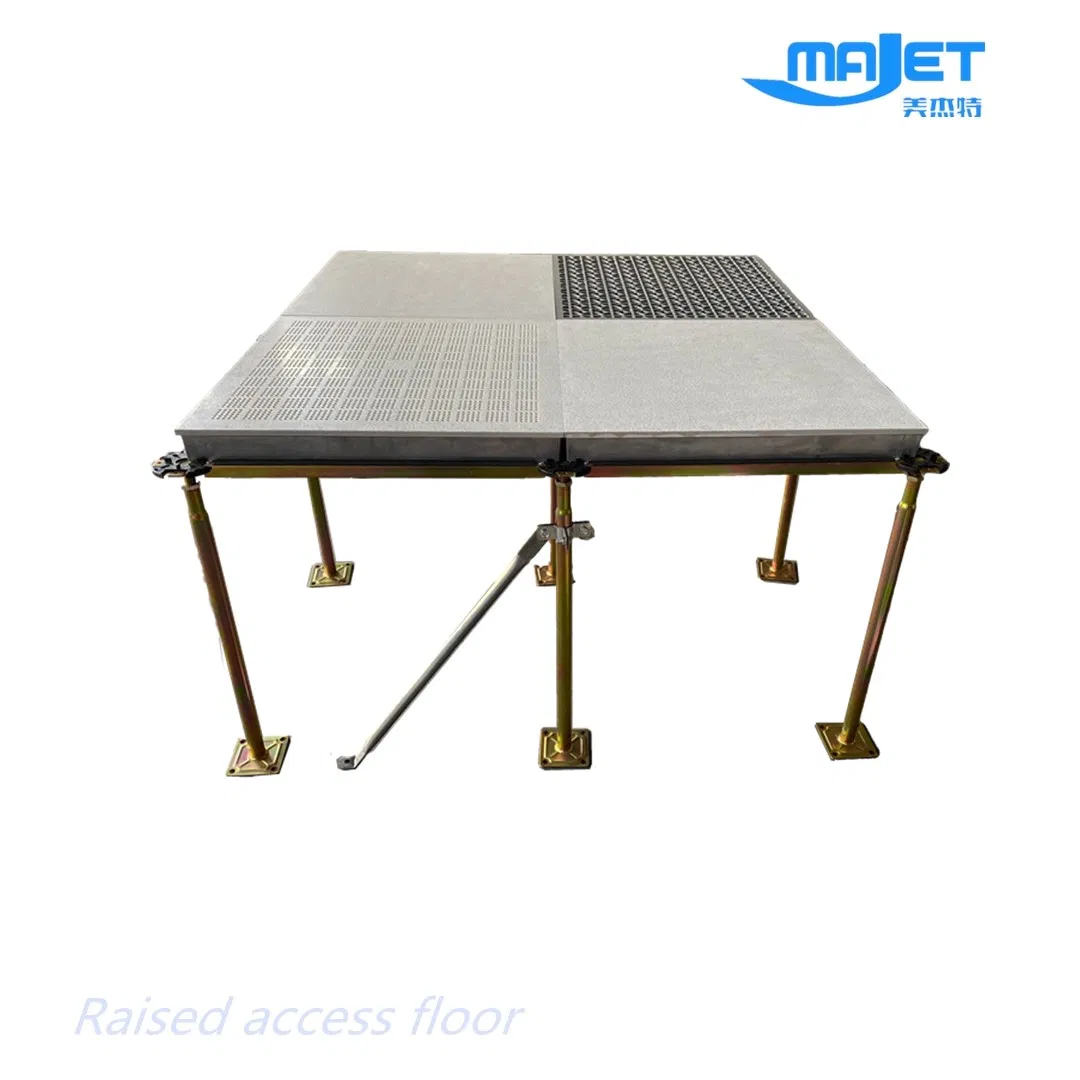
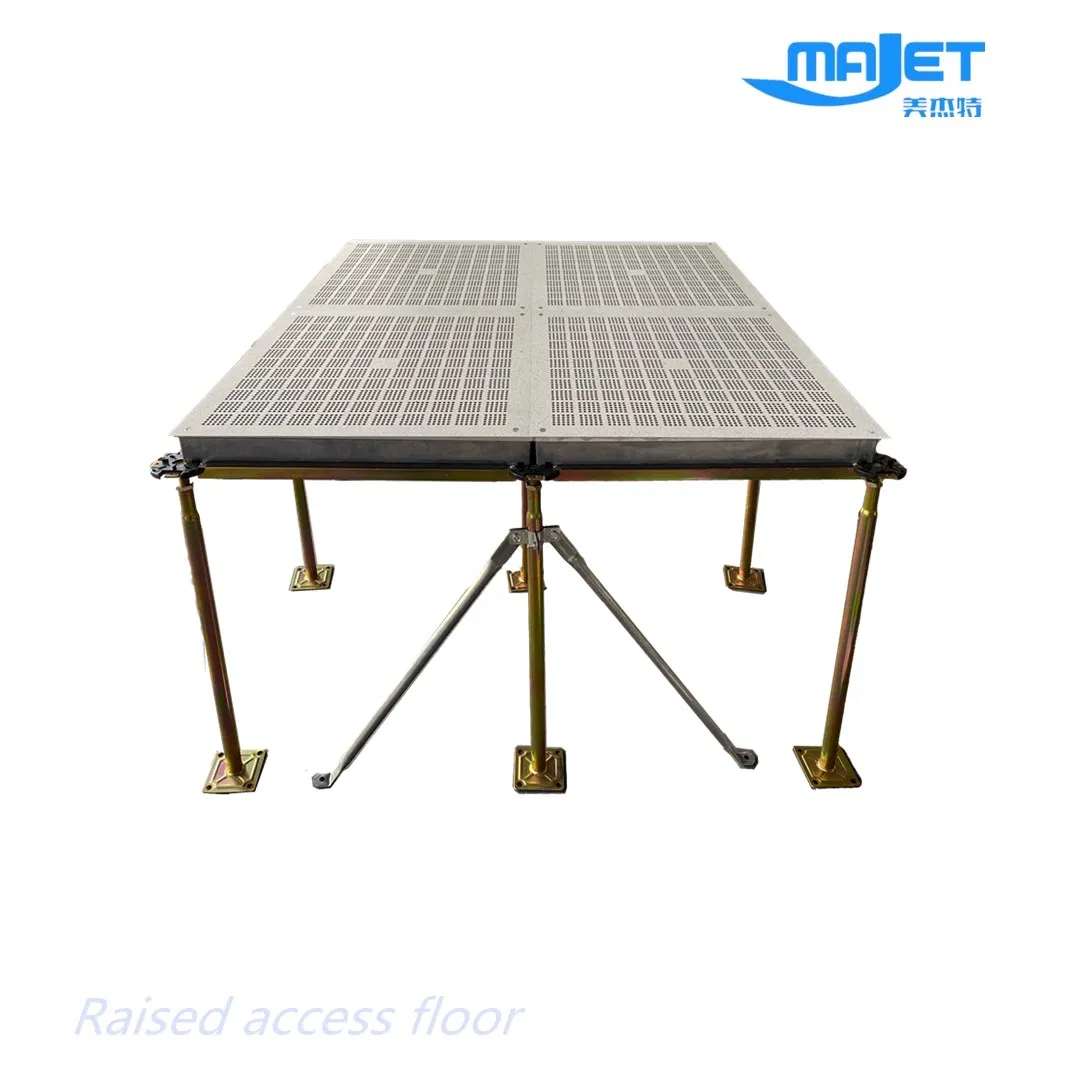
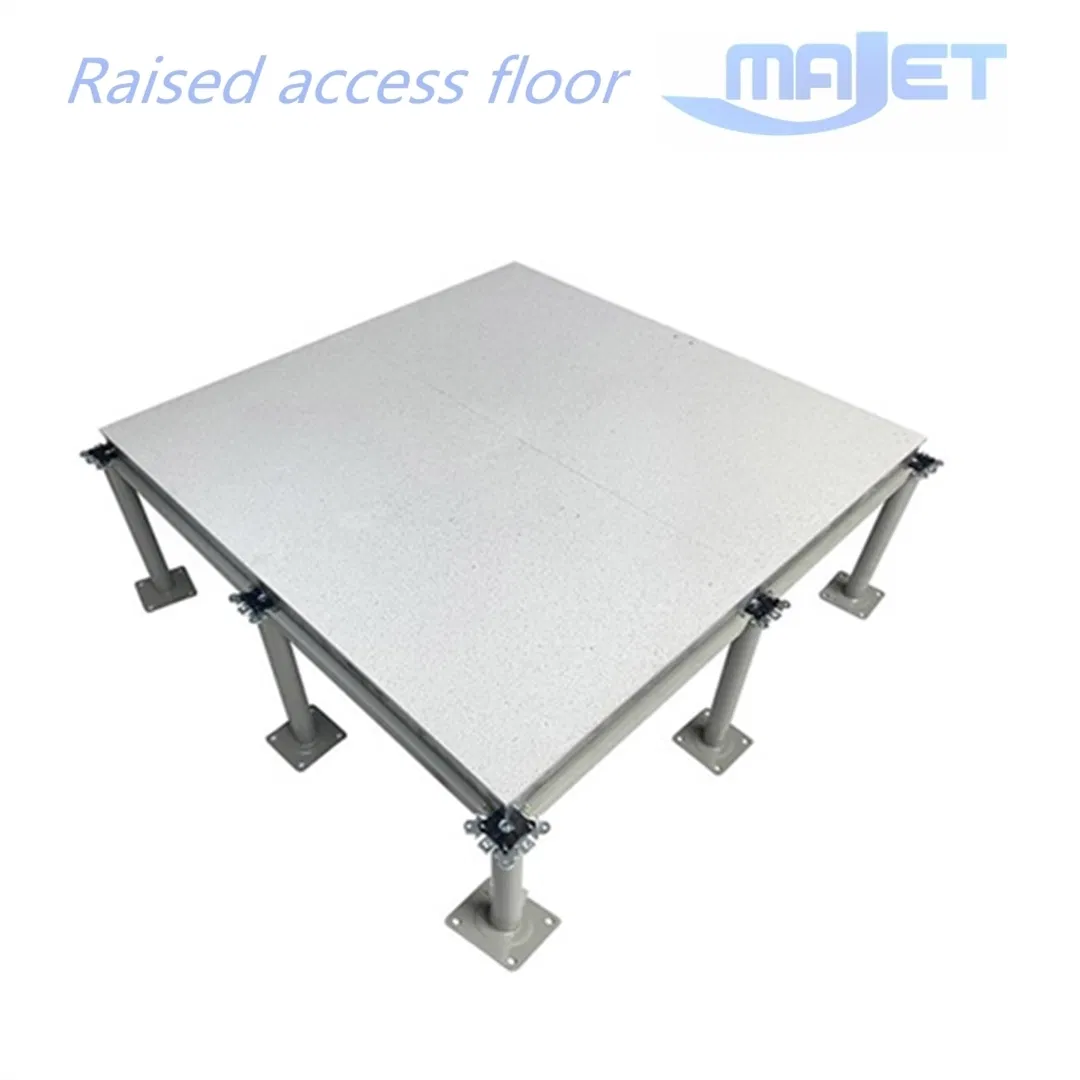
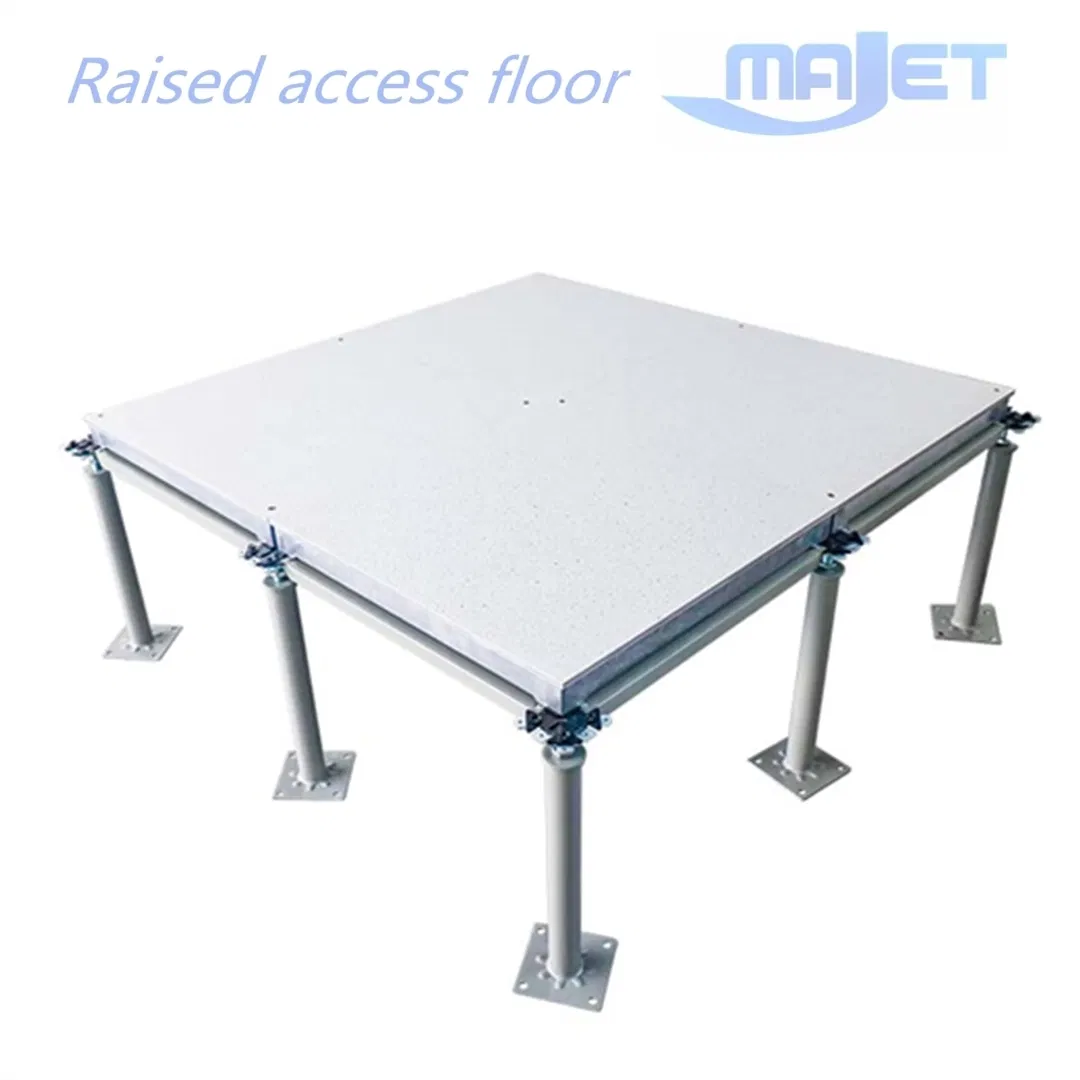
Aluminum Raised Access Floor with HPL/PVC Anti Static / 1250lbs 2000lbs /Clean Room/Electronic Work Plant /Datacenter

Still deciding? Get samples of $ !
Order Sample

Product Description

Basic Specifications

Model NO.
FS1000/FS1250/FS1500
Material
Die-Cast Aluminum Alloy (ADC12)
Size
600X600mm, 610X610mm, 24X24''
Function
Thermal Insulation, Fireproof, Anti-static
Surface Treatment
Epoxy Painting
Ultimate Load
10kN~40kN
Certification
CE, ISO, ASTM
Adjust Height
50mm~2000mm
Surface Finish
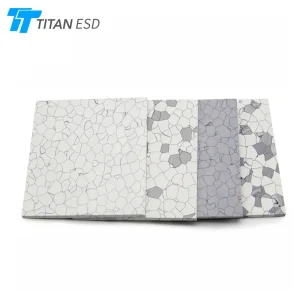
HPL, PVC, Ceramic, Conductive Epoxy
Fire Resistance
Non-Combustible

Product Description

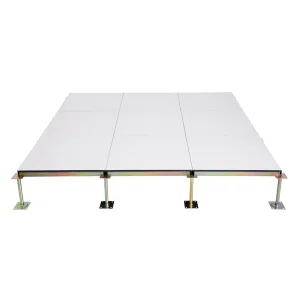
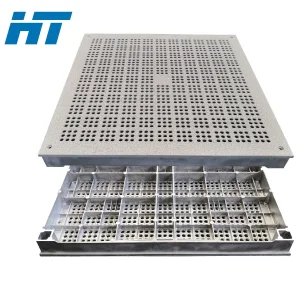
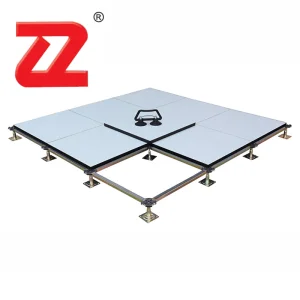
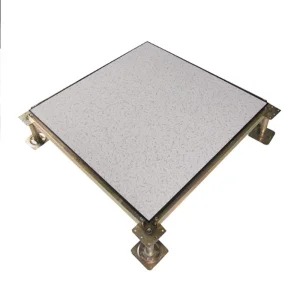
Solid aluminum raised access flooring system is engineered for high-performance environments. Utilizing high-quality die-cast aluminum (ADC12), these panels offer exceptional dimensional stability, corrosion resistance, and high load-bearing capacity while remaining lightweight.
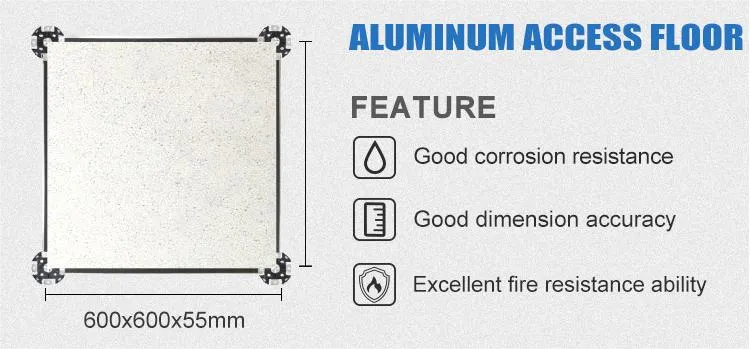
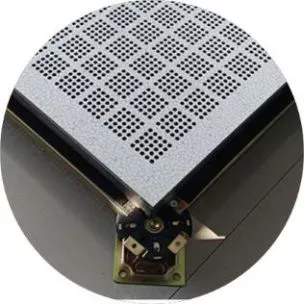
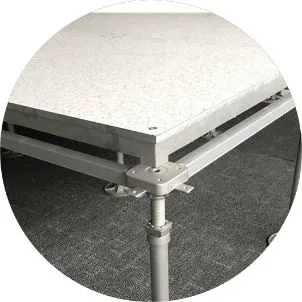
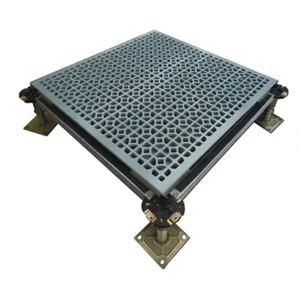
Aluminum Raised Floor System

Available Underfloor Systems

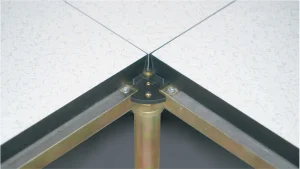
Galvanized Steel Pedestal
Aluminum Pedestal

Core Features

Lightweight with high load-bearing capacity
Excellent anti-static properties via specialized coatings
Water-resistant, fire-resistant, and corrosion-resistant
High dimensional accuracy and easy construction
Recyclable and environmentally friendly materials
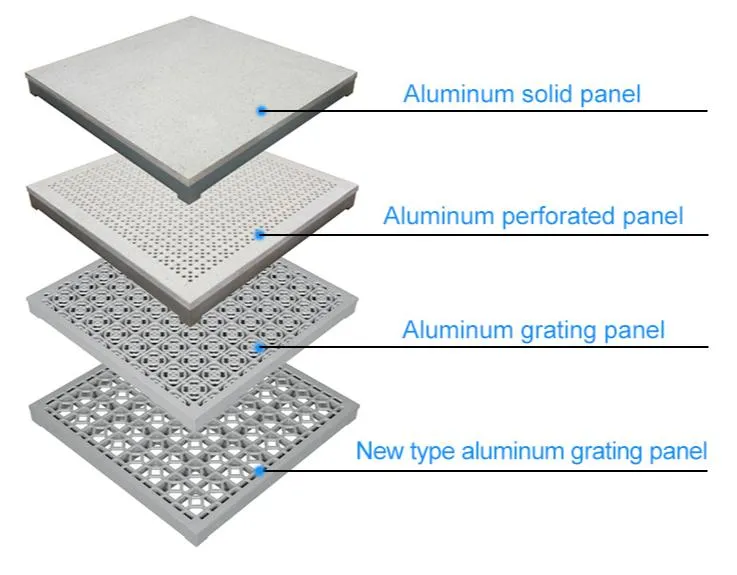
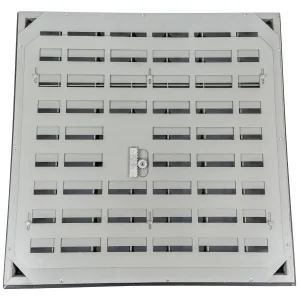
Versatile airflow options (perforated or blind panels)

Technical Parameters (CISCA Standard)

Model Concentrated (N) Impact Load (N) Ultimate Load (N) Uniform Load (N/m2) Rolling Load (10k)
SC800≥3590670≥10799≥197962215
SC1000≥4498670≥13494≥232942959
SC1250≥5595670≥16797≥330843596
SC1500≥6693670≥20090≥425814498
SC2000≥8898670≥26685≥497845595
Loading Standards

Common Applications

Data Centers: Precision temperature control and massive cable management.
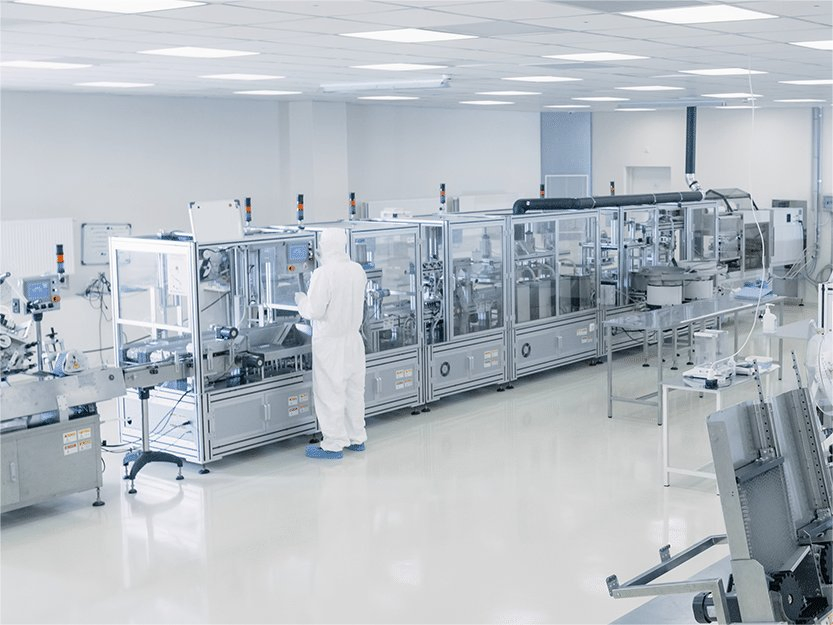
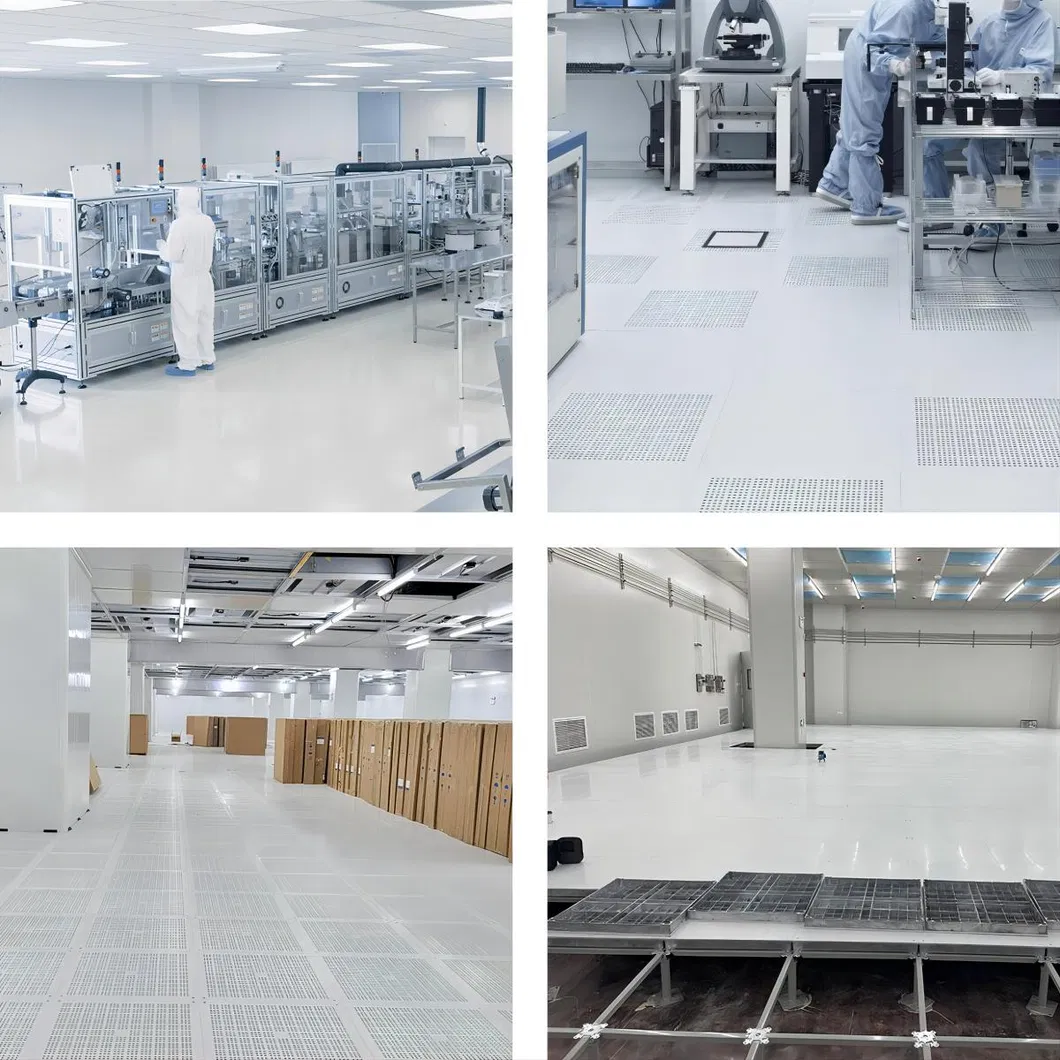
Cleanrooms: Minimizes particles for pharmaceuticals and electronics.
Laboratories: Chemical resistance and non-magnetic environments.
Office Spaces: Dynamic layouts with easy access to power and data.
Floor Application

Production & Quality

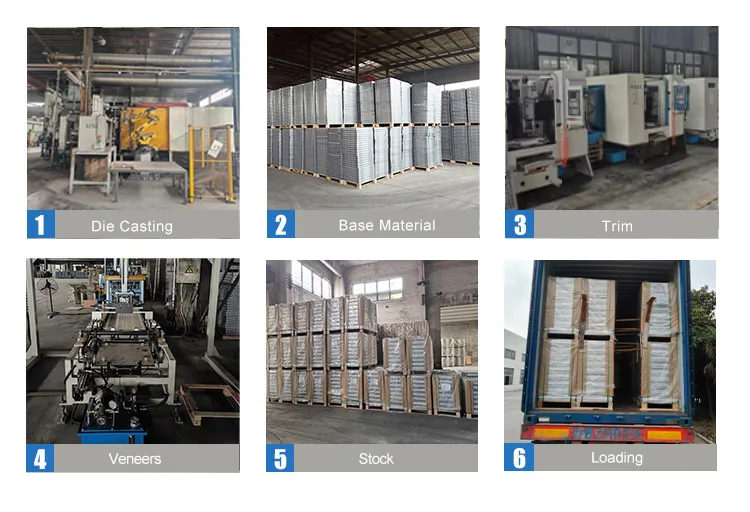
Production Process
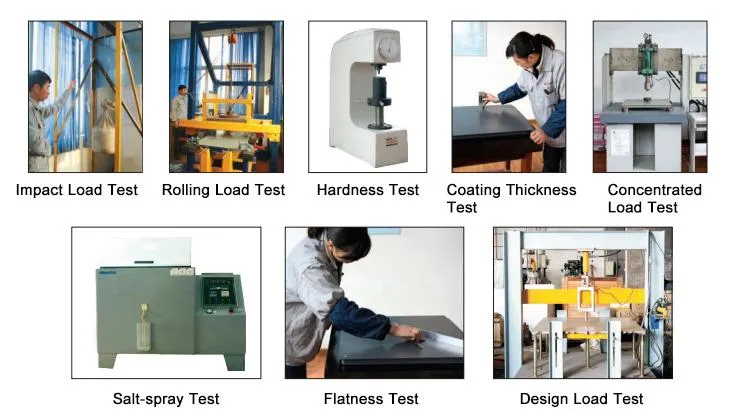
Testing
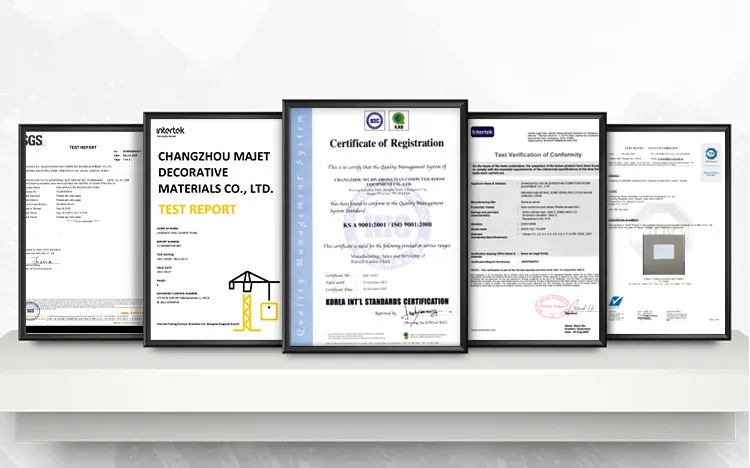
Certification

Frequently Asked Questions

Q1: How does aluminum flooring support clean room requirements?
Aluminum is non-porous and resists particle generation. It offers excellent conductivity for anti-static needs and is resistant to corrosion from harsh cleaning chemicals, ensuring a sterile environment.
Q2: What are the main advantages of using aluminum materials for access floors?
Aluminum is lightweight yet incredibly strong, providing a high strength-to-weight ratio. It is naturally rust-proof, non-magnetic, and 100% recyclable, making it an eco-friendly and durable choice.
Q3: Can these floors handle heavy equipment like servers or industrial machinery?
Yes, aluminum access floors are designed to spread weight evenly. They can handle concentrated loads from 3,000N to over 11,000N depending on the model, meeting CISCA performance standards.
Q4: What types of surface finishes are available?
Common options include High-Pressure Laminate (HPL) for anti-static properties, PVC, Ceramic tiles for high wear resistance, and conductive epoxy coatings.
Q5: Is it easy to maintain or reconfigure the floor layout?
The modular design allows individual panels to be lifted easily using a suction tool. This provides quick access to underfloor cables and utilities without requiring major construction.
Q6: Are aluminum floors suitable for magnetically sensitive environments?
Absolutely. Being non-magnetic, aluminum floors are ideal for medical imaging rooms (like MRI suites) and precision laboratories where magnetic interference must be avoided.

Related Products