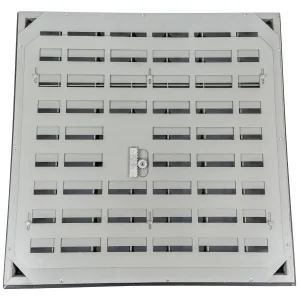
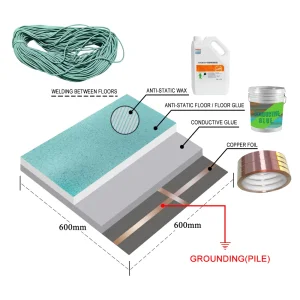
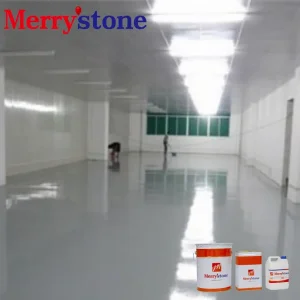
Advanced electrostatic dissipation systems optimized for Bangladesh's demanding humidity profiles and heavy load standards.
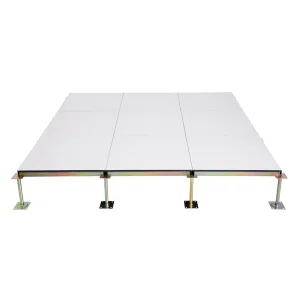
A technical guide on designing static-free cleanrooms for Chittagong's sub-tropical manufacturing zones.
Chittagong, serving as the commercial gateway of Bangladesh, is transitioning from a traditional textile and maritime cargo center to an advanced high-tech industrial corridor. The emergence of the Chittagong Export Processing Zone (CEPZ), the Karnaphuli Export Processing Zone (KEPZ), and special economic zones in Mirsharai has triggered a massive capital influx. Critical industries including semiconductor packaging, consumer electronics assembly, medical diagnostic device manufacturing, and pharmaceutical formulations are establishing state-of-the-art production floors.
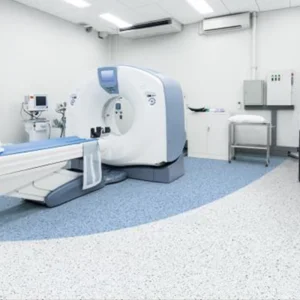
However, these high-tech systems require highly regulated environmental conditions. In these facilities, uncontrolled electrostatic discharge (ESD) represents a silent hazard, capable of compromising microprocessors, causing localized micro-explosions in volatile chemical vapors, and disrupting delicate quality assurance sensors. Implementing professional-grade anti-static cleanroom flooring is essential to protect raw materials, prevent product failures, and meet international safety mandates.
Mitigating ESD risks in Chittagong poses unique physical challenges. The region experiences extreme relative humidity variations, high marine salinity, and seasonal monsoons. High atmospheric humidity can create conductive liquid micro-films on standard surfaces, whereas dry winter periods escalate triboelectric charges during material transport.
When automated guided vehicles (AGVs) or cleanroom personnel traverse ungrounded floors, friction generates static voltages exceeding 5,000V. In a cleanroom environment, this voltage can damage sensitive sub-micron semiconductors or cause electrical interference. An integrated, grounded ESD flooring system acts as a direct pathway, safe-guarding equipment by limiting electrostatic generation and channeling excess charges to the building's ground grid.
| Floor Material Substrate | Electrical Resistance Range (Ω) | Static Dissipation Speed | Load Bearing Capacity | Ideal Application Scenario |
|---|---|---|---|---|
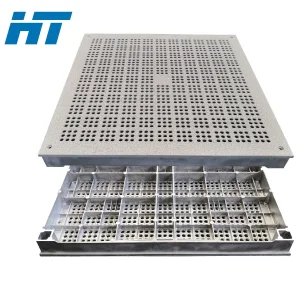
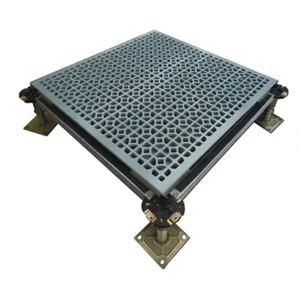
| Aluminum Alloy Perforated Raised Floors | $1.0 \times 10^4$ to $1.0 \times 10^6$ (Conductive) | Ultra-Fast (<0.05s) | Extra-Heavy Duty (>25,000 N/m²) | Semiconductor Fab, Wafer Processing, Cleanrooms Class 1-100 |
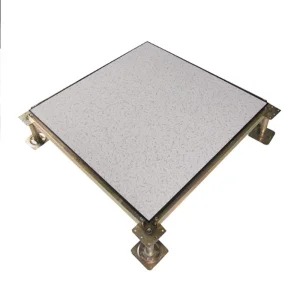
| Calcium Sulphate Access Floor | $1.0 \times 10^5$ to $1.0 \times 10^9$ (Dissipative) | Fast (<0.1s) | Heavy-Duty (>15,000 N/m²) | Telecomm Data Centers, Server Control Rooms, Testing Labs |
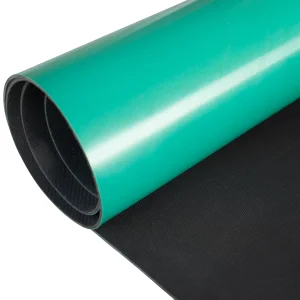
| Homogeneous Vinyl (PVC) Rolls/Mats | $2.5 \times 10^4$ to $1.0 \times 10^8$ (Dual State) | Standard (<0.5s) | Medium-High (Resilient) | Pharmaceutical Cleanrooms, Medical Device Assembly, Logistics |
| Self-Leveling Epoxy ESD Coating | $1.0 \times 10^6$ to $1.0 \times 10^9$ (Dissipative) | Standard (<0.8s) | Medium-High (Impact Resistant) | Chemical Storage, Cleanroom Corridors, Large Assembly Plants |
Modern manufacturing operations rely on global standards. Leading multi-national corporations setting up cleanrooms in Chittagong require compliance with international certifications including ANSI/ESD S20.20-2021, IEC 61340-5-1, and ASTM F150.
To maintain an optimal micro-environment, cleanroom designers must evaluate three critical parameters:
Anhui Prairie Floor Co., Ltd. is a recognized leader in composite building materials. Since our establishment, we have focused on transforming recycled resources into high-quality composite products, reducing dependency on natural forests, and promoting global sustainable development.
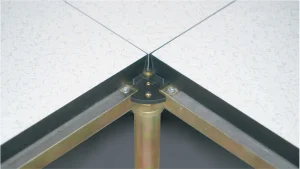
By leveraging our composite materials engineering expertise, our research division developed our specialized line of high-performance cleanroom access floors. This includes heavy-duty calcium sulphate cores, high-density conductive PVC composites, and lightweight aluminum alloys.
Through advanced material processing and automated production lines, we supply the Chittagong market with high-durability, static-dissipative solutions suitable for heavy industrial use.
Our commitment is built on three pillars: advanced technological innovation, strict quality assurance, and sustainable environmental practices.
We apply co-extrusion technology to our products, securing greater wear resistance on the surface, higher toughness in the core structural layers, and extending the service life by up to 50% under harsh manufacturing conditions.
From sourcing high-purity raw materials to final dimensional checks, our production lines operate under strict controls that comply with international standards like ISO 9001 and ISO 14001.
We use recycled plastics, bio-based composite resins, and sustainably sourced gypsum matrix fibers, minimizing raw material waste and energy usage during production.
We provide full-service support, including floor layout design, load estimates, static dissipation mapping, and installation guidelines tailored to Chittagong's industrial requirements.
At Anhui Prairie Floor, sustainability is central to our operations. We integrate recycled polymers and natural mineral fibers to reduce dependencies on virgin plastics and timber forests, preserving natural ecosystems.
By optimizing our manufacturing lines, we have significantly decreased greenhouse gas emissions per square meter produced. This ensures that when companies in Chittagong select our cleanroom access flooring, they are choosing a solution that meets high technical standards while contributing to a circular economy.
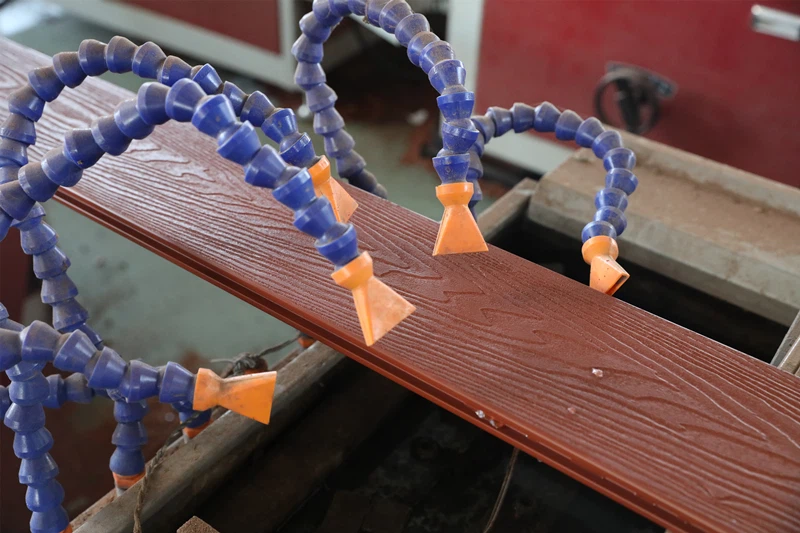
A step-by-step look at our automated production facility, ensuring consistency and high mechanical performance for every batch.
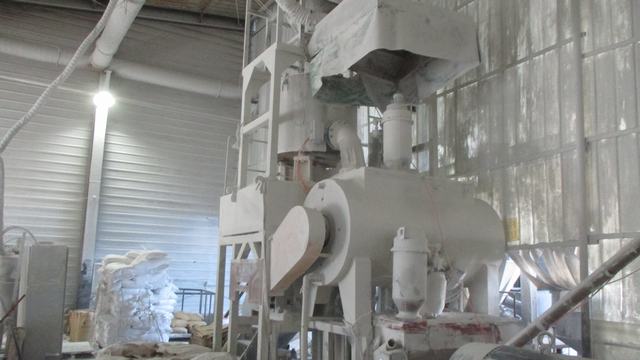
High-precision blending of polymers, flame retardants, and carbon-black conductive particles.
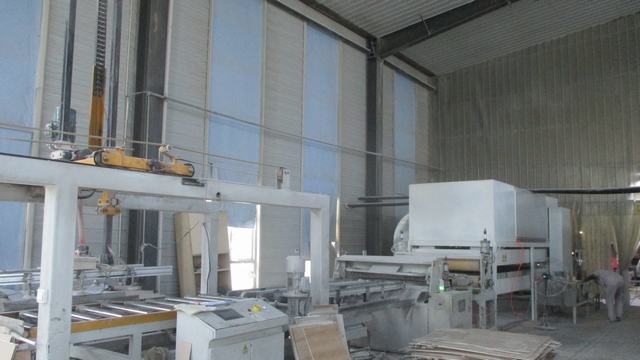
High-pressure extrusion to form dense, void-free core panels with high load capacity.
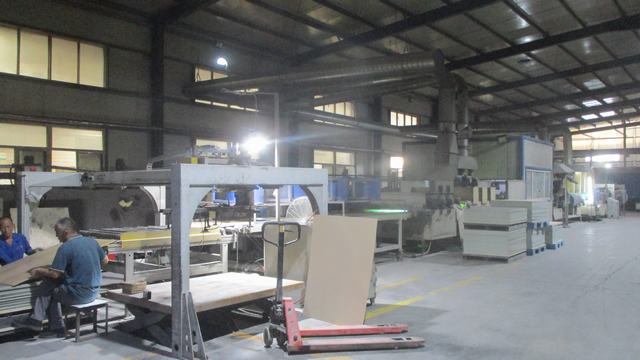
UV-cured surface treatment for high scratch resistance and stable electrical conductivity.
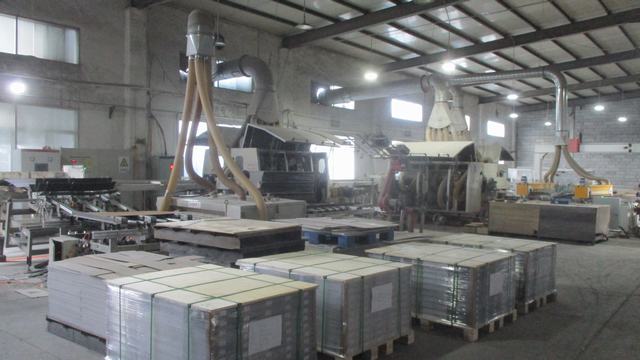
Computerized milling to ensure tight joints, precise sizing, and seamless panel integration.
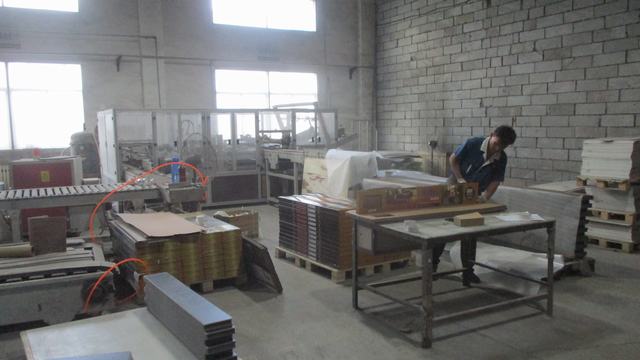
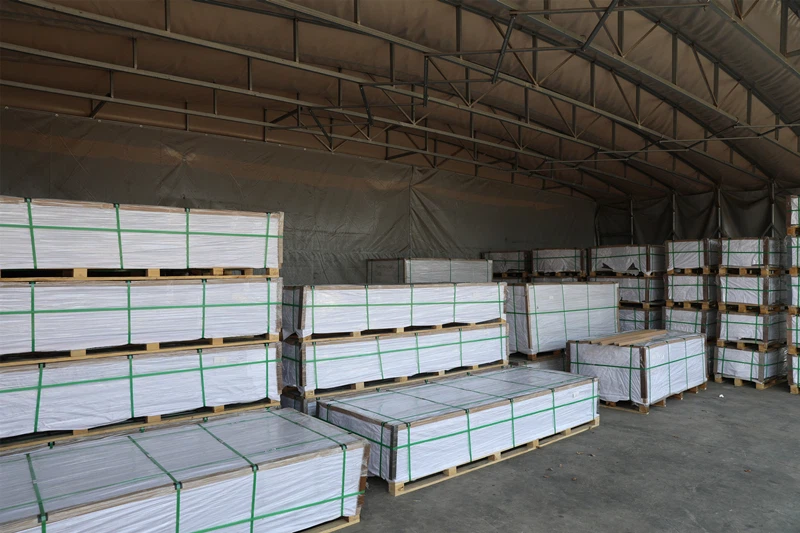
Secure packaging designed to protect panels from humidity during sea transit to the Port of Chittagong.
Technical guidance from our engineering team on selecting, installing, and maintaining ESD flooring systems.
The difference lies in their electrical resistance ranges. Conductive flooring has a lower electrical resistance (typically $1.0 \times 10^4$ to $1.0 \times 10^6 \, \Omega$), allowing electrostatic charges to flow to ground very quickly. Dissipative flooring has a higher resistance range ($1.0 \times 10^6$ to $1.0 \times 10^9 \, \Omega$), which drains static charges more slowly and controlled. Conductive flooring is generally preferred for sensitive semiconductor and explosive manufacturing areas, while dissipative flooring is ideal for assembly lines, testing labs, and cleanroom corridors.
Chittagong's high relative humidity and coastal environment can lead to moisture vapor transmission through the concrete subfloor, potentially causing adhesive failure, vinyl bubbling, or corrosion on steel pedestals. We recommend applying a high-quality moisture vapor barrier epoxy primer to the concrete subbase before installation. Additionally, choosing hot-dip galvanized steel pedestals and aluminum or calcium sulphate core panels helps prevent corrosion caused by humidity and marine salt.
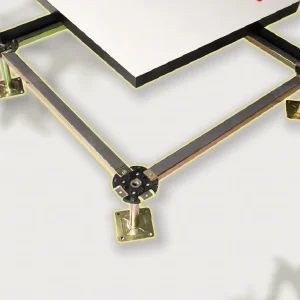
Raised access floors allow routing of critical utility lines (power, data, process gases, and cooling water) directly underneath the panels, keeping the workspace clean. In cleanrooms, perforated raised floor panels facilitate laminar airflow, drawing air down through the floor to be filtered and recirculated. This layout helps control airborne particulates and maintains ISO cleanroom class standards.
Per the ANSI/ESD S20.20 compliance verification program, ESD flooring should be tested periodically, typically every month or quarter, using a Megohmmeter and calibrated weighted electrodes. We recommend keeping logbooks of point-to-point (Rtg) and point-to-ground (Rtt) resistance to monitor system health and detect any issues early.
A gallery displaying our production finishes and packaging methods, ensuring products arrive in perfect condition at Chittagong Port.
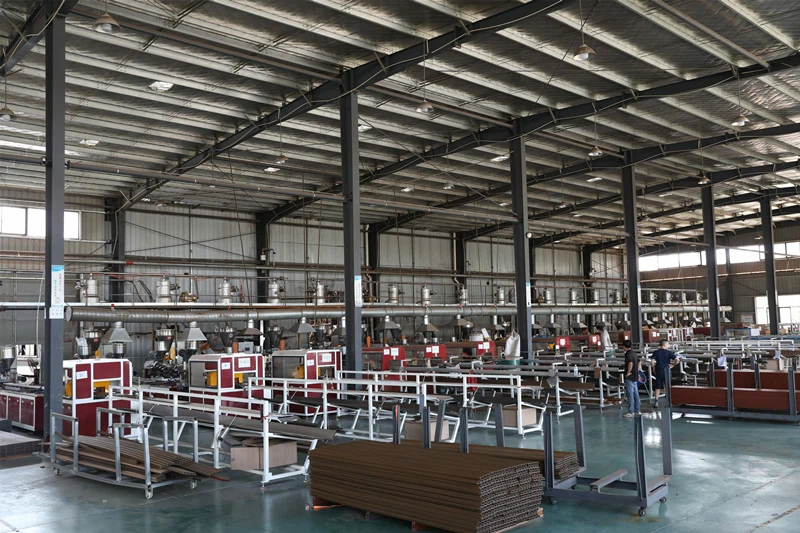
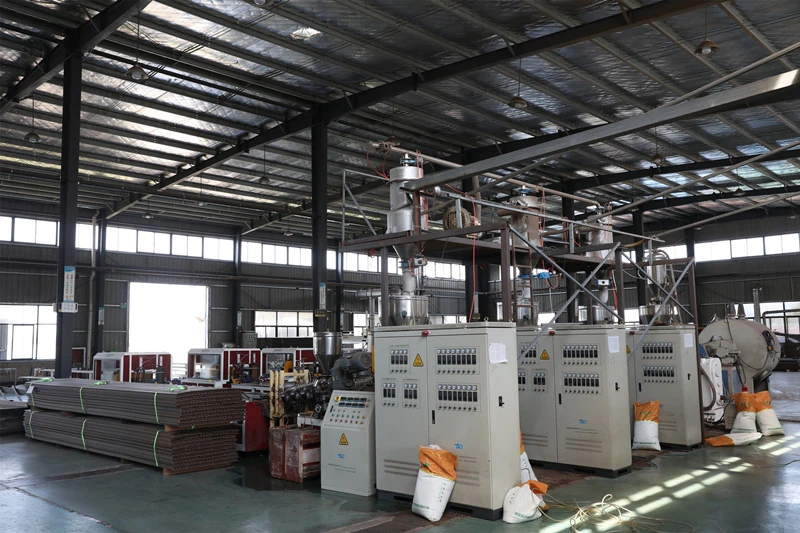
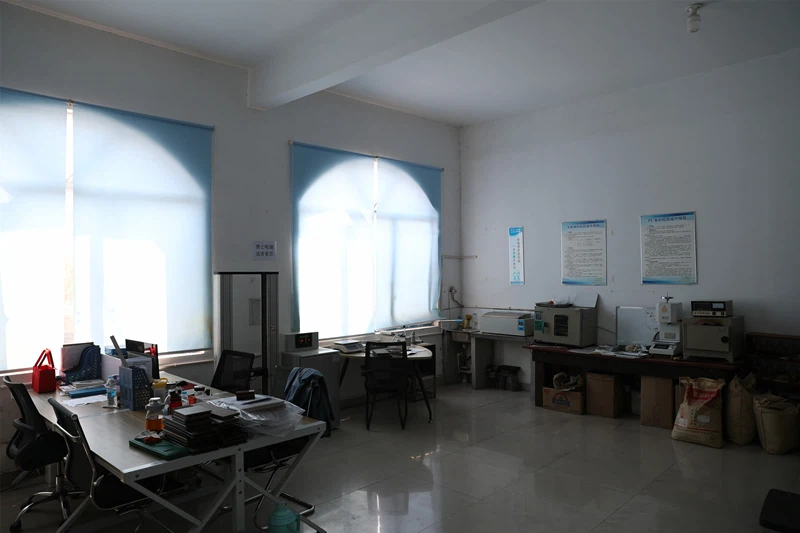
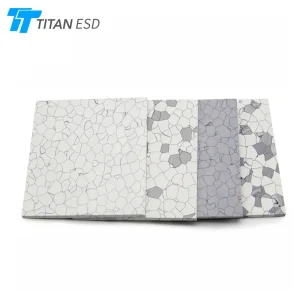
Explore our full range of anti-static tiles, pedestals, and accessories, designed to meet the strict requirements of Chittagong's industrial hubs.
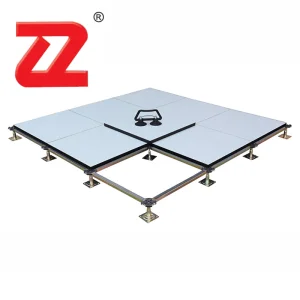


Consult with our technical engineers. We offer complete system designs, compliance documentation for ANSI/ESD, loading calculations, and logistics planning to the Port of Chittagong.
 Prairie Floor