Architects and global corporate procurement divisions are moving away from energy-intensive synthetic cladding in favor of natural, high-performance building solutions. Cork and wood plastic composites are leading this revolution.
Factories situated in southern Europe feature direct access to the world's finest cork oak forests. They excel in standard solid-cork blocks and raw design tiles, providing premium boutique solutions but often facing capacity and lead-time bottlenecks for high-volume commercial projects.
Leveraging high-tech automation, Chinese facilities lead in developing hybrid cork-WPC or cork-SPC composite wall panel designs. By applying precision cross-linking and UV-tempering, these factories deliver unmatched dimensional stability and fire-retardant properties at scale.
Located in Northern Europe, these specialist ateliers focus on custom patterns, three-dimensional acoustic geometry, and localized luxury specifications, functioning as value-added processors using raw cork material imported from southern Europe.
Technical Selection Insight: When selecting a partner factory, verify their compliance with the FSC (Forest Stewardship Council) chain of custody. Truly sustainable cork must be harvested without destroying the tree, ensuring the bark regenerates over a 9-year cycle.
Chinese factories are anchored in deep raw material clusters. From bio-resins and plant fibers to mineral compounds, the immediate availability of input materials eliminates global freight delay risks for non-cork components, enabling faster turnaround times for bulk orders.
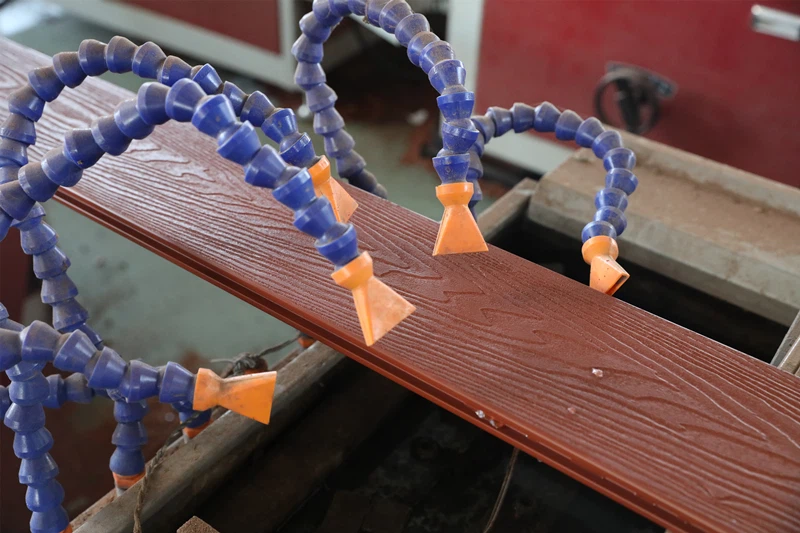
By blending recycled polymers with natural wood fibers or granulated cork, advanced co-extrusion technology creates a dual-layer structure. The core ensures high density and structural load support, while the outer protective shell blocks moisture penetration, insect attacks, and UV fading.
Traditional cork panels can easily scratch or crumble. Modern composite factories apply clear, eco-friendly polyurethane finishes or protective film barriers, making these panels suitable for high-traffic commercial zones like school hallways and hospital lobbies.
A reputable export-oriented factory must satisfy localized fire safety ratings, such as ASTM E84 Class A in North America or EN 13501-1 Class B-s1, d0 in the European Union. These ratings ensure the panels do not produce excessive toxic smoke or accelerate fire spread during building evacuations.
From customizable panel dimensions (e.g., 300x600mm to 1200x2400mm) to precise thicknesses (from 3mm backing to 20mm 3D sculpted tiles), global projects require flexible design pipelines. Advanced factories utilize high-precision CNC routers to realize complex geometric textures directly from CAD files.
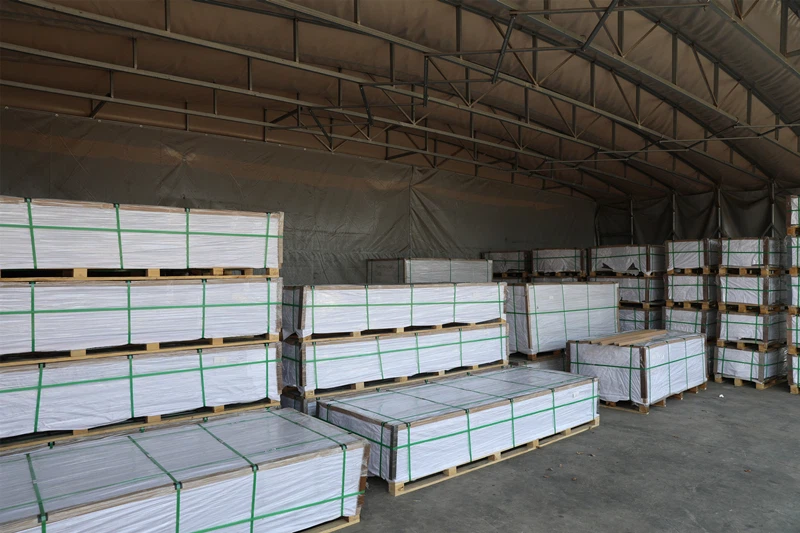
Cork is highly hygroscopic. If it is exposed to high humidity inside shipping containers during sea voyages, it can warp or develop mold. Experienced factories implement barrier packaging, vacuum plastic sealing, and integrated container desiccant systems to maintain perfect ambient moisture control.
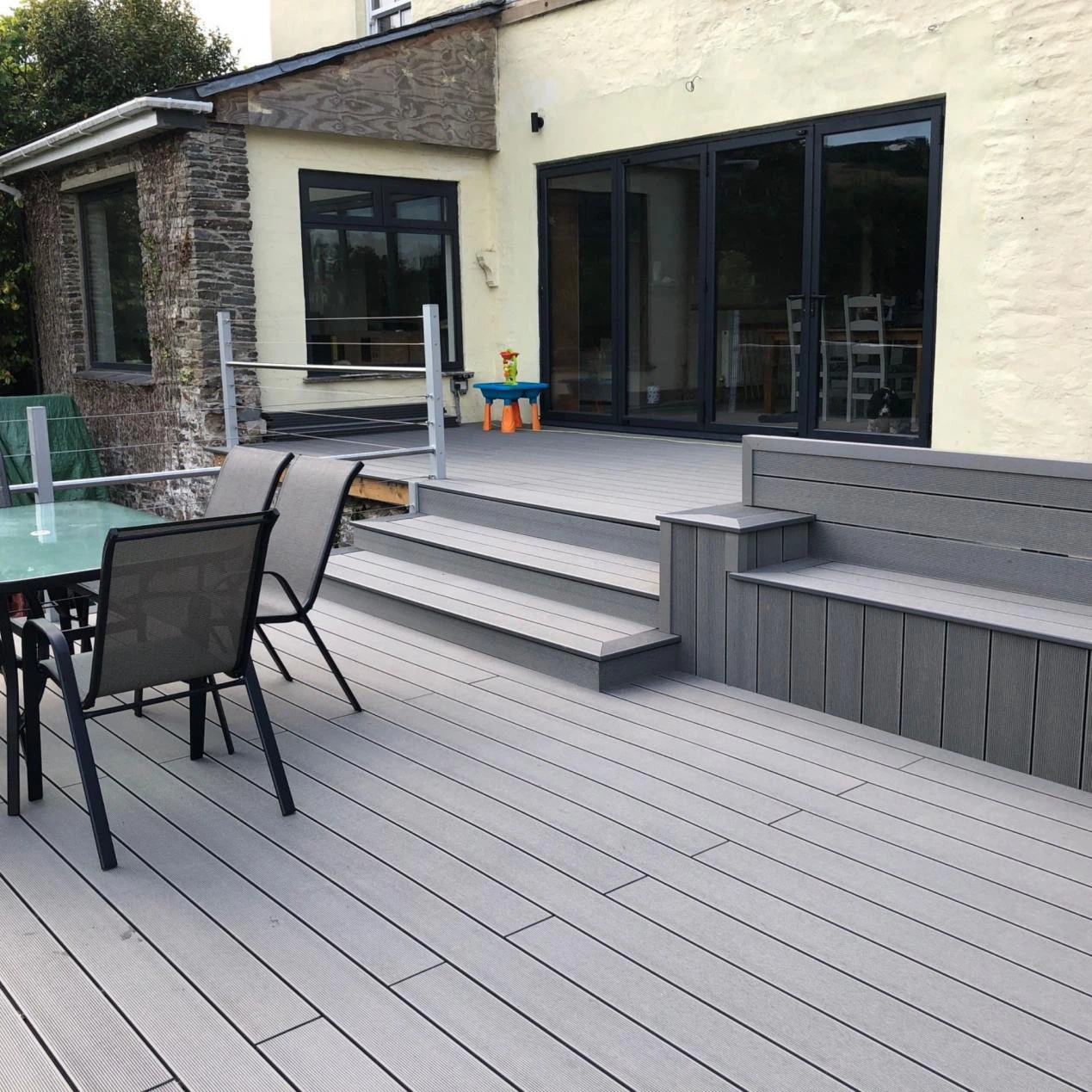
To ensure structural integrity and compliance, each production run undergoes 5 distinct processing phases:
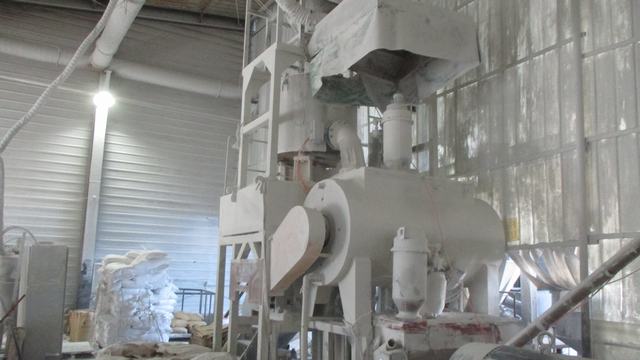
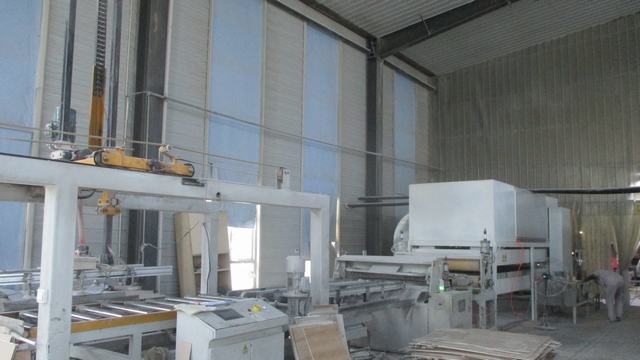
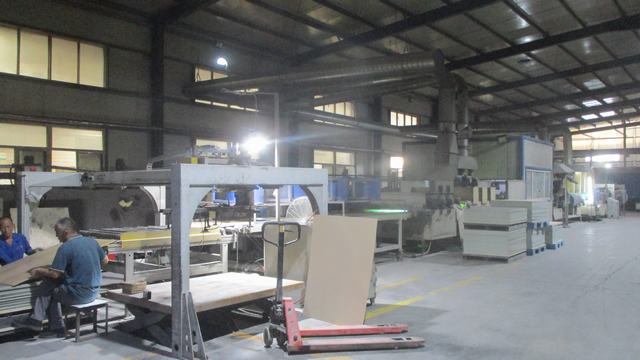
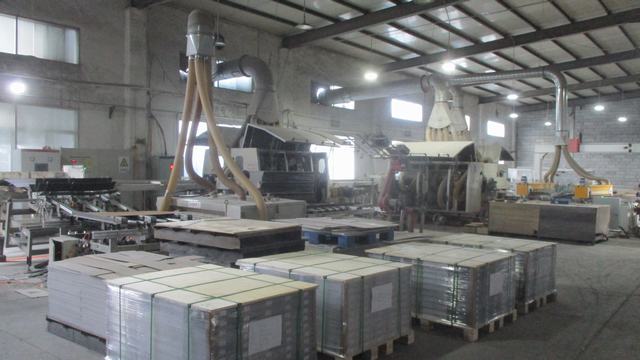
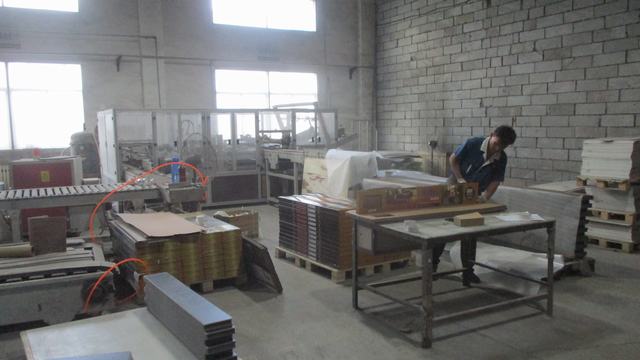
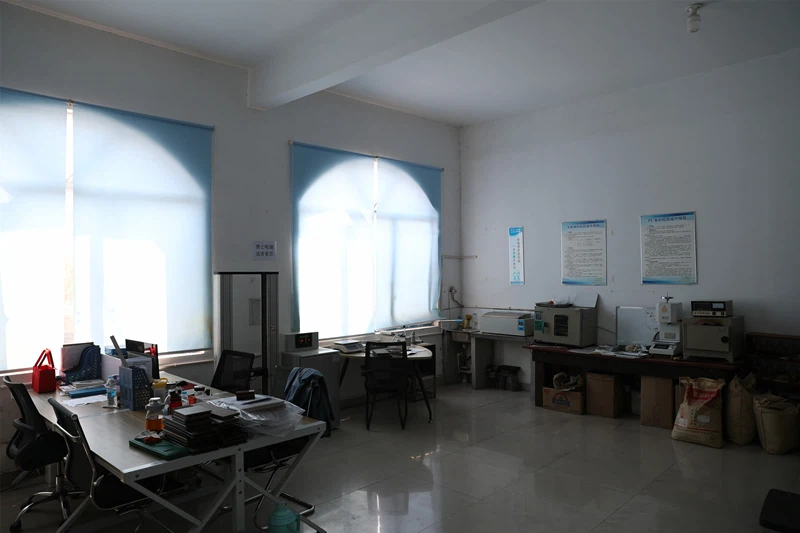
Anhui Prairie Floor Co., Ltd.: The perfect connection between nature and technology.
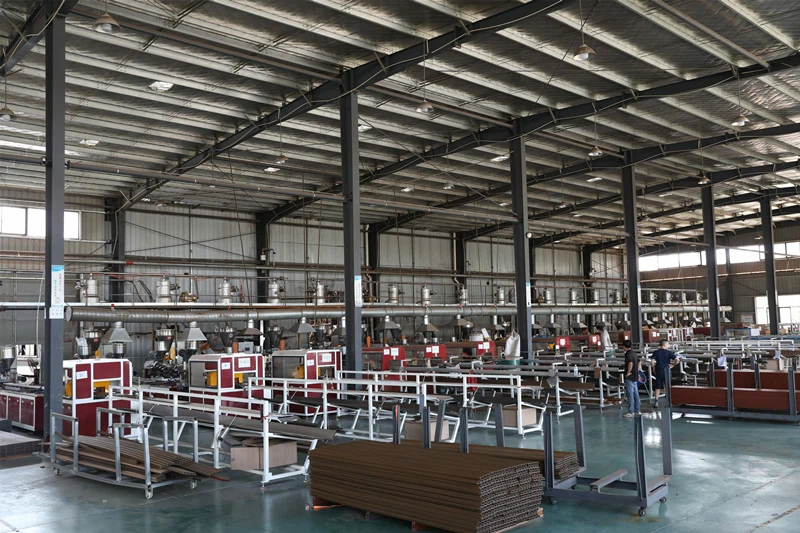
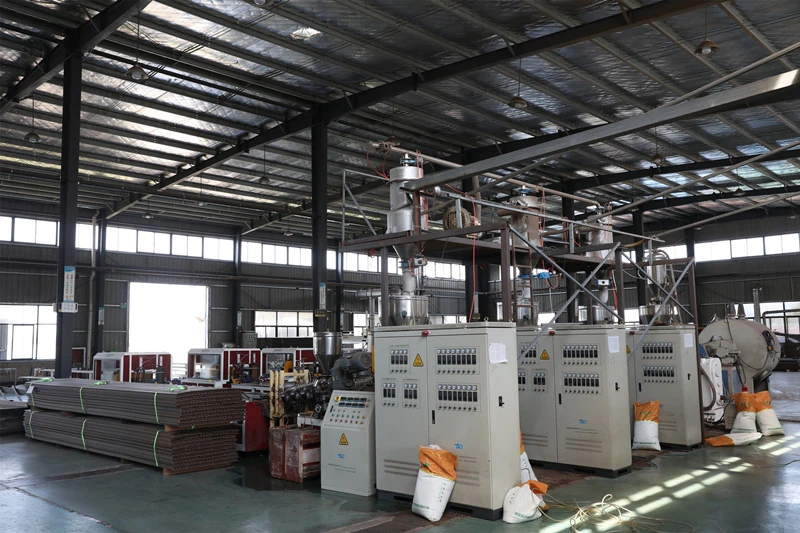
By cladding meeting room partition walls with 10mm high-density acoustic cork tiles, facilities directors can achieve a Noise Reduction Coefficient (NRC) rating of 0.65. This effectively absorbs mid-to-high frequency vocal ranges, increasing productivity and conversational privacy.
In kindergarten classrooms and hospital recovery rooms, materials must be antimicrobial and impact-resistant. Eco-friendly composite panels deliver a warm surface texture while preventing mold formation and resisting physical dents from equipment carts.
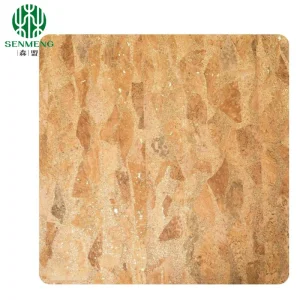
In boutique hotels and sustainable residences, 3D geometric cork wall tiles serve as striking visual centerpieces. Their natural insulation properties maintain a stable surface temperature, lowering HVAC heating and cooling expenses.

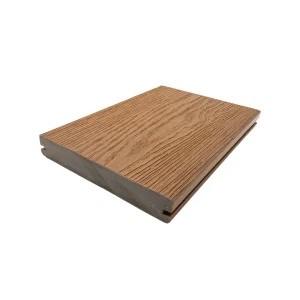
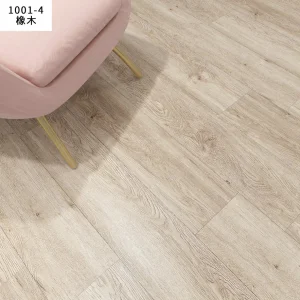
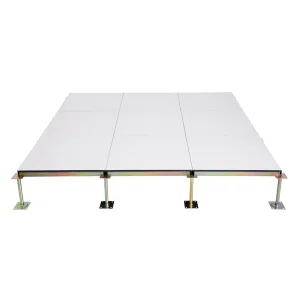
 Prairie Floor