Prairie Floor
1 / 5
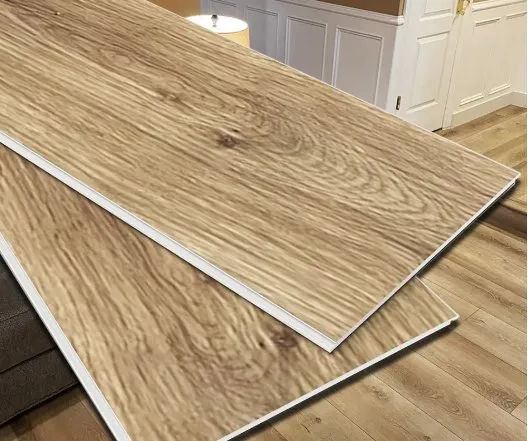
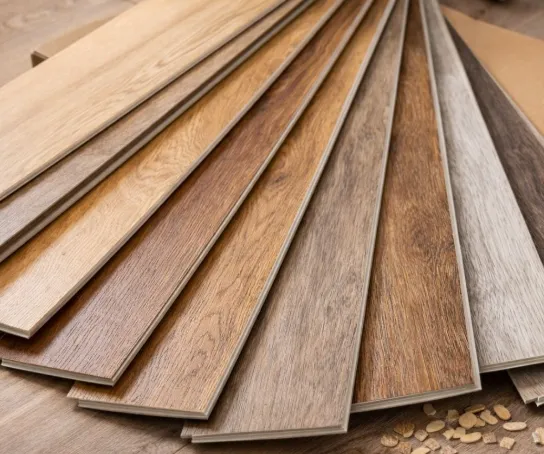
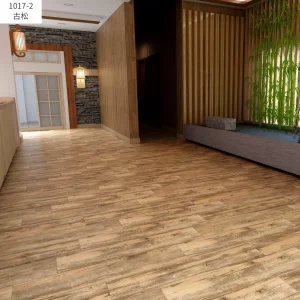
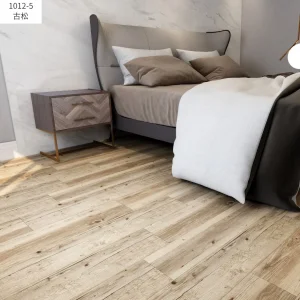
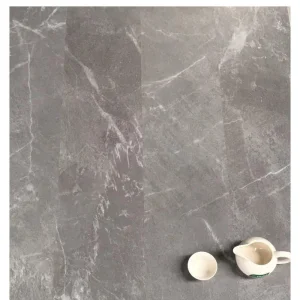
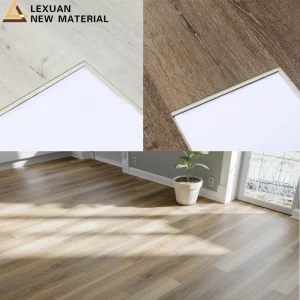
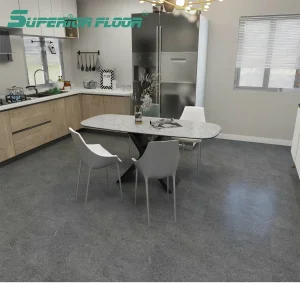
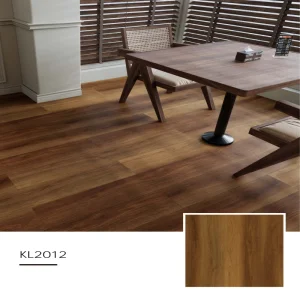
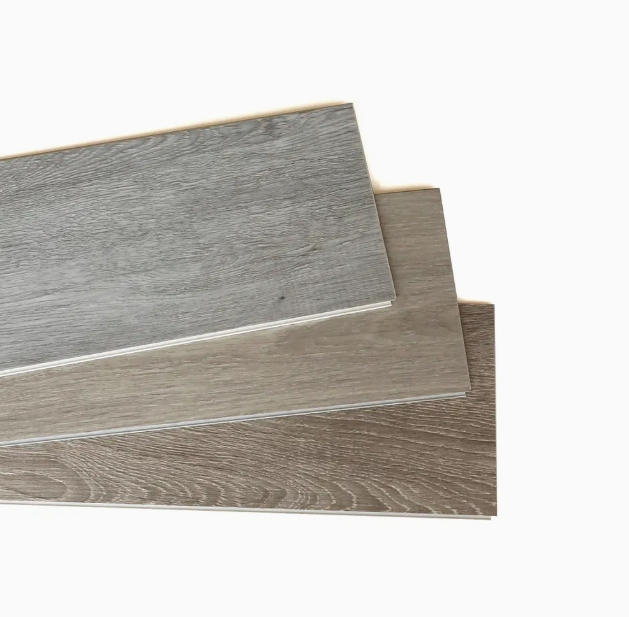
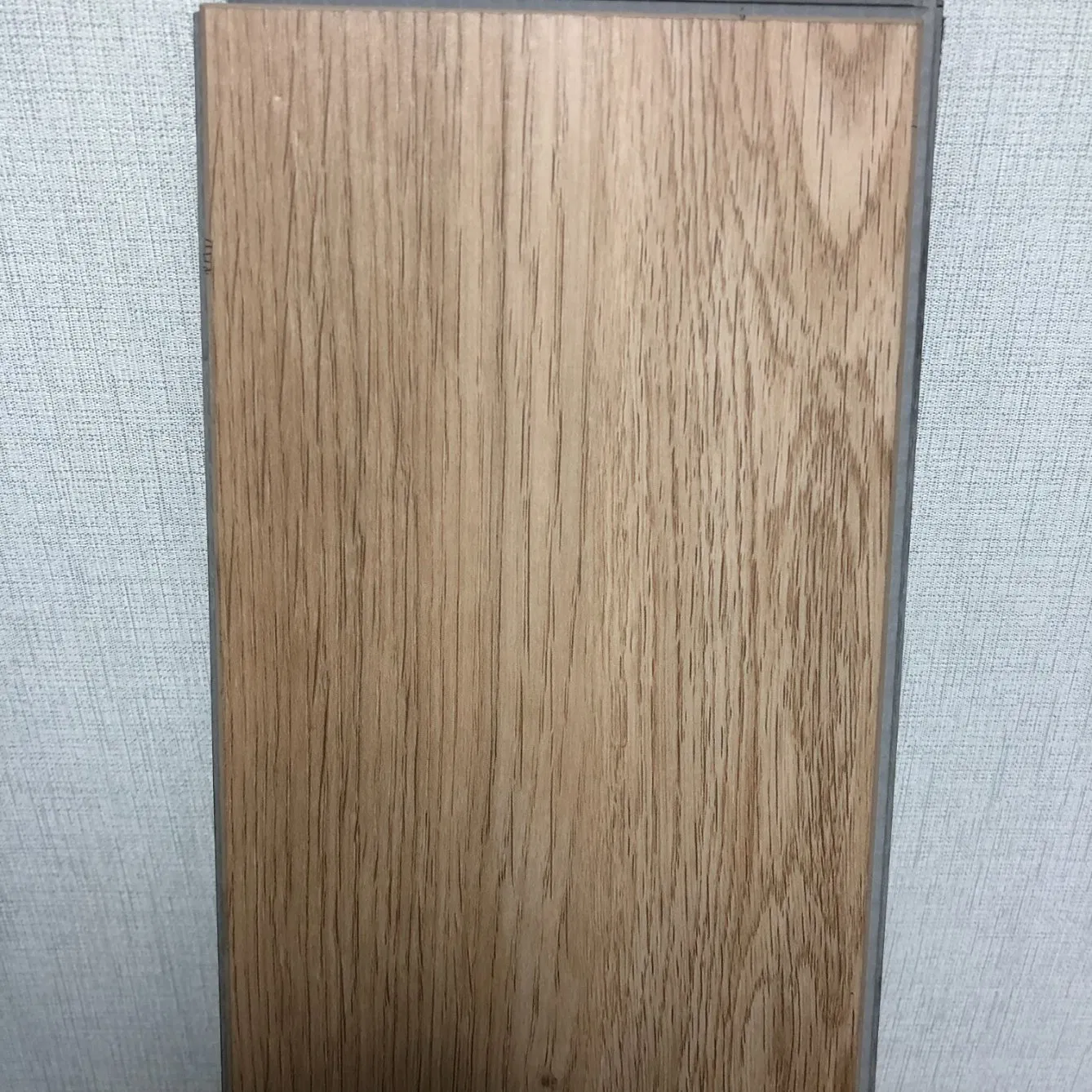
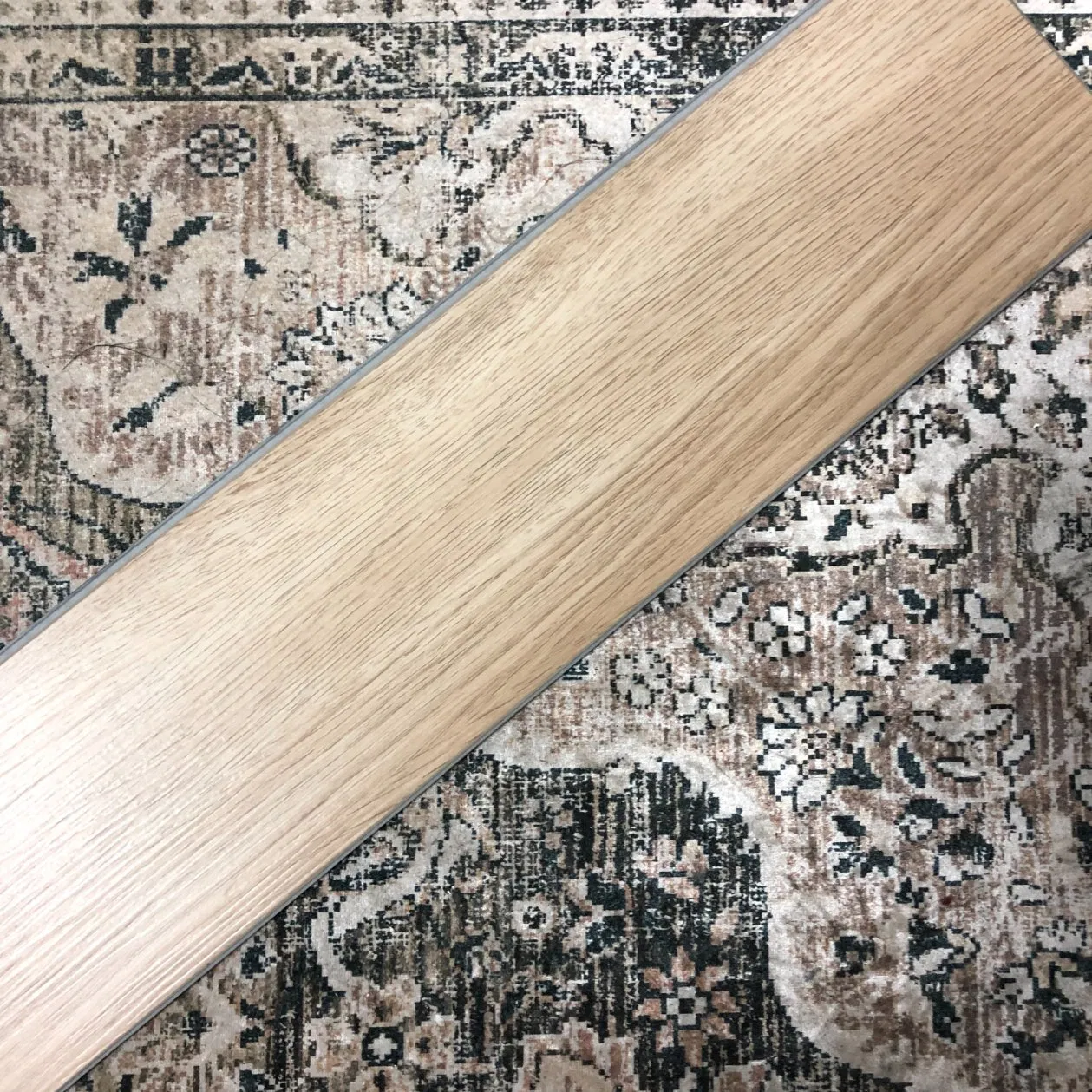
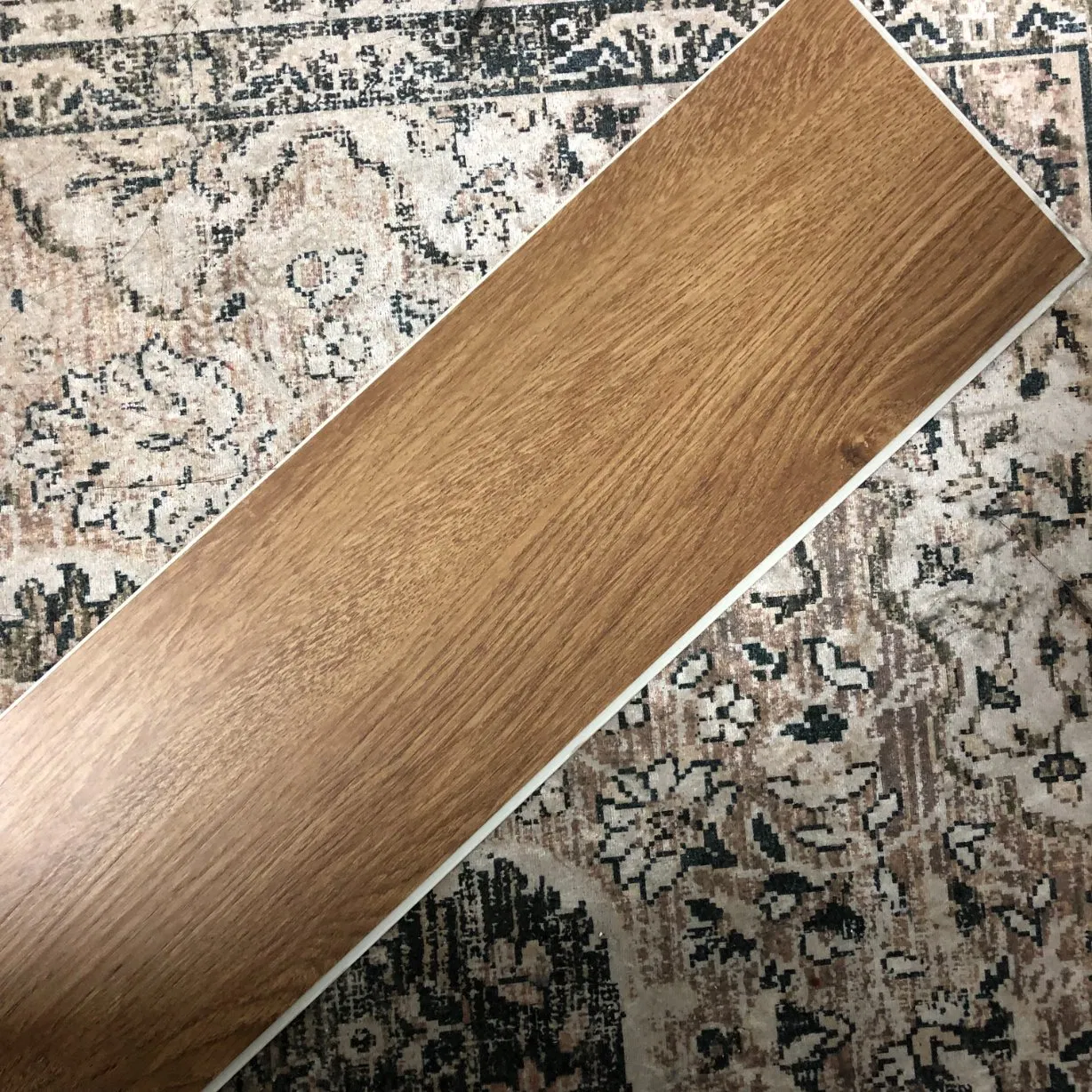
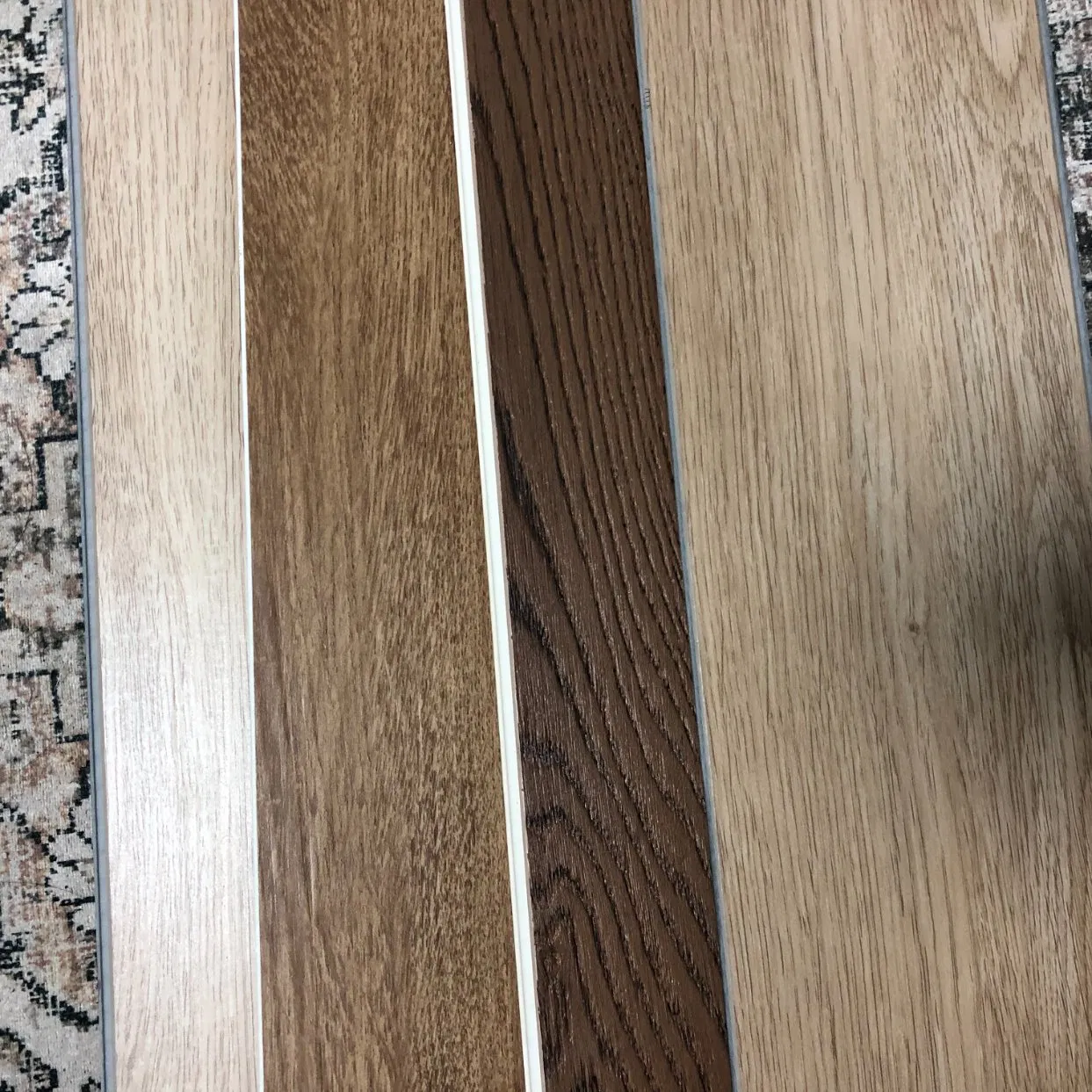
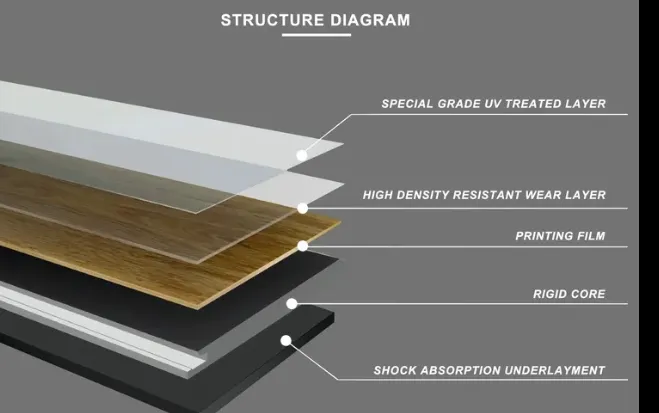
SPC flooring stands for Stone Plastic Composite flooring. It is a popular type of rigid core luxury vinyl flooring. The core is made from a blend of natural limestone powder and polyvinyl chloride, which makes it extremely strong, stable, and durable. One of its best features is that it is 100% waterproof, making it perfect for kitchens, bathrooms, and basements. SPC flooring comes with a printed design layer that can realistically replicate the look of wood or stone. It usually includes a attached underlayment for noise reduction and comfort. Most planks use a click-lock system for easy floating installation over existing subfloors. It is scratch-resistant, pet-friendly, and requires very little maintenance compared to hardwood or laminate.
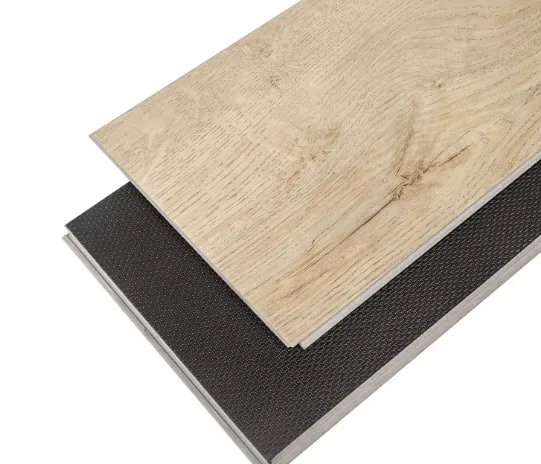
| Feature | Description |
|---|---|
| Core Composition | Stone Plastic Composite core made from limestone powder and virgin PVC for maximum rigidity. |
| Waterproof Performance | 100% waterproof core prevents swelling, mold, and mildew in wet areas like bathrooms. |
| Installation System | Glueless click-lock technology allows for quick floating installation over most subfloors. |
| Surface Durability | Thick wear layer (0.3mm to 0.7mm) resists scratches, stains, and daily foot traffic. |
| Visual Realism | High-definition printing with Embossed-in-Register texture mimics real wood or stone. |
| Comfort Features | Pre-attached IXPE foam underlayment provides sound absorption and thermal insulation. |
| Environmental Safety | Low VOC emissions and phthalate-free materials ensure healthy indoor air quality. |
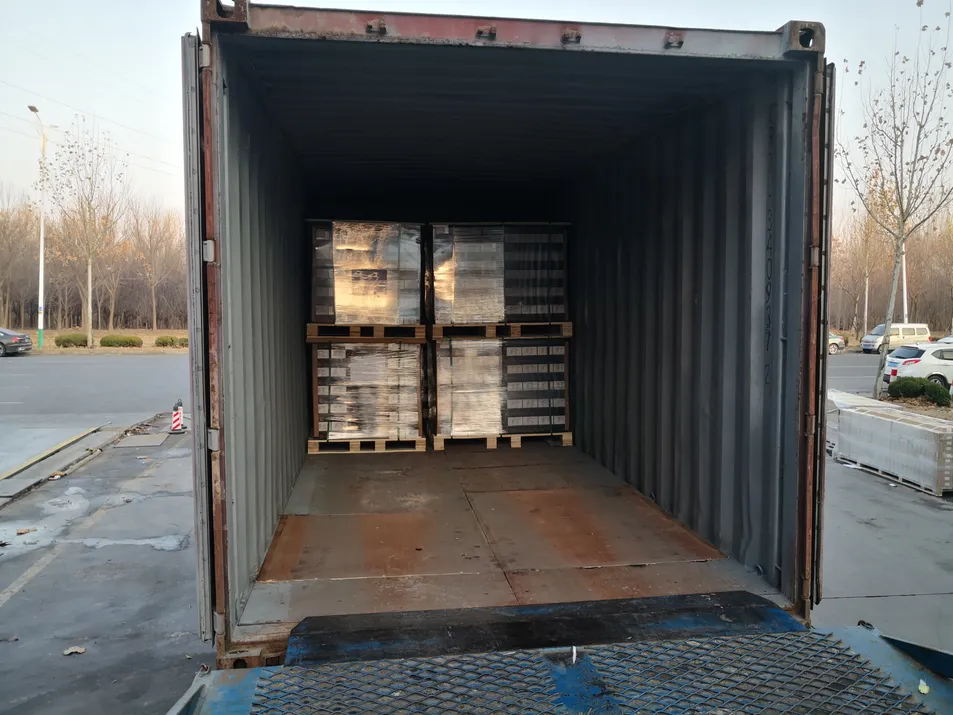
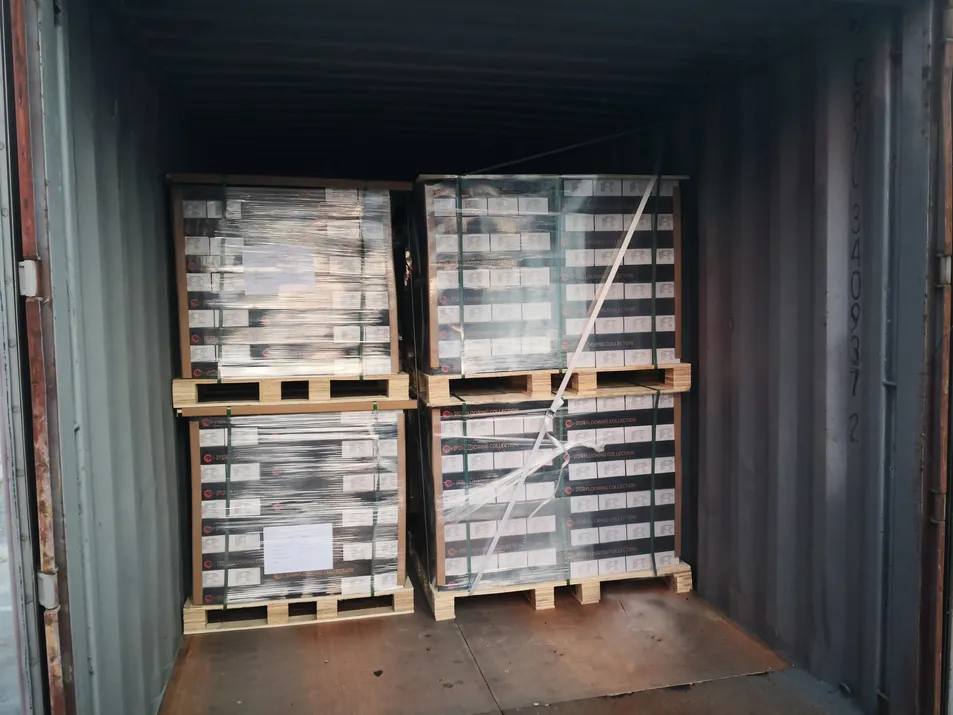
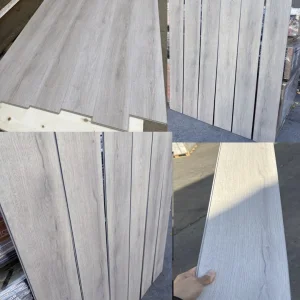
Packaging: SPC flooring planks are carefully packed in strong cardboard boxes. Each box usually contains between 7 and 12 planks, covering about 15 to 25 square feet. Boxes are stacked onto wooden pallets, tightly wrapped with plastic stretch film and corner protectors to ensure safety during transport.
Shipping: Pallets are loaded into 20-foot or 40-foot shipping containers. Inside, pallets are secured with straps and air bags. Once the flooring arrives, it should be stored in a dry indoor area and acclimated for at least 48 hours before installation.