Frequently Asked Questions
Is outdoor bamboo flooring resistant to insects and rot?
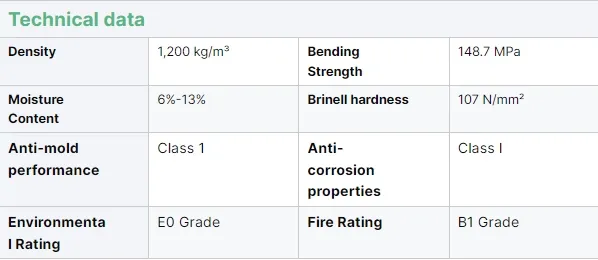
Yes, our bamboo flooring undergoes a special carbonization and anti-corrosion process that makes it highly resistant to insects, mold, and decay.
How is the flooring installed?
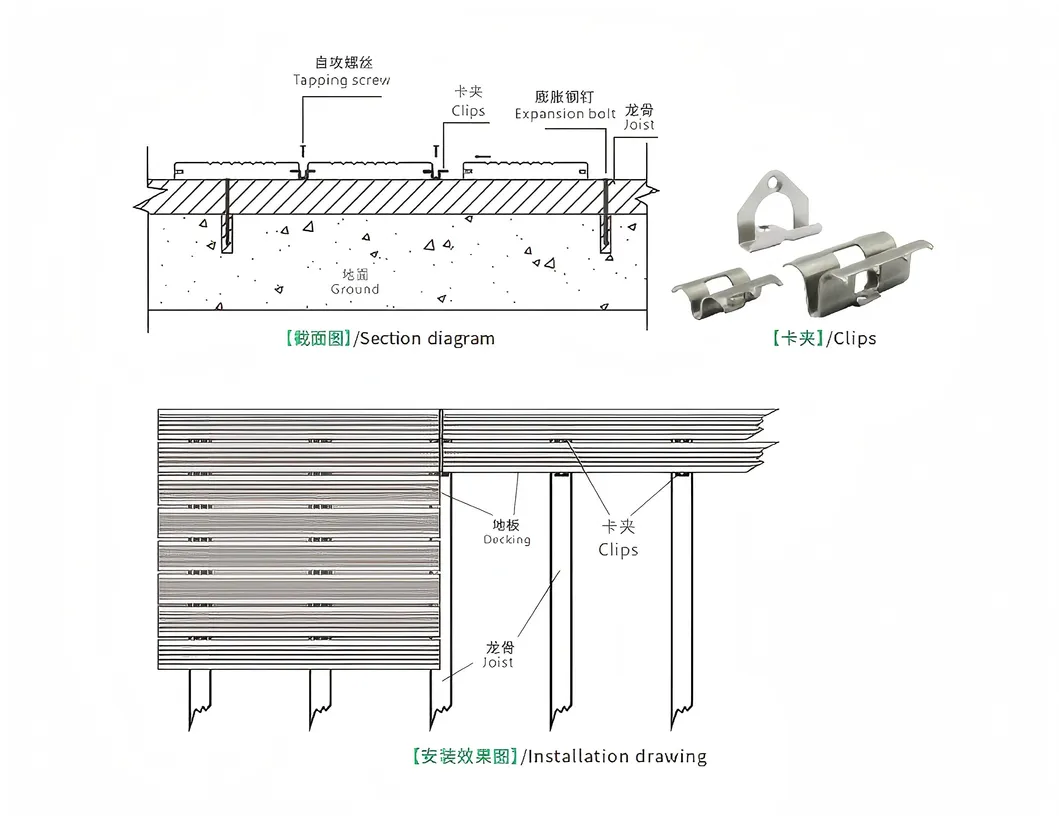
It is typically installed using a hidden fastening system with stainless steel clips, which allows for natural expansion and contraction while keeping the surface smooth.
Can this flooring be used in wet areas like pool decks?
Absolutely. With a water absorption expansion rate of ≤5%, it is highly stable and suitable for patios, balconies, and pool surrounds.
What maintenance does outdoor bamboo flooring require?
Like natural wood, we recommend periodic cleaning and the application of a water-based oil or paint every 1-2 years to maintain its color and finish.
Is bamboo more sustainable than traditional hardwood?
Yes, bamboo matures in 3-5 years compared to decades for hardwoods, making it one of the most eco-friendly and renewable building materials available.
Does the color fade over time?
The carbonized color is deep-seated; however, like all organic materials exposed to UV rays, it may gradually lighten over several years if not maintained with protective oils.
 Prairie Floor