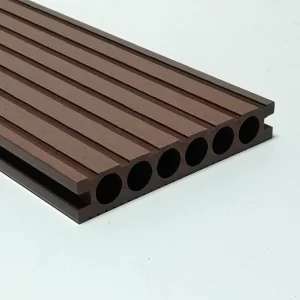
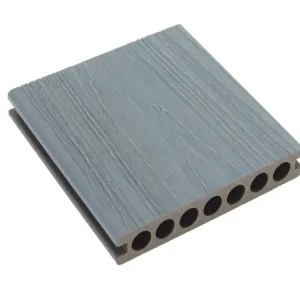
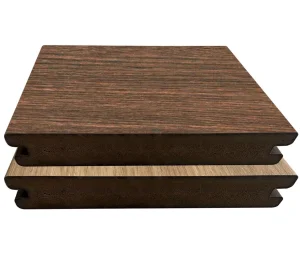
Engineered anti-slip co-extruded wood-plastic composite profiles built for deep moisture resistance and high thermal stability.
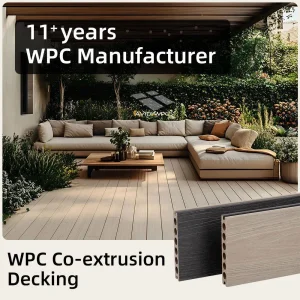
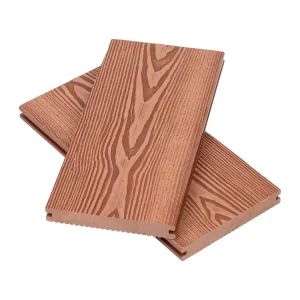
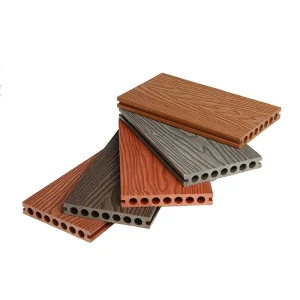
A strategic analysis of modern architectural materials within Sub-Saharan climates, infrastructural expansion, and sustainable mining quarters.
The Democratic Republic of the Congo (DR Congo) is currently undergoing a massive structural transformation. Driven by heavy investments in urban redevelopment projects across Kinshasa, real estate developments in Lubumbashi, and infrastructural expansions in mining hubs such as Kolwezi, the demand for resilient building materials has surged exponentially. Traditionally, natural timber decking was preferred; however, local builders are shifting rapidly to advanced composite solutions due to harsh environmental factors.
The DRC is defined by its equatorial and tropical climates, featuring high rainfall seasons where precipitation can reach upwards of 2,000mm annually, coupled with high relative humidity (averaging 80% to 90%). Under these circumstances, standard lumber decomposes, wraps, and becomes susceptible to destructive wood-boring insects, specifically drywood termites common to Central Africa. Furthermore, the intense ultraviolet (UV) exposure during dry seasons accelerates the bleaching and cracking of raw timber. This dynamic has turned slip-resistant, UV-tempered Wood-Plastic Composite (WPC) decking into an engineering necessity rather than an aesthetic luxury.
1. Eco-Tourism & Hospitality Lodges: High-end eco-lodges situated in the Virunga National Park and bordering Lake Kivu in Goma require structures that integrate seamlessly with natural aesthetics. Slip-resistant WPC maintains its wood-grain appearance while resisting lake moisture, rainfall, and intense mountain sun exposure.
2. Mining Infrastructure Camps: In mining settlements near Kolwezi and Likasi, worker quarters require reliable, low-maintenance outdoor walkways and steps that hold up under heavy industrial footwear and thick mud conditions. Slip-resistant profiles prevent workplace injury.
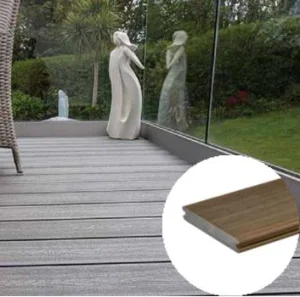
3. Kinshasa Urban Renewal: Rooftop lounges, riverside boardwalks along the Congo River, and diplomatic residential projects in Gombe demand elegant, durable decking that resists stains, chlorine, and UV radiation, retaining its structural integrity for decades.
The global transition from basic wood composites to 2nd-generation protective capping technologies and aluminum hybrid profiles.
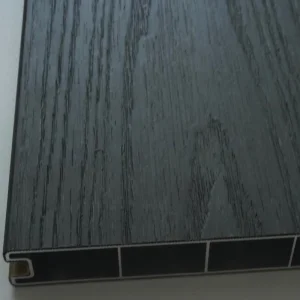
The wood-plastic composite industry has experienced a major technological pivot. The first-generation composite decking was prone to surface fading, moisture absorption, and staining. The modern industry standard is governed by 2nd-Generation Co-Extrusion Technology. This process involves wrapping the inner core of high-density polyethylene (HDPE) and wood fiber with a robust, polymer protective cap layer. This shield locks out moisture, provides UV-resistant coloring, and creates a highly cleanable surface.
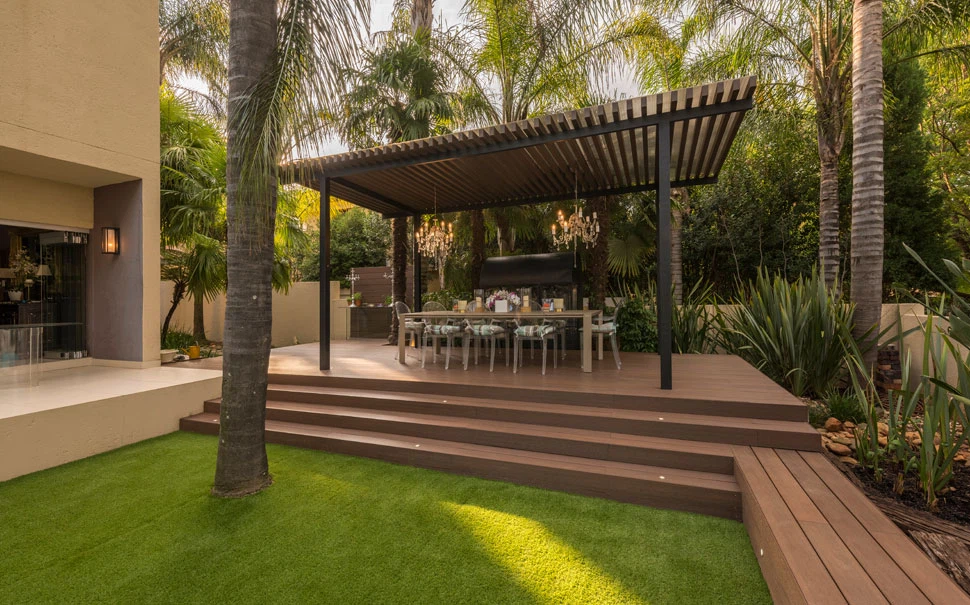
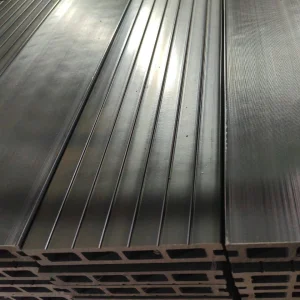
Beyond pure plastics, engineering innovations have introduced hybrid aluminum-WPC decking. Aluminum components provide lightweight structural rigidity, which is optimal for projects requiring wide joist spans and strict fire safety regulations. These profiles combine the thermal efficiency and classic look of composites with the unmatched loading capacity of metal alloys, opening new possibilities for high-rise commercial structures and industrial walkways.
| Property / Standard | Standard Composite Decking | Prairie Floor Co-Extruded Decking | DR Congo Environmental Impact |
|---|---|---|---|
| Slip Resistance (DIN 51130) | R9 - R10 (Low to Medium) | R11 - R12 (High Performance) | Prevents accidents during heavy equatorial rains. |
| UV Degradation (ISO 4892-2) | Fades rapidly, grey shift | Delta E < 4.0 after 2000 hrs | Maintains rich aesthetics under intensive African sun. |
| Moisture Absorption (ASTM D1037) | < 3.0% absorption | < 0.5% absorption | Stops core swelling, structural cracking, and rot. |
| Biological Resistance | Susceptible to fungal attack | No growth / Anti-termite treatment | Ensures long-term structural integrity. |
Anhui Prairie Floor Co., Ltd.: Leveraging advanced automated co-extrusion technology to deliver custom-tailored building materials worldwide.
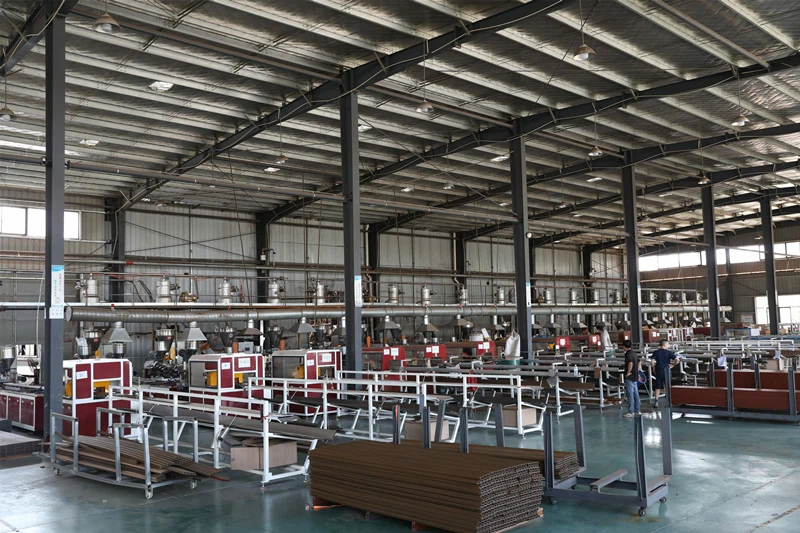
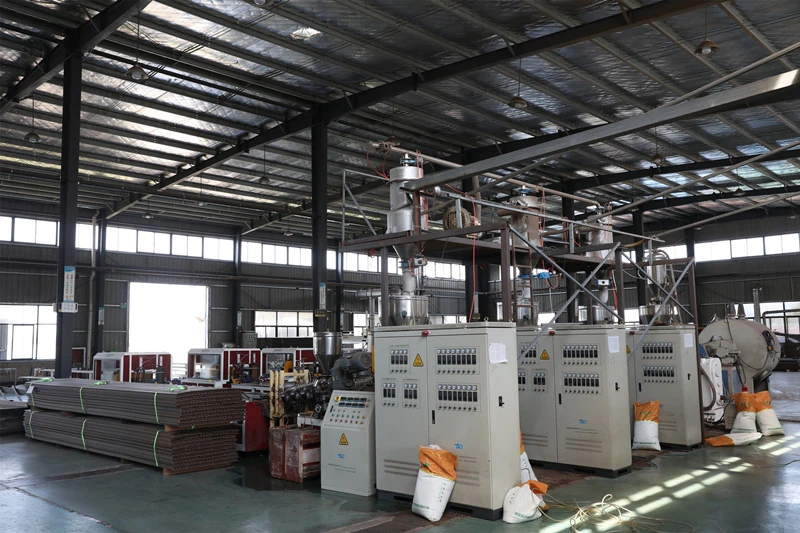
Anhui Prairie Floor Co., Ltd. is a leading manufacturer in the sustainable building products sector. Since our founding, we have focused on converting recycled resources into high-quality WPC products. By minimizing dependency on natural forests, we promote green building solutions globally. Our materials meet strict international benchmarks, certified under ISO 9001 and CE standards, giving builders and developers in Central Africa access to durable, reliable materials.
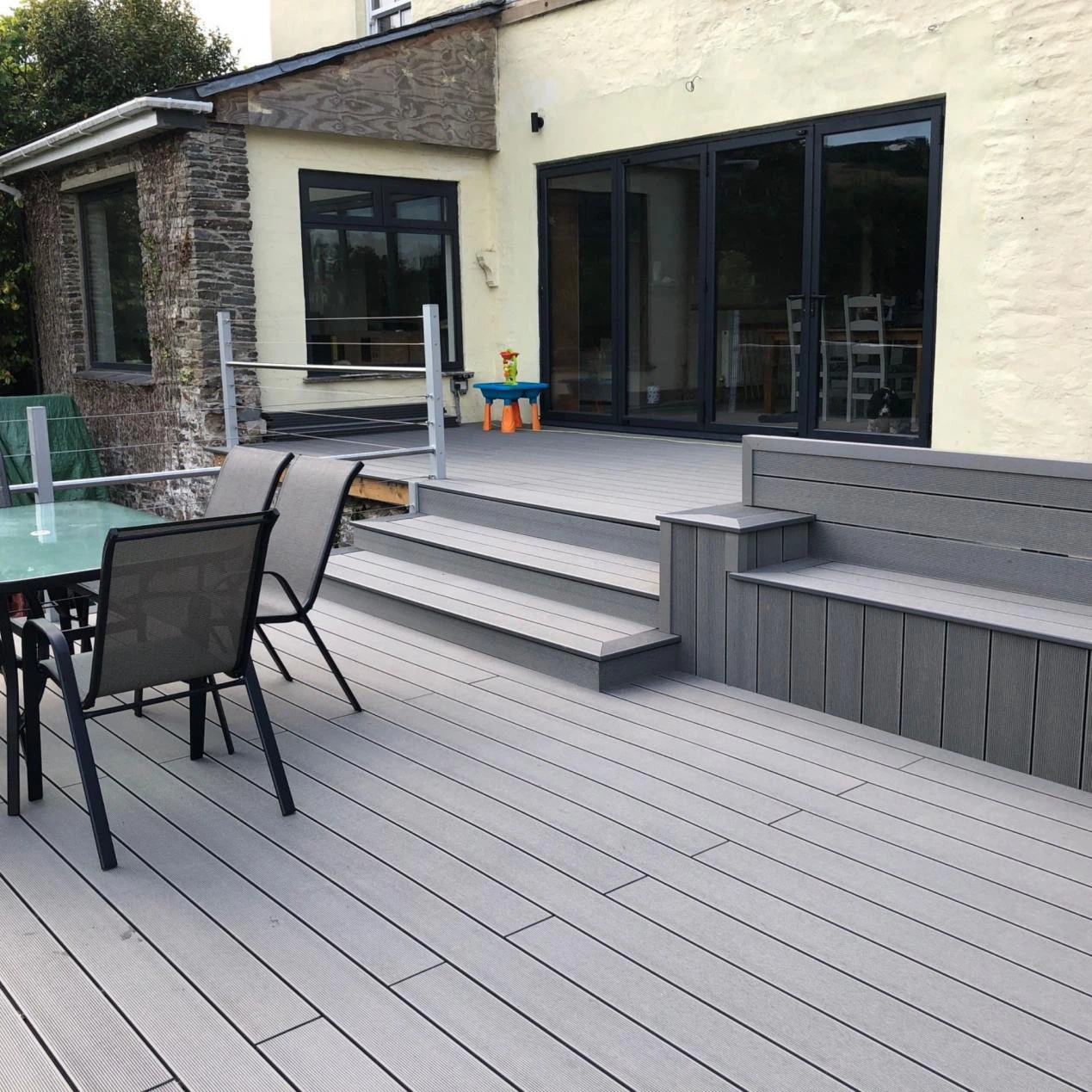
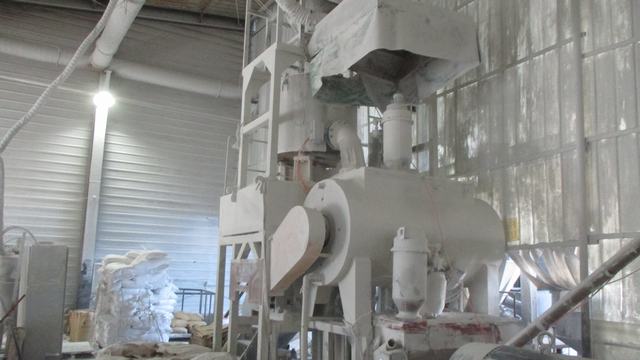
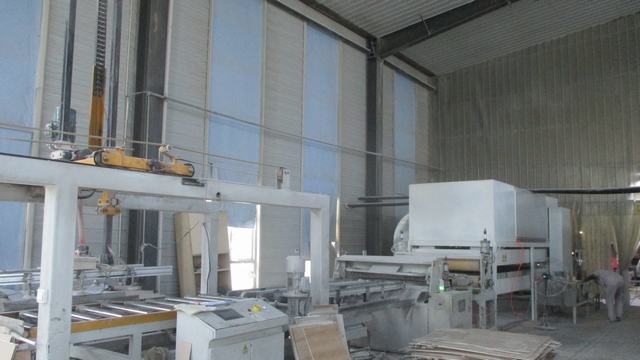
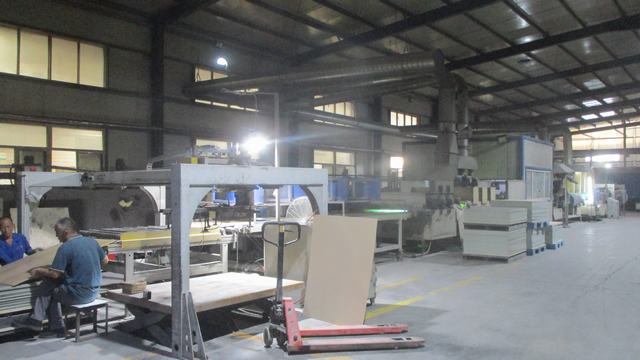
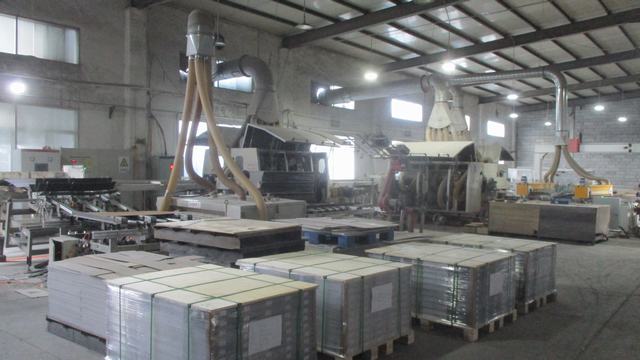
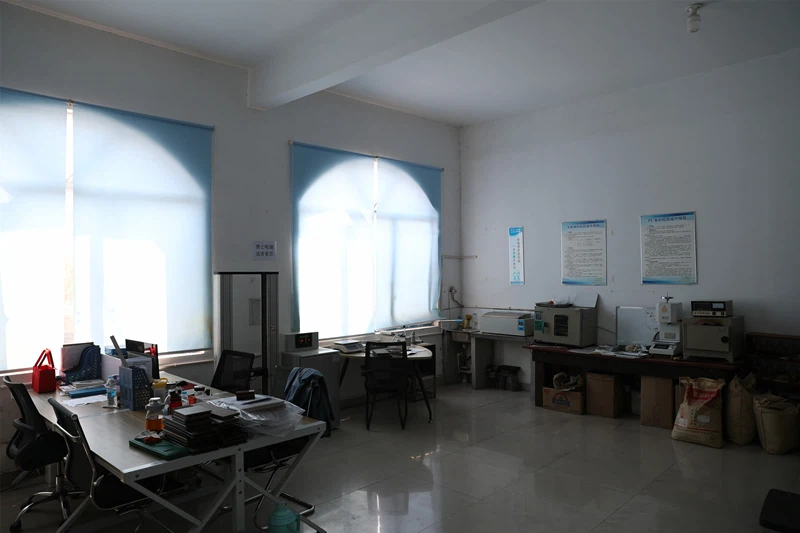
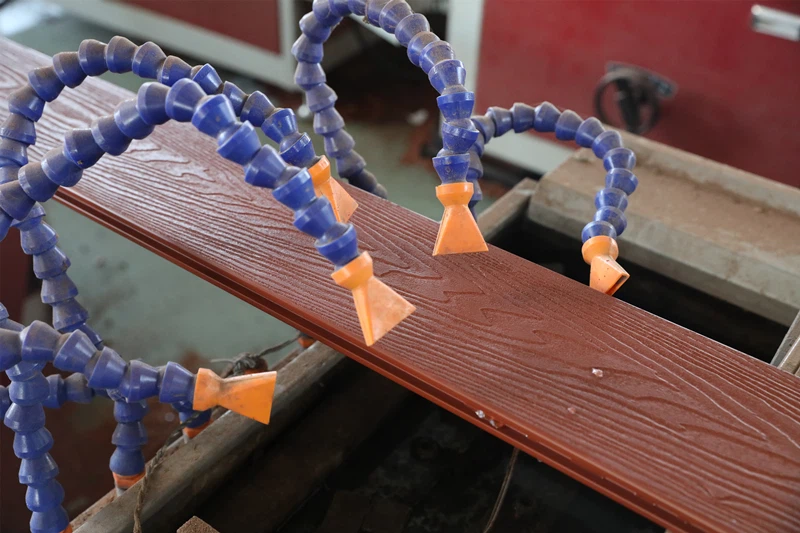
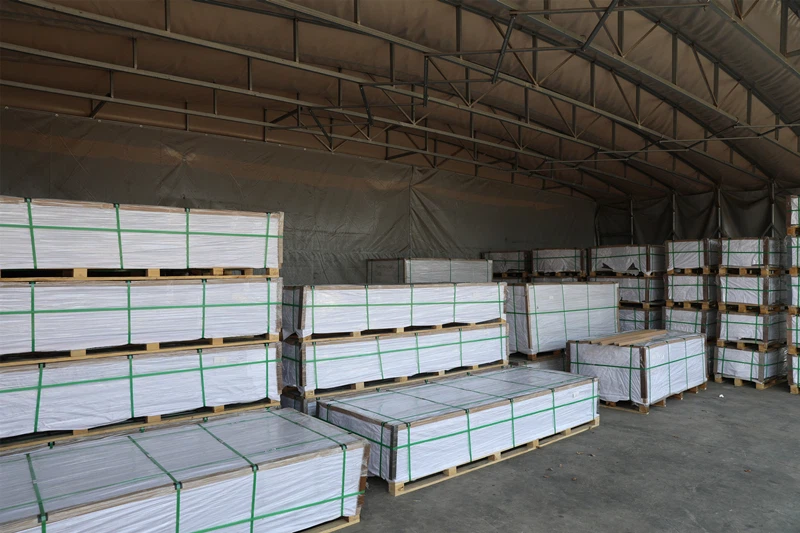
Our manufacturing facilities are built around automated, high-precision extrusion lines that ensure consistent quality. Here is an overview of our specialized manufacturing sequence, which ensures every WPC board matches international engineering tolerances:
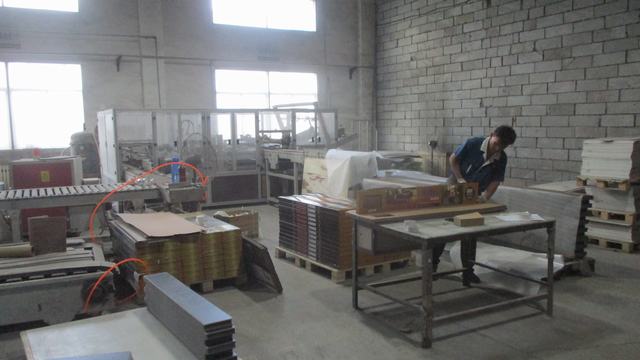
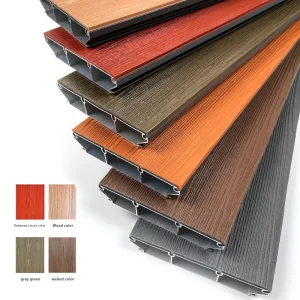
We offer our clients custom options, including seven standard colors and a variety of 3D embossed wood grains. Whether you require custom lengths to minimize waste on-site, specific fire ratings, or custom anti-slip textures, our manufacturing lines can be tailored to meet your project specifications.
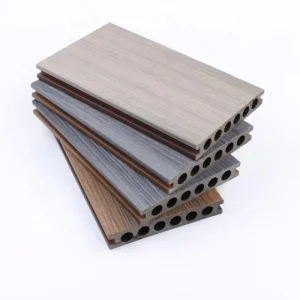
Explore our full range of slip-resistant profiles, structural boards, and specialized materials engineered for humid environments.
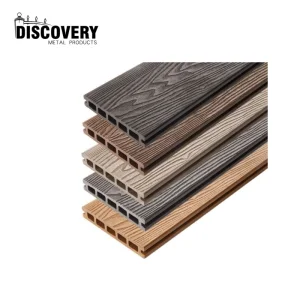
Expert engineering insights addressing structural durability, installation best practices, and international logistics into the DRC.
Our technical team can help you select the right profiles, calculate project materials, and arrange delivery to the DR Congo market.
 Prairie Floor