Why are sustainable floors better for resale value? The answer is practical, but not perfectly simple. Buyers increasingly notice materials that look durable, healthy, and responsibly sourced. A floor also creates an immediate emotional impression. Imagine a bright oak surface, cool under bare feet, without strong chemical odors after installation.
Professional reports support this shift. The National Association of Realtors’ 2023 Realtors and Sustainability Report found that 46% of surveyed agents considered promoting energy efficiency in listings valuable to clients. The report also showed growing interest in sustainability during property marketing. Flooring is not energy efficiency, but the same buyer mindset often applies. Durable bamboo, reclaimed timber, recycled-content carpet, and low-emitting finishes can reduce replacement concerns. They may also support stronger buyer confidence during inspections.
The U.S. Environmental Protection Agency explains that indoor pollutant levels can be two to five times higher than outdoor levels. Low-VOC adhesives and finishes may therefore strengthen a home’s indoor-environment story. However, flooring alone cannot guarantee a higher sale price. Local demand, installation quality, documentation, and overall maintenance still matter.
Carl Elefante, FAIA, a former president of the American Institute of Architects, famously said, “The greenest building is the one already built.” His point applies to floors too. Keeping a durable floor in service can avoid unnecessary waste and renovation costs. Yet resale evidence remains less direct than marketing claims suggest. Sustainable flooring is best presented as one credible value signal, not a guaranteed premium. Clear product certifications, receipts, and care records make that signal more trustworthy.
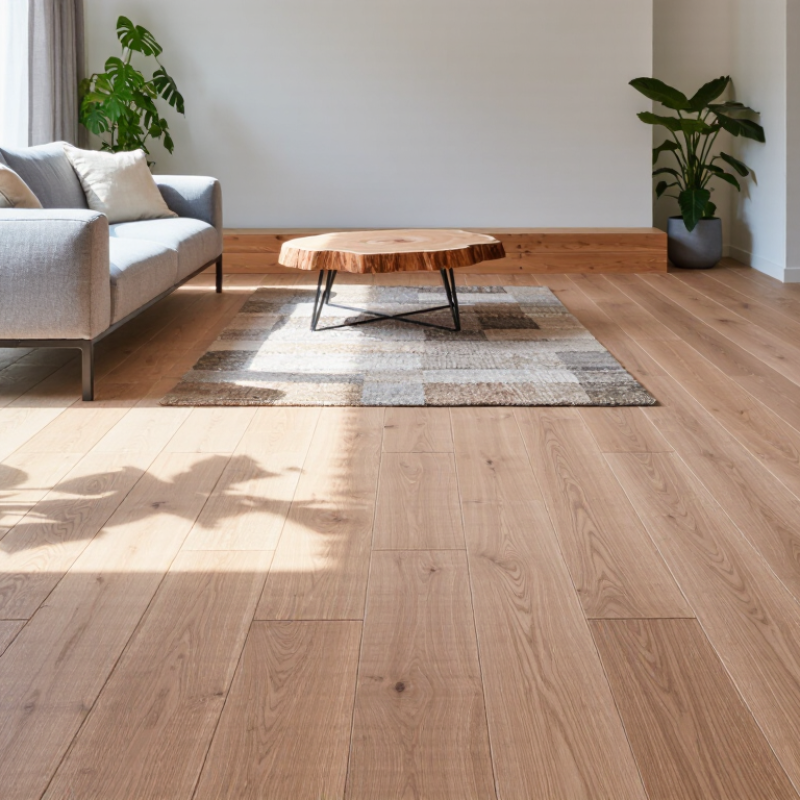
A sustainable floor is judged across its entire life, not by recycled content alone. ISO 14040 defines life-cycle assessment as a framework covering raw materials, manufacturing, transport, use, and disposal. This changes the buying question. A low-impact floor should also remain durable under daily traffic, moisture, cleaning, and repairs.
The numbers make this practical. The 2023 Global Status Report for Buildings and Construction found that buildings produced 37% of global energy-related and process emissions. Flooring is only one component, but every material choice contributes. In the United States, the Environmental Protection Agency estimated 600 million tons of construction and demolition debris in 2018. Replacement waste matters.
For resale, buyers may value floors with documented environmental product declarations, verified manufacturing data, and realistic maintenance needs. A longer service life can reduce future replacement costs and renovation disruption. Transparent life-cycle information also gives appraisers and inspectors stronger evidence than vague “green” language. However, sustainability does not guarantee a higher selling price. Local preferences, installation quality, indoor air quality, and visible wear still influence decisions.
I have seen beautiful floors fail because water entered poorly sealed edges. That is the uncomfortable lesson: a sustainable specification can perform badly when installation is careless. A thoughtful assessment should compare impacts per year of service, not only impacts per square metre.
It can, especially when the floor looks durable, clean, and well installed. A 2022 remodeling report estimated 118% cost recovery for new wood flooring. That figure is guidance, not a promise. Local prices and buyer preferences can change the result.
Wood flooring feels warm, photographs clearly, and may last for many years. Some surfaces can be refinished instead of replaced. That may reduce future waste and renovation costs. Clean edges matter.
No. Labor costs, wood quality, installation standards, and local demand affect the outcome. Poor fitting can cause creaking, gaps, or uneven color. Those flaws may reduce buyer interest quickly.
Clear sourcing documents show where the timber came from. They may reassure environmentally aware buyers. Keep certificates, invoices, and supply-chain details together. Paperwork helps.
No. Certification supports trust, but it cannot guarantee good installation or lasting performance. Moisture control, surface condition, and maintenance records remain important. I once assumed certification would speak for itself. Missing paperwork created hesitation.
Keep product specifications, invoices, installation records, and certification documents. Photograph the floor before furniture covers it. Record cleaning products and repair dates. Clear evidence helps more than attractive claims.
An appraiser may inspect scratches, moisture performance, installation quality, and expected service life. They may also check wear near kitchens, hallways, and furniture edges. A sound floor after heavy foot traffic offers useful evidence.
Place mats near entry doors to reduce grit and surface scratches. Repair small damage early. Follow simple cleaning instructions. Avoid overly polished finishes that look artificial. I may be wrong, but cared-for flooring often feels more convincing.
Why are sustainable floors better for resale value? They combine environmental responsibility with practical benefits that buyers and appraisers can recognize. A sustainable floor is evaluated across its full life cycle, including material sourcing, manufacturing, installation, maintenance, durability, and end-of-life disposal. Flooring made from responsibly managed wood, recycled content, or long-lasting materials can reduce replacement needs and support healthier, more efficient homes.
Industry findings also suggest that new wood flooring may recover more than its original cost, with one 2022 report estimating a 118% cost recovery. Research on certified green homes has found premiums of approximately 8%, indicating that verified environmental features can strengthen buyer confidence. Responsible-forestry certification further reassures purchasers that wood was sourced with environmental and social standards in mind. When appraisers assess sustainable flooring, they consider its lifespan, low maintenance requirements, quality, certification documentation, and contribution to overall home performance. Together, these factors can make sustainable floors a compelling investment for resale.

 Prairie Floor