Top 10 Ways to Prevent Mold Under Basement Vinyl Flooring

Time:2026-10-08 Author:Liam
0%

Basement vinyl flooring often looks clean while moisture quietly collects beneath it. Cold concrete, tiny plumbing leaks, damp edges, and trapped condensation create favorable conditions for hidden mold. Vinyl resists surface water, but seams and imperfect subfloors can still allow moisture below. The floor may feel slightly soft before visible staining appears.

The U.S. Environmental Protection Agency recommends keeping indoor relative humidity between 30% and 50%. Its mold guidance also advises drying wet materials within 24 to 48 hours whenever possible. The Centers for Disease Control and Prevention similarly recommends controlling humidity and repairing leaks quickly. These figures are practical benchmarks, not guarantees. A poorly ventilated basement can develop trouble even when one humidity reading looks acceptable.

This guide explains How to prevent mold under basement vinyl flooring through moisture testing, ventilation, subfloor preparation, leak control, and careful installation. It also reflects principles from the IICRC S520 Standard for Professional Mold Remediation, which emphasizes finding and correcting the moisture source. A moisture meter, flashlight, and slow inspection can reveal more than appearance alone. Check around wall edges, floor drains, utility penetrations, and seams after heavy rain. Small details matter.

No checklist is perfect. Experience sometimes exposes mistakes that a clean inspection misses. For example, a sealed floor can trap moisture instead of solving it. These ten prevention methods combine recognized building-science guidance with practical basement observations. They are intended to support informed maintenance, not replace qualified assessment after flooding, persistent odors, or extensive microbial growth.
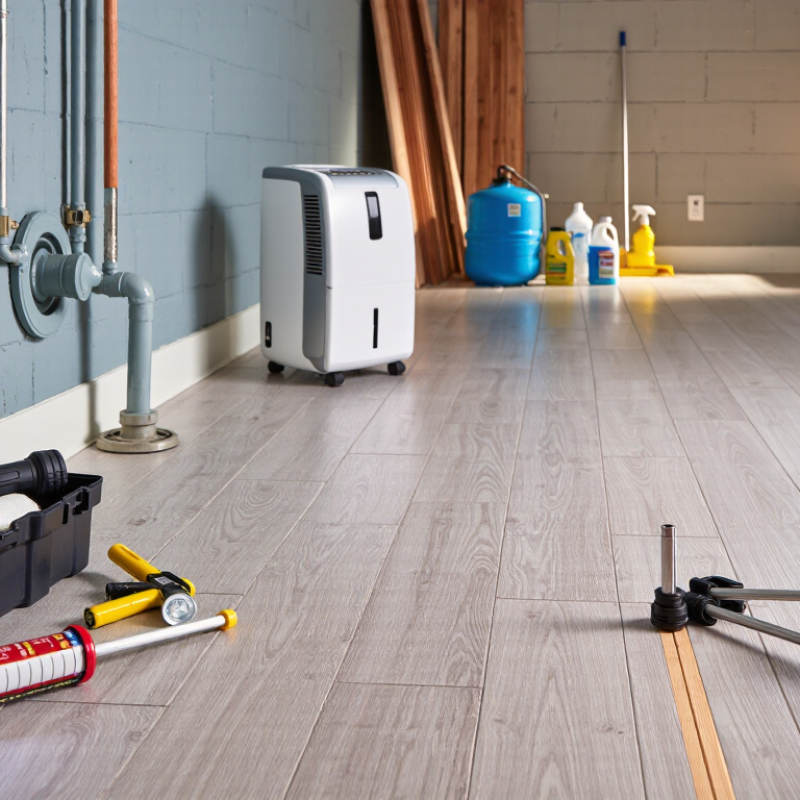
Top 10 Ways to Prevent Mold Under Basement Vinyl Flooring

Assess Basement Moisture Sources Before Installing Vinyl Flooring

Top 10 Ways to Prevent Mold Under Basement Vinyl Flooring

Before installing vinyl flooring, investigate why the basement feels damp. Check walls, corners, floor joints, and pipe penetrations for staining, peeling paint, or a musty smell. Use a moisture meter on the concrete, but do not trust one reading. Test several areas, including near exterior walls and floor drains. A dry surface can hide moisture beneath it.

Inspect gutters, downspouts, grading, sump equipment, and plumbing connections. Water should move away from the foundation, not collect beside it. A dehumidifier can help control indoor humidity, but it cannot repair seepage or a leaking pipe. Clean and dry the slab completely. Repair cracks when appropriate, then follow the flooring instructions for concrete moisture limits and underlayment requirements. A qualified building or flooring professional can confirm difficult conditions.

Tips

Keep basement humidity near 30–50 percent with a reliable hygrometer. Leave stored boxes off the floor. Do not install over damp adhesive, fresh concrete, or visible mold. Ventilate carefully during repairs, and wear suitable protective equipment when cleaning contaminated areas. I used to underestimate small leaks around utility lines; they can create large hidden problems. Recheck the basement after heavy rain. That is when weak drainage often reveals itself.

Prepare a Clean, Dry, and Mold-Resistant Subfloor

A clean, dry subfloor is the foundation of mold prevention beneath basement vinyl flooring. Begin by checking for seepage, plumbing leaks, condensation, and musty odors. Look closely at wall edges and floor cracks. These areas often hide moisture.

Remove dust, adhesive residue, and loose debris before installation. A vacuum with fine-particle filtration helps, but it cannot replace proper cleaning. Repair cracks and level uneven spots with suitable materials. Let every repair cure fully. Do not rush this stage.

Concrete should be tested for moisture according to the flooring manufacturer’s requirements. A basic plastic-sheet test may reveal dampness, but it is not a complete diagnosis. Use a reliable moisture meter when possible. If readings remain high, identify the source before covering the floor. Sealing trapped moisture can encourage mold growth later.

Keep the basement’s relative humidity below 60 percent with ventilation or dehumidification. The subfloor must feel dry, not merely look dry. I once underestimated a cool concrete surface because it appeared clean. That mistake could have trapped moisture under new flooring.

For wood-based subfloors, replace swollen or softened sections and leave adequate airflow around the structure. Choose a moisture-resistant underlayment approved for basement use. Follow the installation instructions carefully, especially around seams and perimeter gaps. Mold-resistant does not mean mold-proof. Persistent dampness needs attention from a qualified building or moisture professional.

Top 10 Ways to Prevent Mold Under Basement Vinyl Flooring - Prepare a Clean, Dry, and Mold-Resistant Subfloor

No. Prevention Method What to Do Before Installing Vinyl Flooring Practical Target or Check Recommended Timing
1 Control Basement Humidity Use a properly sized dehumidifier and keep air moving throughout the basement. Avoid allowing humid air to remain trapped beneath furniture or near exterior walls. Maintain indoor relative humidity below 60%; approximately 30%–50% is generally preferred when practical. Monitor with a hygrometer continuously, especially during warm and humid seasons.
2 Stop Water Intrusion Repair foundation cracks, leaking pipes, failed window wells, plumbing leaks, and seepage at wall-to-floor joints before covering the floor. No active leaks, damp patches, standing water, or recurring wet spots. Correct the source first, then observe the area through wet weather before installation.
3 Improve Exterior Drainage Keep gutters and downspouts clear, direct downspouts away from the foundation, and maintain soil grading so surface water drains away from the basement walls. Rainwater should discharge away from the foundation without pooling beside the house. Inspect at least twice a year and after heavy storms.
4 Clean the Existing Surface Remove dust, dirt, adhesive residue, loose paint, grease, and organic debris. If mold is present, address it safely before installing any flooring. The surface should be clean, free of visible growth, and free of loose or crumbling material. Complete immediately before moisture testing and floor preparation.
5 Dry the Subfloor Thoroughly Use ventilation, fans, and dehumidification to dry concrete or wood subflooring. Do not cover a surface that feels damp or has recently been exposed to water. The subfloor must meet the flooring manufacturer’s moisture limit; there should be no condensation or dampness. Allow sufficient drying time after cleaning, leaks, or construction; verify with a moisture meter.
6 Test Subfloor Moisture Use an appropriate concrete or wood moisture meter and test multiple locations, including perimeter walls, seams, low spots, and areas near plumbing. Readings must comply with the vinyl flooring and adhesive installation instructions; use the strictest applicable limit. Test before installation and repeat after any significant leak or humidity event.
7 Level and Repair the Subfloor Fill cracks and depressions with a compatible repair compound, remove high spots, and replace damaged wood panels. Eliminate areas where water could collect. The surface should be structurally sound, smooth, dry, and within the flooring manufacturer’s flatness tolerance. Finish repairs and allow all compounds to cure fully before laying vinyl.
8 Use the Correct Moisture Barrier Follow the vinyl product’s installation requirements. Where permitted, install an approved vapor-control or moisture-mitigation system suitable for the subfloor and adhesive. Use only a system compatible with the flooring; do not add an unapproved underlayment or barrier that can trap moisture. Install after the subfloor passes moisture and cleanliness checks.
9 Seal Vulnerable Edges and Penetrations Treat joints, wall-floor transitions, pipe penetrations, and other pathways according to the flooring and building-material instructions. Maintain required expansion gaps. Edges should not provide an easy route for liquid water or humid air while still allowing the floor system to perform as designed. Complete during preparation and inspect after installation.
10 Inspect and Maintain the Finished Floor Clean spills promptly, avoid excessive wet mopping, inspect seams and perimeter edges, and check the basement for musty odors or elevated humidity. Keep the surface dry and investigate bubbling, lifting, discoloration, odors, or recurring dampness promptly. Check monthly and after plumbing leaks, flooding, storms, or extended power outages.

Important: Always follow the specific vinyl flooring, adhesive, underlayment, and moisture-mitigation instructions. Moisture limits and installation requirements vary by product and subfloor type.

Install an Effective Moisture Barrier Beneath the Flooring

Top 10 Ways to Prevent Mold Under Basement Vinyl Flooring

An effective moisture barrier begins with a dry, stable concrete slab. Vinyl flooring can resist surface water, but trapped moisture may feed mold underneath. Test the slab with a calcium chloride kit or an approved moisture meter before installation. Do not rely on touch alone. The floor may feel dry while releasing vapor.

Repair plumbing leaks and wall seepage first. Then clean dust, oil, and loose particles from the concrete. Choose a moisture barrier designed for basement flooring, and confirm that it suits your vinyl system. Overlap sheet seams as directed, seal them carefully, and extend protection toward the wall edges. Small gaps matter. A barrier installed over wet concrete can trap trouble instead of preventing it. I have seen otherwise neat floors fail because installers rushed this step.

Tips: Keep indoor humidity below 60 percent with ventilation or a dehumidifier. Leave the flooring in the basement while it acclimates, if the installation instructions allow it. Press the barrier flat, without punctures or folded sections. Check corners and pipe openings twice. I would also photograph the sealed seams before covering them; it makes later inspection easier. This detail feels unnecessary, until a damp odor appears months later. Ensure floor drains and exterior grading direct water away from the foundation.

Control Humidity and Improve Basement Air Circulation

Top 10 Ways to Prevent Mold Under Basement Vinyl Flooring

Humidity control is the foundation of mold prevention beneath basement vinyl flooring. Keep indoor relative humidity between 30% and 50%. A simple hygrometer can reveal hidden moisture problems before flooring starts to smell. Check readings near exterior walls, corners, and floor drains. These areas often stay cooler and collect condensation.

Use a dehumidifier during damp seasons, and empty or drain it regularly. Set it below 50%, but inspect the basement daily at first. I once trusted a machine’s setting without checking the room. The floor still felt clammy. That mistake taught me to compare readings from two locations. Keep furniture several inches from walls, so air can move behind it. Run an exhaust fan during laundry, cleaning, or other moisture-producing activities. Avoid directing warm, humid air into closed floor cavities.

Improve circulation with a low-speed fan that moves air across the room, not directly into the vinyl seams. Cold air can create condensation when it meets a damp concrete slab. Maintain steady basement temperatures, and seal obvious air leaks around windows and pipes. Never install new flooring over a wet slab. Test the concrete with a moisture meter, or ask a qualified flooring professional to evaluate it. Lift a small edge of existing vinyl occasionally and inspect for dark staining, musty odors, or soft adhesive. If mold covers a large area, professional assessment is safer than disturbing it yourself.

Top 10 Ways to Prevent Mold Under Basement Vinyl Flooring

Control humidity and improve basement air circulation to keep the subfloor and vinyl flooring dry.

Recommended Moisture-Control Targets

  1. Keep basement relative humidity ideally between 30% and 50%.
  2. Use a dehumidifier when humidity approaches or exceeds 60%.
  3. Improve air circulation with properly placed fans or mechanical ventilation.
  4. Repair plumbing leaks, foundation cracks, and condensation problems promptly.
  5. Dry wet flooring, insulation, and building materials within 24–48 hours.
  6. Use a moisture-resistant underlayment approved for below-grade flooring.
  7. Install a properly sealed vapor barrier where local building guidance requires one.
  8. Keep gutters clear and direct roof runoff away from the foundation.
  9. Maintain positive drainage around the basement exterior.
  10. Inspect beneath and around vinyl flooring regularly for odor, dampness, or discoloration.

Why it matters: Mold growth is strongly associated with persistent moisture. Maintaining indoor relative humidity below 60%, with an ideal range of 30–50%, reduces condensation and limits the moisture available to mold. Wet materials should be dried within 24–48 hours whenever possible.

Inspect Regularly and Address Water Problems Without Delay

Top 10 Ways to Prevent Mold Under Basement Vinyl Flooring

Inspect Regularly and Address Water Problems Without Delay

Vinyl flooring can hide dampness, especially around seams, wall edges, and floor drains. Inspect these areas every month. Look for lifted planks, dark marks, soft spots, or a musty smell. Check after heavy rain, plumbing leaks, or snowmelt. A small stain may signal moisture beneath the entire surface. Do not rely only on appearance.

The U.S. Environmental Protection Agency reports that wet materials should be dried within 24 to 48 hours to limit mold growth. Keep basement humidity between 30% and 50%, as EPA guidance recommends. Use a hygrometer near the floor, not only near the ceiling. A dehumidifier helps, but it cannot repair seepage or a failed drain. Find the water source first.

Lift a small flooring section when safe, then inspect the subfloor with a moisture meter. Record readings, dates, odors, and visible changes. This creates useful evidence for a qualified remediation professional. I sometimes inspect too quickly. That is a mistake. Mold may remain hidden under adhesive or beneath a damp underlayment. Follow the IICRC S520 principles for assessment and remediation, and avoid trapping moisture with new flooring. Dryness must be verified before repairs.

FAQS

How dry should a basement subfloor be before installing vinyl flooring?

It must be verified dry, not merely clean-looking. Test concrete with a reliable moisture meter. If readings stay high, find the water source before covering it.

What areas should I inspect for hidden moisture?

Check wall edges, floor cracks, seams, corners, and floor drains. These cooler areas often collect condensation. Watch for dark marks, lifted planks, soft spots, or musty odors.

What humidity level helps prevent mold beneath basement flooring?

Keep relative humidity between 30% and 50%. Use a hygrometer near the floor, not only near the ceiling. Small details matter here.

Can a dehumidifier solve every basement moisture problem?

No. It reduces humidity but cannot repair seepage, plumbing leaks, or failed drainage. Empty or drain it regularly, and inspect the room daily at first.

How should I prepare a concrete subfloor?

Remove dust, adhesive residue, and loose debris. Repair cracks and uneven areas with suitable materials. Let every repair cure fully before installation.

Is mold-resistant underlayment completely mold-proof?

No. Mold-resistant materials still need a dry subfloor and controlled humidity. Persistent dampness can cause problems underneath, despite good materials.

How often should basement vinyl flooring be inspected?

Inspect it monthly and after heavy rain, leaks, or snowmelt. Check seams and edges carefully. A small stain may indicate wider moisture below.

What should I do if I find possible mold under the flooring?

Avoid disturbing large affected areas yourself. Record odors, readings, dates, and visible changes. Seek a qualified moisture or remediation professional for safer assessment.

How quickly should wet basement materials be dried?

Dry them within 24 to 48 hours when possible. Faster drying can limit mold growth. I sometimes inspect too quickly, and hidden dampness can remain.

Conclusion

Preventing mold beneath basement vinyl flooring begins with understanding and controlling moisture before installation. Inspect the basement for leaks, condensation, groundwater seepage, and plumbing problems, then resolve these issues before laying the floor. The subfloor should be clean, smooth, fully dry, and free from existing mold or organic debris. Repair cracks, remove damaged materials, and use suitable mold-resistant preparation methods where needed. A properly installed moisture barrier beneath the vinyl can help limit vapor movement from the concrete and reduce the risk of hidden dampness.

Learning how to prevent mold under basement vinyl flooring also requires ongoing moisture management. Keep basement humidity at a moderate level, improve air circulation, and avoid blocking vents or airflow pathways. Check the flooring, edges, walls, and nearby plumbing regularly for signs of moisture, odors, lifting, or discoloration. Address leaks, flooding, or condensation immediately, dry affected areas thoroughly, and confirm that the subfloor is dry before making repairs. Consistent inspections and prompt action help preserve the flooring and create a healthier basement environment.

Liam

Liam

Liam is a dedicated marketing professional with a profound expertise in the industry, where he excels at highlighting the unique advantages of our core products. With a keen understanding of market trends and consumer needs, Liam frequently updates our company’s professional blog, providing......