How to Transition Between Different Flooring Types Effectively?

Time:2026-08-29 Author:Aria
0%

Transitioning between different flooring types can be a challenging task. It requires planning and attention to detail. Properly handling these transitions is essential for aesthetics and functionality. When you understand how to transition between different types of flooring, you create a seamless flow throughout your space.

Different flooring materials may require unique transition methods. For example, hardwood and tile need careful selection of transition strips. The right choice can enhance the room’s overall look. It's important to consider the height differences and the expansion gaps required for each type. Some may overlook these details, leading to mismatched heights or tripping hazards.

Investing time in learning about different flooring types is beneficial. Not everyone knows that the transition between carpet and laminate needs specific considerations. Seeking professional advice can help ensure quality results. While it might feel overwhelming, understanding how to transition between different types of flooring can lead to a beautifully completed project.
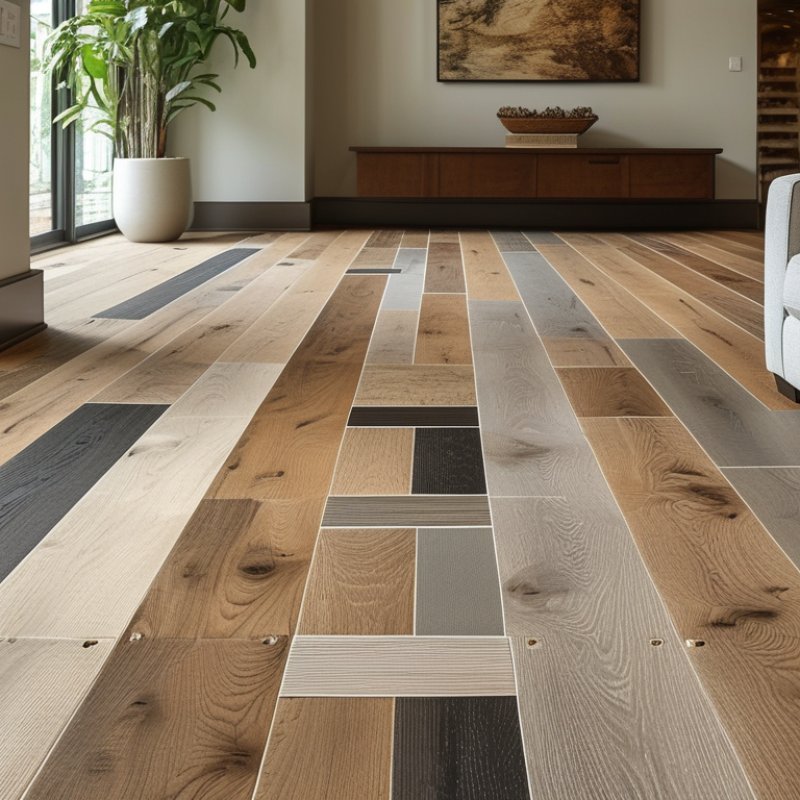
How to Transition Between Different Flooring Types Effectively?

Understanding Different Flooring Types and Their Characteristics

Choosing the right flooring type requires an understanding of their distinct characteristics. Wood flooring, for instance, offers warmth and aesthetic appeal. Data from the National Wood Flooring Association indicates that 90% of homebuyers prefer hardwood floors. In contrast, tile flooring excels in moisture resistance and durability, making it ideal for bathrooms and kitchens.

According to the Tile Council of North America, tiles are up to 80% more water-resistant than traditional wood options.

Vinyl flooring stands out for its affordability and ease of installation. It’s available in various styles mimicking other materials, appealing to budget-conscious homeowners. Research shows that luxury vinyl tile can reduce installation time by 30% compared to traditional materials. While these flooring options have advantages, they are not without flaws. Wood can warp in humid conditions, while tiles may crack under heavy impact.

Transitioning between these types requires careful planning. Consider height differences, as wood and tile may create uneven surfaces. Utilizing transition strips can provide a seamless look, but may not always match the surrounding decor. Reflecting on the unique benefits and drawbacks of each type can help create a cohesive design while addressing the practicalities of your space. Make informed choices to ensure functionality meets style in your flooring selection.

Assessing Your Space for Effective Flooring Transitions

When assessing your space for effective flooring transitions, it's crucial to consider the flow and functionality of the area. An industry report from the National Wood Flooring Association indicates that proper transitions can enhance the aesthetic appeal by as much as 20%. This is key for both residential and commercial spaces. For example, connecting hardwood to tile requires a thorough understanding of both materials' characteristics.

It's important to evaluate the height differences between flooring types. The average height variation can make or break a transition. According to data from the International Surface Fabricators Association, a smooth transition reduces trip hazards by approximately 40%. Choosing the right transition strips can help create a seamless look. Sometimes, the details matter, and overlooking height can lead to an unsightly and potentially dangerous gap.

Consider the overall design of your space. The color and pattern of your flooring should complement each other. Reports highlight that cohesive flooring choices can elevate property value by nearly 15%. Pay attention to lighting as well; it can significantly change the perception of your flooring types. Investing time in these details will ensure a well-executed transition, enhancing both safety and aesthetics.

Planning Your Transition Design for Visual Flow

When designing transitions between different flooring types, visual flow is essential. This flow enhances the space and creates a cohesive look. Colors and textures should complement each other, providing harmony rather than chaos. Consider the function of each area. A room with heavy foot traffic may require more durable materials compared to a quieter space.

Using similar tones can help. If one room features warm wood tones, choose a complementary tile for the adjacent area. However, be cautious with stark contrasts. They can disrupt the visual flow and make the space feel disjointed. Gradual transitions, using borders or trim, can soften the change. This can lead to a more polished result.

For making bold choices, be aware of potential pitfalls. Too many different patterns can cause visual clutter. It might be wise to limit the number of flooring types used. Focus on the transitions as a focal point. Utilize area rugs as a bridge between different flooring types. This can tie the spaces together while adding warmth and comfort.

Selecting Appropriate Transition Materials and Techniques

Transitioning between different flooring types can enhance the aesthetic and functionality of a space. The choice of transition materials is crucial in this process. According to industry reports, nearly 30% of homeowners face challenges when combining various floor types. Selecting the right materials can minimize these issues and create a seamless appearance.

Flexible transition strips are often recommended for floor types that expand and contract differently. These strips can accommodate variations in height and help avoid tripping hazards. A study found that using these materials reduces wear and tear by up to 25%. Properly installed, they provide both a smooth transition and an appealing look.

When considering techniques, it’s vital to assess the adjacent flooring. For example, hardwood and tile often require different approaches. Again, mismatched edges can leave a poor impression. Adding a threshold or using color-matched materials can bridge the gap effectively. However, ensuring the right fit is essential. A space that focuses on aesthetics should not compromise safety and practicality.

Installation Tips for Smooth and Seamless Transitions

Transitioning between different flooring types can be tricky. Accurate planning is vital. Statistics indicate that nearly 50% of DIY home improvement projects fail due to improper execution. Proper installation ensures a seamless look and reduces the risk of damage over time.

Creating a smooth transition often requires careful measurement. Install transition strips at doorways to bridge gaps. Professionals recommend keeping the gap between flooring types within 1/8 inch for a neat appearance. Consider using a transition strip designed for height differences to avoid tripping hazards. Selecting materials that complement each other visually can enhance aesthetics. Research shows that homes with cohesive flooring transitions can increase overall property value by up to 15%.

The use of high-quality adhesives and underlayments is essential. Quality materials enhance sound absorption and moisture control. However, not all products are suitable for every environment. For instance, hardwood may not be ideal in high-moisture areas. Reflecting on your choices can prevent future regrets. Always consult flooring experts to ensure the best decisions are made for your space and lifestyle.

FAQS

: What are the main types of flooring?

: Common types include wood, tile, and vinyl. Each has unique characteristics and benefits.

Why is wood flooring popular?

Wood flooring is warm and appealing. Many homebuyers prefer its aesthetic charm.

What are the advantages of tile flooring?

Tile flooring is durable and water-resistant. It works well in wet areas like kitchens and bathrooms.

How does vinyl flooring compare in cost?

Vinyl is affordable and easy to install. It can mimic other materials, making it budget-friendly.

What are common issues with wood and tile flooring?

Wood may warp in humidity. Tiles can crack under heavy impact, highlighting their flaws.

How can I create a smooth transition between floors?

Use transition strips to bridge gaps. Proper planning and measurement are crucial for a neat appearance.

What should I consider when choosing flooring colors?

Select colors and textures that complement each other. Avoid stark contrasts that disrupt the visual flow.

How can I enhance the visual flow in my space?

Use similar tones and gradual transitions. Area rugs can help tie different flooring types together.

Why is proper installation important?

Accurate installation prevents damage and ensures a smooth look. Many DIY projects fail due to poor execution.

When is it necessary to consult flooring experts?

Consulting experts is wise when making flooring choices. Their advice can help avoid future regrets.

Conclusion

Transitioning between different types of flooring can enhance the aesthetic appeal and functionality of a space. To effectively make these transitions, it is crucial to first understand the various flooring types and their unique characteristics, which will inform your choices. Assessing your space thoroughly will help determine the best areas for transitions, ensuring they are practical and visually appealing.

Planning the design with a focus on visual flow is essential, as it guides the eye and creates a harmonious look. Selecting the appropriate transition materials and techniques is equally important, as this will ensure durability and consistency. Finally, following specific installation tips will facilitate smooth and seamless transitions, making the process manageable. By understanding "how to transition between different types of flooring," you can create a cohesive and stylish interior.

Aria

Aria

Aria is a dedicated marketing professional with a deep passion for innovative strategies and a keen understanding of our company's product offerings. With a wealth of experience in the industry, Aria excels at crafting engaging content that highlights the unique features and benefits of our......