In recent years, the choice of flooring materials has become crucial in sustainable living. Why use eco friendly bamboo for home flooring? Bamboo is a renewable resource, growing up to three feet per day. According to a report by the Forest Stewardship Council (FSC), bamboo can absorb 35% more carbon dioxide than trees. This attribute makes it an essential player in reducing greenhouse gases.
Bamboo flooring is not only sustainable but also durable. Studies show that bamboo can withstand heavy foot traffic, making it ideal for homes. Its natural beauty adds aesthetic value, with various finishes available. However, some may question its resistance to moisture. While bamboo is generally stable, it can potentially warp in very humid conditions. Understanding these limitations can help homeowners make informed choices.
With the increasing demand for eco-friendly materials, bamboo stands out. The National Association of Home Builders indicates that about 15% of new homes now include bamboo flooring. This trend reflects a growing awareness of environmental impact. By choosing bamboo, consumers contribute to sustainability while enjoying the benefits of a unique and stylish flooring option.
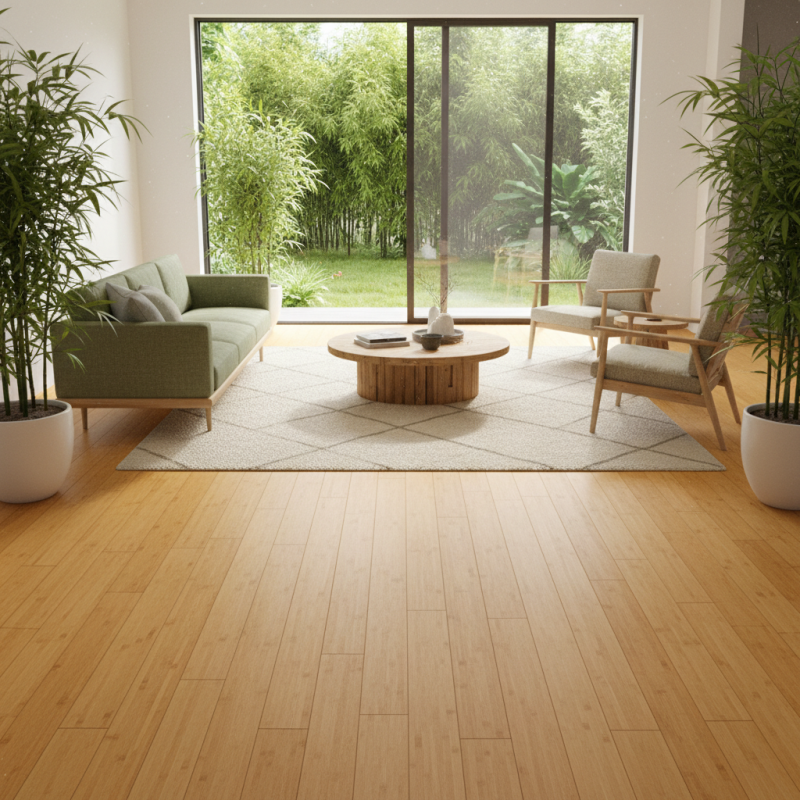
Bamboo flooring has gained popularity as a sustainable option. This material is not only fast-growing but also durable. It can last for decades when properly maintained. Sustainability is at the heart of bamboo’s appeal. Unlike traditional hardwood trees that can take decades to mature, bamboo reaches full height in just three to five years. This rapid growth helps reduce deforestation.
Bamboo is naturally resistant to pests and moisture, making it suitable for various climates. This resistance minimizes the need for harmful chemicals. Its unique aesthetic adds warmth and elegance to any space. However, potential buyers should be aware that not all bamboo flooring is created equal. It's important to research the sourcing practices of manufacturers, as some may not prioritize sustainability.
Choosing bamboo can support eco-friendly practices when done right. It contributes to reducing carbon footprints and enhances indoor air quality. Additionally, bamboo flooring is often easy to maintain, requiring just regular cleaning. Investing in this renewable material can lead to a greener home. It's a practical choice that also reflects commitment to the environment.
Bamboo flooring offers impressive durability and strength, often outperforming traditional materials like hardwood or laminate. With a density similar to oak, bamboo is not only tough but also resilient against wear and tear. Its natural properties make it less likely to dent or scratch compared to softer woods. A well-maintained bamboo floor can last for decades, showcasing its lasting power.
The unique structure of bamboo contributes to its impressive durability. Unlike hardwood, bamboo grows quickly and resists moisture, reducing the risk of warping over time. It can withstand heavy foot traffic, making it an ideal choice for busy households. However, bamboo isn't immune to damage. High heels and heavy furniture can still leave marks. Regular maintenance is essential for keeping its appeal intact.
Some might wonder about the stability of bamboo during seasonal changes. In humid conditions, bamboo can expand, while it contracts in dryness. Understanding these characteristics is vital for homeowners. Proper installation and acclimation of bamboo are key steps to ensure it performs well and maintains its beauty throughout the years.
Bamboo flooring offers incredible aesthetic versatility, making it a popular choice for homes. Its natural beauty complements various interior styles, from modern to rustic. Bamboo can be found in different colors and finishes, enhancing any room. The unique grain patterns add depth, making each plank distinctive. Homeowners can choose from options like vertical, horizontal, or strand-woven bamboo. This diversity allows for creative design possibilities.
When selecting bamboo flooring, consider your space carefully. Think about how different shades can impact the mood of your home. Lighter bamboo can create an airy feel, while darker tones can add warmth. Additionally, bamboo flooring can be stained to achieve desired colors. Test samples in natural light to see how they look at different times of the day.
Tips: Keep in mind the humidity levels in your area. Bamboo is generally stable, but extreme moisture could impact its durability. Ensure proper installation to prevent issues later. Regular maintenance, such as wiping spills immediately and using protective pads, will enhance its lifespan. Consider consulting a professional if unsure about installing bamboo flooring yourself.
Bamboo is a remarkable plant with extraordinary sustainability features. It can sequester carbon dioxide effectively. This ability helps in combating climate change. Bamboo absorbs more carbon than tree species. One mature bamboo grove can capture around 40% more CO2 compared to an average forest. This promotes cleaner air and reduces greenhouse gases.
The regeneration of bamboo is another noteworthy aspect. It can grow up to 91 centimeters in a single day. This rapid growth makes it an ideal resource for flooring. Unlike traditional timber, bamboo can be harvested every three to five years. This ensures a continuous supply without deforestation. However, not all bamboo is harvested sustainably. There are practices that harm the ecosystem.
Choosing eco-friendly bamboo for home flooring requires awareness. Prioritize bamboo from well-managed forests. Look for certifications that guarantee sustainable practices. This choice reflects a commitment to environmental responsibility. But it’s essential to educate oneself. There are misconceptions about bamboo's environmental benefits. Understanding the full picture is crucial for making an informed decision.
Bamboo flooring offers remarkable cost-effectiveness. This eco-friendly material is often less expensive than traditional hardwoods. Additionally, its durability provides long-term savings. When installed properly, bamboo can last for decades, reducing the need for frequent replacements. This fact highlights its value in the home flooring market.
Maintenance costs are also lower with bamboo flooring. It resists moisture better than many alternatives. This quality means fewer repairs and a longer lifespan. While some may be hesitant about adapting to bamboo, its benefits often outweigh initial uncertainties. The natural aesthetic adds charm to any space, making it a smart investment.
However, potential buyers should consider the installation process. Like any flooring, improper installation can lead to issues. Researching professional services is essential. Also, checking for certifications ensures the product meets quality standards. This precaution helps avoid future problems and supports sustainable practices.
: Bamboo flooring is typically more durable than hardwood, resisting dents and scratches effectively.
Regular maintenance involves immediate spill cleanup and using protective pads to minimize damage.
Yes, bamboo can expand in humidity and contract in dry conditions, so proper acclimation is important.
Yes, bamboo comes in various colors and finishes that impact the mood and style of a room.
Bamboo can be harvested every three to five years, ensuring a continuous supply without deforestation.
High heels and heavy furniture can still cause damage, so care must be taken even with durable bamboo.
Bamboo sequesters more carbon than trees, capturing significant CO2 and combating climate change effectively.
Consider your space's humidity and test samples in natural light to observe color variations throughout the day.
While it’s possible to install it yourself, consulting a professional can prevent potential issues later on.
When considering flooring options, many homeowners are asking, "Why use eco friendly bamboo for home flooring?" Bamboo presents an array of benefits as a sustainable flooring choice. Its durability and strength often surpass traditional flooring materials, making it an ideal option for high-traffic areas. Additionally, bamboo's aesthetic versatility means it can seamlessly fit into various home styles, with a range of finishes available to suit personal preferences.
Furthermore, the environmental impact of bamboo is significant; it actively sequesters carbon and regenerates quickly, reducing the ecological footprint associated with flooring choices. Coupled with its cost-effectiveness, bamboo flooring offers long-term savings, making it a practical investment for environmentally conscious homeowners. Overall, bamboo not only enhances the beauty and durability of homes but also aligns with sustainable living practices.

Prairie Floor