How to Transition Between Different Flooring Types Seamlessly?

Time:2026-05-11 Author:Liam
0%

Transitioning between different types of flooring can be challenging. Homeowners often struggle with achieving a seamless look. Understanding how to transition between different types of flooring is essential for maintaining visual appeal and functionality. The right transition can elevate a space, making it feel cohesive.

Expert advice suggests considering material compatibility and height differences. An inset tile or a wood strip can bridge gaps beautifully. However, mistakes do happen. One may underestimate the effects of color mismatches or texture differences. Overlooking these details can disrupt the flow of the entire room.

Proper planning is crucial. Start by measuring the heights of your chosen floors. Assess how they interact at the seams. Choosing the right transition strip is also vital. Sometimes, pressing for a quick solution can lead to unsatisfactory results. Take the time to ensure that every element works in harmony.
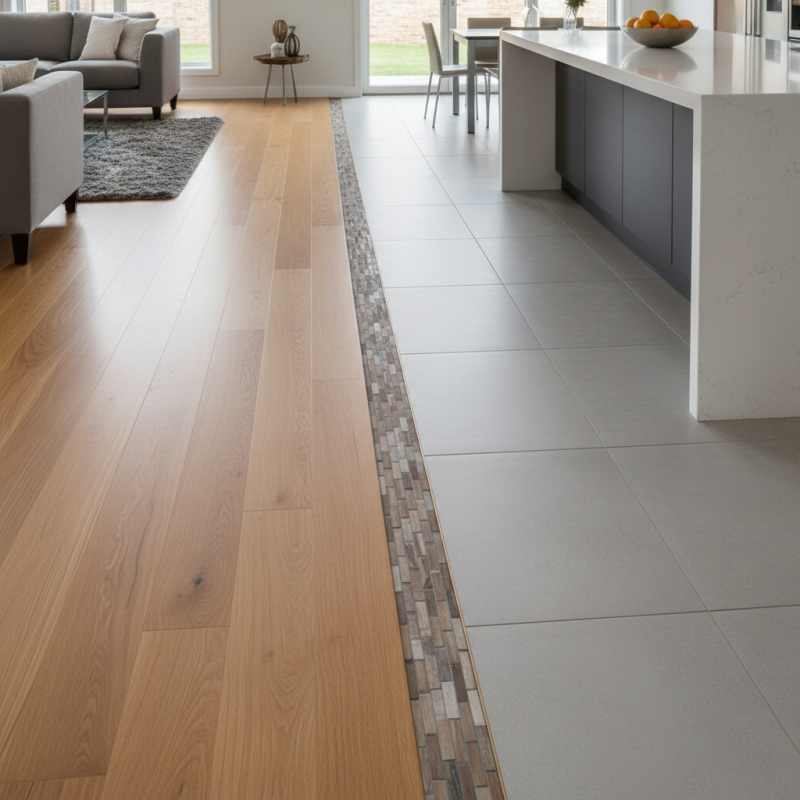
How to Transition Between Different Flooring Types Seamlessly?

Understanding the Importance of Seamless Flooring Transitions

Seamless flooring transitions are crucial in any home. They create a harmonious flow between different flooring types. When done right, these transitions enhance the overall aesthetic. However, many homeowners overlook this important design element. Different textures and colors can clash, leading to an uninviting space.

Choosing the right transition materials is key. A smooth transition strip can reduce tripping hazards. It can also bridge disparities in height effectively. Sometimes, it’s in the details. Using a color that complements both flooring types can unify the look. Many fail to realize that a mismatch can disrupt the entire room's vibe.

Planning is essential. Take proper measurements before installation. Research various transition styles and materials. Some materials might wear down faster than others. It’s valuable to seek professional advice if unsure. Reflect on your choices to ensure they fit your home's style and needs. A well-executed transition not only looks good but also adds long-term value to your space.

Identifying Compatible Flooring Types for Transitioning

When transitioning between different flooring types, compatibility is crucial. Certain materials blend well, ensuring a smooth visual and functional flow. For example, hardwood pairs nicely with ceramic tile. Both offer warmth and durability. Consider color tones and textures that complement each other. A light oak can transition elegantly into a cream-colored tile.


Vinyl flooring is another versatile option. It can seamlessly connect with laminate. These materials often share similar thicknesses, preventing tripping hazards. Ensure both types have matching edge treatments. This attention to detail enhances the overall aesthetic. If the textures differ, try to balance them with an area rug during the transition.


Some combinations may appear mismatched. For instance, a natural stone next to carpet can look jarring. Test samples in your space. This can reveal unexpected contrasts or harmony. Sometimes, the perfect transition requires a bit of creativity. Don’t shy away from trying various patterns. It may take multiple attempts to achieve the desired look and feel.

Preparing the Subfloor for Different Flooring Materials

Preparing the subfloor is crucial when transitioning between different flooring types. It lays the groundwork for the new materials, ensuring stability and longevity. Check for moisture levels first. Too much moisture can damage the new floor. A moisture barrier might be necessary in humid areas.

Next, level the subfloor. An uneven surface can lead to creaking or warping. Use a leveling compound if needed. It's often a simple fix but can save headaches later. Pay attention to expansion joints as well. They allow for natural movement in different materials, preventing cracks.

Lastly, clean the debris thoroughly. Dust or debris can hinder adhesion. Consider the underlayment material, as it influences sound and insulation. This step might seem trivial, but proper preparation is key for a seamless transition. Reflect on the process. Every small detail contributes to the overall finish.

Techniques for Achieving Smooth Transitions Between Floors

Transitioning between different flooring types can be challenging. It is crucial to ensure a smooth transition for both aesthetics and functionality. According to a report by the National Wood Flooring Association, over 50% of homeowners choose mixed flooring options for design purposes. To achieve a seamless look, pay attention to the height, texture, and color of the flooring materials involved.

One effective technique is to use transition strips. These strips hide the imperfections between different flooring types. They can be made from materials that complement both floors. In a survey by the Home Improvement Research Institute, 72% of respondents reported that the right transition strip can significantly enhance the look of their space. For those looking for a minimalist approach, consider using flush transitions. This option eliminates height differences, creating an uninterrupted flow between floors.

Tips: Choose thresholds that match your decor. This creates harmony across your spaces. When deciding, also think about furniture placement. Sometimes, a well-placed rug can help define separate areas while masking transitions. Remember, not every transition needs to be perfect. Sometimes, the uniqueness of slight imperfections can add character to your home. Balancing aesthetics with practicality is essential for a successful flooring transition.

Final Touches: Trim Options and Finishing Details

When transitioning between different flooring types, the final touches are crucial. Trim options play a significant role in providing a seamless look. Consider using quarter rounds or shoe molding for a clean finish at the edges. These trims help bridge gaps without drawing attention. Choosing the right material is also essential. Wood trim complements hardwood floors beautifully. However, if you're working with tiles, a vinyl option could be more suitable.

Finishing details extend beyond just trim. Caulk can fill gaps that may arise, ensuring a polished appearance. Select paint or stains that match your flooring for a cohesive look. Sometimes, imperfections can surface. A split in the trim or misaligned edges might occur. In those cases, reflect on your installation method. Perhaps the layout needs adjustment or a specific tool was not utilized correctly. Embracing these flaws as learning experiences can ultimately enhance your skills in flooring transitions.

Seamless Transition Between Different Flooring Types

FAQS

: Why is preparing the subfloor important?

: It ensures stability and longevity for the new flooring materials.

How do I check moisture levels in the subfloor?

Use a moisture meter to assess if levels are too high.

What should I do if the subfloor is uneven?

Use a leveling compound to create a smooth, flat surface.

Why are expansion joints necessary?

They allow natural movement of materials, preventing cracks.

How can I clean the subfloor effectively?

Remove all dust and debris to ensure good adhesion.

What are transition strips used for?

They hide imperfections between different flooring types and enhance aesthetics.

What should I consider when choosing transition strips?

Match the strips to both flooring types for a cohesive look.

Can I use rugs to help with flooring transitions?

Yes, rugs can define areas and mask transitions.

Is a perfect transition always necessary?

No, slight imperfections can add character to a space.

What role does underlayment play?

It influences sound and insulation, aiding in a more comfortable environment.

Conclusion

When considering how to transition between different types of flooring, it is essential to understand the significance of seamless transitions for aesthetic and functional purposes. The first step involves identifying compatible flooring types that can harmoniously blend together. This sets the stage for a visually appealing and coherent space. Preparing the subfloor adequately is crucial to ensure a stable foundation for the varied materials, preventing issues such as unevenness or wear over time.

Techniques for achieving smooth transitions include using transition strips or levels that accommodate differences in height and texture. Also, attention to detail in the final touches, such as selecting appropriate trim options and finishing details, can enhance the overall look and feel of the room. By thoughtfully considering these elements, one can master how to transition between different types of flooring, creating a cohesive and inviting environment.

Liam

Liam

Liam is a dedicated marketing professional with a profound expertise in the industry, where he excels at highlighting the unique advantages of our core products. With a keen understanding of market trends and consumer needs, Liam frequently updates our company’s professional blog, providing......