Dealing with deep scratches on laminate flooring can be a frustrating experience. According to flooring expert Peter Johnson, "Laminate flooring, while durable, can still suffer from deep scratches that affect its beauty." Understanding how to remove deep scratches from laminate flooring is essential for maintaining its appearance and longevity.
Many homeowners are unaware of the practical solutions available. Techniques range from using specially designed repair kits to common household items. Sanding the scratched area and applying a color-matched wax can sometimes yield impressive results. However, not every method works for every situation, leading to potential dissatisfaction.
It's essential to acknowledge that some scratches may not be fully removable. Mistakes can occur when the wrong technique is applied, potentially worsening the issue. Therefore, investing time in research and selecting the right approach is vital. Ultimately, knowing how to remove deep scratches from laminate flooring equips you with the tools to restore your space effectively.
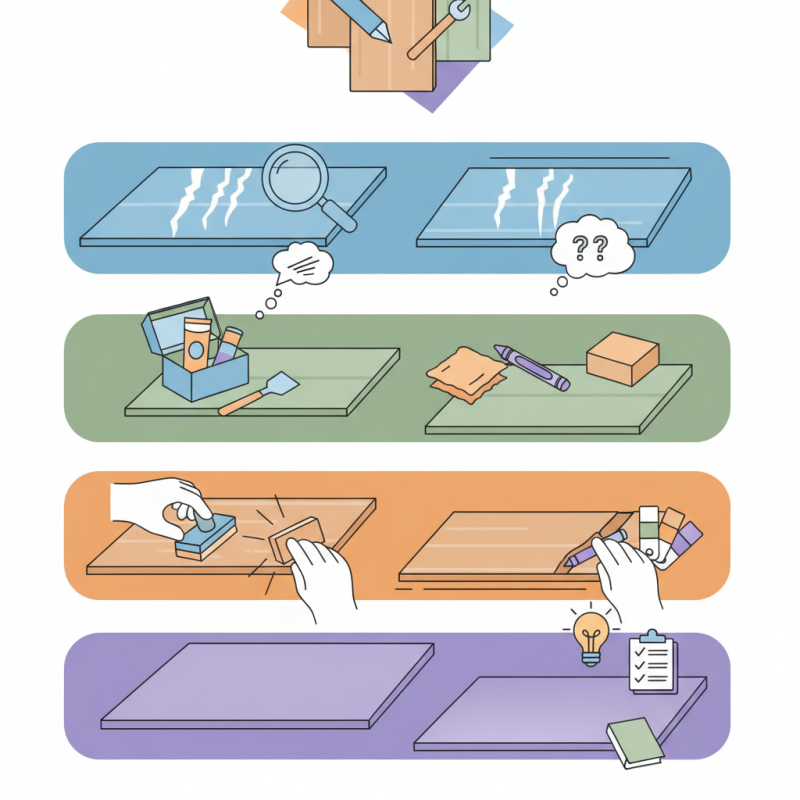
Understanding the Causes of Deep Scratches in Laminate Flooring
Deep scratches in laminate flooring can be a homeowner's nightmare. Understanding their causes is essential in preventing future damage. Often, these scratches result from heavy furniture being dragged across the floor. Additionally, pet claws can create significant wear. Even dirt and debris tracked in from outside contribute to this problem. Ignoring these factors can lead to deeper and more visible scratches.
To mitigate the risk of scratches, consider placing protective pads under furniture legs. Regularly sweeping and cleaning the floor can help eliminate dirt that may scratch the surface. However, it’s not always possible to avoid damage entirely. Accidental mishaps can occur, and sometimes, despite our best efforts, deep scratches will still appear.
Recognizing that not all floors can remain flawless is part of maintaining laminate flooring's appearance. Developing a proactive approach can significantly enhance the longevity of your floor while accepting that minor imperfections are part of its character.
Essential Tools and Materials Needed for Scratch Removal
Removing deep scratches from laminate flooring can be challenging. However, having the right tools and materials can make this task more manageable. Commonly, homeowners use a blend of wax sticks, wood fillers, and small spatulas. These tools provide the precision needed to address deep flaws without a complete floor replacement. According to industry reports, laminate floors can last up to 25 years, but scratches can significantly reduce their aesthetic appeal.
To start, gather a few essential items. Wax sticks come in various colors, making it easier to match your floor’s hue. A small spatula helps smooth the wax into the scratched area effectively. Additionally, you might need a soft cloth to buff the surface afterward. Some might even opt for a repair kit containing all necessary items. Data suggests that using a specialized repair kit can yield results in 70% of cases, preserving the floor's original look.
While repairing scratches may seem straightforward, it often requires patience and finesse. Not every attempt will yield perfect results. Sometimes, the repaired section may appear slightly different from the surrounding area. Acknowledging this imperfection can inform future maintenance efforts. Frequent inspections can identify new scratches early, allowing for timely fixes and ensuring your laminate flooring remains appealing for years.
Step-by-Step Process for Repairing Deep Scratches in Laminate
Repairing deep scratches in laminate flooring requires a careful, step-by-step process. Laminate surfaces can sustain damage over time, even with the best care. To address these issues, homeowners can follow an effective approach.
Start by cleaning the scratched area with a damp cloth to remove dirt. Dry it with a lint-free cloth to ensure no moisture remains. Use a laminate floor repair kit, which typically includes a color-matched filler and a spatula.
Apply the filler generously into the scratch, making sure to fill it completely. Smooth it out gently using the spatula to match the surrounding surface. According to industry data, using the right color filler can improve the result by up to 75%.
After the filler dries, consider blending the repair with a laminate flooring wax stick. This option can make repairs less noticeable.
Be patient with this process; applying too much pressure during sanding can worsen the issue. Take your time, and don't rush.
Tips: Always test any repair product in a discreet area first. This can prevent any unexpected results. Regularly cleaning and maintaining your laminate flooring can also minimize future scratches. Remember, even the best-maintained floors can encounter wear and tear. A thoughtful approach can enhance their longevity.
Preventive Measures to Avoid Future Scratches on Laminate Flooring
To prevent future scratches on laminate flooring, consider a few effective strategies. Start by placing doormats at entry points. This simple step captures dirt and debris that can scratch your floors. Choose mats made of soft materials that won’t scratch the surface.
Another important measure is using furniture pads. These pads protect your laminate from scratches caused by moving furniture. When rearranging, lift objects instead of dragging them. It’s easy to forget this, but it makes a big difference in preserving your floors.
Regular cleaning is also essential. Sweep or vacuum frequently to remove grit. Once a week, use a damp mop with appropriate cleaners. This routine minimizes the risk of scratches, keeping your floors looking pristine. Sometimes, life gets busy and cleaning may slip your mind. A little effort in maintenance goes a long way, though.
Deep Scratches on Laminate Flooring: Removal Methods and Prevention
This chart shows the effectiveness of different methods for removing deep scratches from laminate flooring, as well as preventive measures to avoid future scratches.
When to Seek Professional Help for Severe Laminate Damage
When you face deep scratches on laminate flooring, it’s tempting to handle repairs yourself. However, severe damage might require professional help. Recognizing when to seek assistance is crucial for maintaining floor integrity. If scratches penetrate the laminate surface, repairs may not yield satisfactory results. This damage can lead to further issues, such as moisture infiltration and structural instability.
Professional help ensures a thorough assessment. Experts can identify underlying problems not visible to the naked eye. They have specialized tools and techniques for effective restoration. This might include replacing whole planks or applying advanced repair methods. An experienced technician understands the specific needs of laminate flooring. Their insight can save you time and money in the long run.
Attempting to fix deep gouges without proper knowledge can make things worse. DIY repairs may mask the problem temporarily. However, flaws may re-emerge over time. Trusting a professional could provide a more durable solution. Always consider the potential repercussions of your choices on long-term flooring health.
How to Remove Deep Scratches from Laminate Flooring Easily? - When to Seek Professional Help for Severe Laminate Damage
| Method |
Description |
DIY Difficulty |
Time Required |
When to Seek Professional Help |
| Using a Scratch Repair Kit |
Apply the repair compound as per instructions to fill in the scratch. |
Easy |
15-30 minutes |
If scratches cover a large area or damage is extensive. |
| Applying a Wood Stain Marker |
Color the scratch with a laminate-compatible stain marker. |
Very Easy |
5-10 minutes |
For deep or discolored scratches that don't blend well. |
| Heat and Bonding Method |
Use heat to soften the laminate and bond it back into place. |
Moderate |
30-60 minutes |
If the surface layer is peeling or significantly damaged. |
| Replacement of Planks |
Replace the damaged planks with new ones that match. |
Challenging |
1-2 hours |
When damage is extensive, recurring, or the finish is compromised. |
FAQS
: Heavy furniture movement, pet claws, and dirt tracked in can all cause scratches.
Use protective pads under furniture, and regularly sweep and clean to remove dirt and debris.
Yes, but it requires careful cleaning, filling, and possibly blending with a wax stick.
Start by cleaning the scratched area with a damp cloth, then dry it thoroughly.
Seek help if scratches penetrate deeply or cause moisture issues; professionals assess hidden damage.
DIY fixes may worsen the issue and only provide temporary solutions; underlying problems might persist.
Using the right color filler significantly improves repair results, sometimes by up to 75%.
No, be patient. Applying too much pressure can make the scratch worse.
Yes, minor imperfections are part of laminate flooring's character; acceptance is key.
Always test the product in a discreet area first to avoid unexpected results.
Conclusion
In the article titled "How to Remove Deep Scratches from Laminate Flooring Easily," readers are guided through the understanding of causes behind deep scratches in laminate flooring, which can stem from pet claws, furniture movement, or heavy foot traffic. The article outlines the essential tools and materials needed for effective scratch removal, ensuring that homeowners are well-prepared for the task.
Furthermore, it provides a detailed step-by-step process for repairing deep scratches, allowing individuals to restore their flooring's appearance. To prevent future scratches, the article emphasizes the importance of maintaining proper care and using protective measures, such as rugs and furniture pads. Finally, it advises when to seek professional help for severe laminate damage, ensuring that readers have a comprehensive understanding of how to manage their flooring effectively. This guide ultimately addresses the question of how to remove deep scratches from laminate flooring with ease and confidence.

 Prairie Floor