How to Prevent Mold Under Basement Vinyl Flooring?

Time:2026-06-01 Author:Mason
0%

Mold can be a significant concern for homeowners, especially in basements. Mark Johnson, a well-known expert in home moisture control, emphasizes, "Preventing mold is easier than removing it." This quote serves as a reminder of the importance of proactive measures.

Understanding how to prevent mold under basement vinyl flooring can save time, money, and health risks. Basements often have high humidity levels. This makes them more prone to mold growth, especially when vinyl flooring is laid directly on a concrete slab.

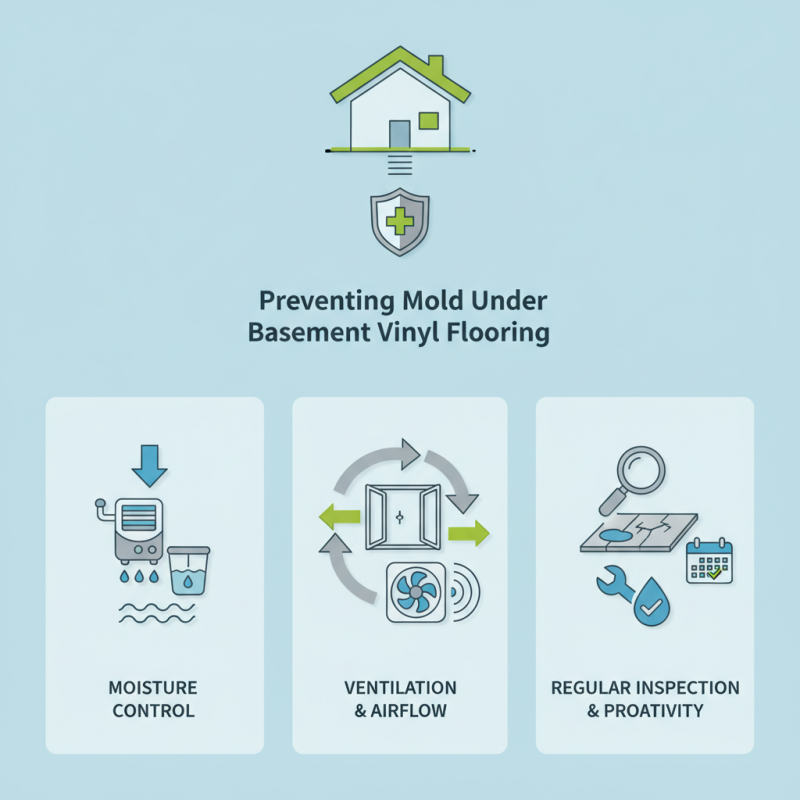
Regular inspection and maintenance are crucial. Use a dehumidifier to control moisture levels. Ensure proper ventilation to keep air flowing. These actions may seem simple but can significantly reduce mold risks. Homeowners must be vigilant. Even small leaks or spills can lead to bigger problems. Addressing these issues proactively is essential for a healthy living environment.
How to Prevent Mold Under Basement Vinyl Flooring?

Assessing the Risk of Mold Growth in Basement Environments

Assessing the risk of mold growth is crucial in basement environments. Basements often have high humidity levels and limited air circulation, making them vulnerable to moisture buildup. This moisture can seep into vinyl flooring, creating an ideal breeding ground for mold. Installing a dehumidifier can help control humidity, but it may not completely eliminate the risk.

Check for leaks in pipes or walls. Even small leaks can contribute to moisture problems. Inspect the foundation for cracks too. If water seeps in during heavy rains, mold may develop under your flooring. Regularly inspect the area and look for any signs of musty odors or discoloration. These can indicate mold presence.

Ventilation is another factor to consider. Proper airflow can minimize moisture accumulation. Try opening windows or using fans during dry days. However, be cautious in winter; this can exacerbate issues due to temperature fluctuations. Balancing ventilation and heating is essential in preventing mold growth in these spaces.

Selecting the Right Vinyl Flooring for Moisture Resistance

When selecting vinyl flooring for your basement, moisture resistance is key. Look for options explicitly labeled as waterproof or water-resistant. These products can manage the inevitable dampness found in basements. Not all vinyl flooring holds up well under moisture, so be cautious. Check the manufacturer’s specs to ensure it can withstand high humidity levels.

Another factor is the thickness of the vinyl layers. Thicker options often provide better durability against moisture and potential mold growth. A backing layer designed for moisture control can add extra protection. Keep in mind, however, that even water-resistant vinyl can fail if proper installation is neglected. Gaps and seams may allow moisture to seep in, leading to problems.

Consider the underlayment as well. Installing a moisture barrier helps protect your flooring investment. Additionally, you may need to acclimate the flooring to the basement environment before installation. Sometimes, the safest route is to consult a professional. They can assess your space and recommend specific solutions tailored to your needs. Balancing aesthetics with function is a bit tricky, but it’s essential for long-term satisfaction.

How to Prevent Mold Under Basement Vinyl Flooring? - Selecting the Right Vinyl Flooring for Moisture Resistance

Vinyl Flooring Type Moisture Resistance Rating Recommended Underlayment Maintenance Tips
Luxury Vinyl Plank (LVP) High Moisture Barrier Underlayment Regular cleaning and immediate water spill mitigation
Rigid Core Vinyl Very High Waterproof Underlayment Avoid excess moisture and use dehumidifiers
Sheet Vinyl Moderate Standard Underlayment Regularly check for signs of water damage
Vinyl Tile Moderate Moisture Barrier Underlayment Keep floors dry and clean spills promptly

Preparing the Basement Floor Before Installing Vinyl Flooring

Preparing the basement floor before installing vinyl flooring is crucial. Start by inspecting for moisture. A damp surface can lead to mold under your flooring. Use a moisture meter to assess humidity. If your basement is prone to dampness, consider installing a dehumidifier.

Cleaning the floor thoroughly is another vital step. Remove dust, debris, and any existing flooring. Scrub the concrete with a solution that fights mold. Ensure it dries completely before proceeding. While this may seem tedious, it reduces future problems.

After cleaning, consider applying a sealant to the concrete. This provides an extra layer of protection. However, it is essential to choose a product that allows for moisture migration. Remember, protecting your flooring starts with a solid foundation. Be honest about the condition of your basement; addressing minor issues now can prevent major headaches later.

Implementing Effective Vapor Barriers to Prevent Moisture Intrusion

Implementing effective vapor barriers is essential in preventing moisture intrusion under basement vinyl flooring. A vapor barrier acts as a protective shield against moisture from the ground. Installing it correctly can significantly reduce the risk of mold growth. Ensure the barrier covers the entire basement floor and walls. Overlap the seams to eliminate potential gaps. This reduces the chances of moisture seeping through.

Using the right materials for your vapor barrier is crucial. High-density polyethylene or reinforced polyethylene are excellent choices. They are durable and resistant to punctures. Remember that installation flaws can lead to disaster. Edges must be sealed using appropriate tape, as even small openings can allow moisture to enter. Regular inspections are necessary to catch any potential issues early.

It’s important to note that climate can influence mold growth in your basement. Areas with high humidity may require additional measures, such as a dehumidifier. Don’t overlook these factors. Reviewing and adjusting your moisture control strategy regularly can make a difference. Keeping a vigilant eye on your basement environment will ensure your flooring remains safe and dry.

Establishing Proper Ventilation and Humidity Control in Basements

Basements often hold moisture, making them a breeding ground for mold. Establishing proper ventilation can significantly reduce humidity levels. Use exhaust fans to improve air circulation. Open windows when possible to let fresh air flow in. Even small changes can make a big difference in your basement.

Humidity control is equally crucial. Aim to keep humidity levels below 60%. Dehumidifiers can help achieve this goal. Regularly check for leaks and address any sources of moisture. Ensure gutters direct water away from your foundation. These practices not only prevent mold but also improve air quality.

Sometimes, despite our efforts, mold may still appear. It can grow in hidden spots, unnoticed until it becomes a larger problem. Regular inspections of your basement are necessary. Look for discoloration or damp areas. Early detection can save you time and money. Always be vigilant. A proactive approach is your best defense against mold.

FAQS

: What is the main risk of mold growth in basements?

: High humidity and poor air circulation create ideal conditions for mold in basements.

How can I control humidity in my basement?

Consider using a dehumidifier, but be aware it may not eliminate the risk completely.

What should I check for to prevent moisture problems?

Inspect for leaks in pipes, wall cracks, and any signs of musty odors.

How can ventilation affect mold growth?

Proper airflow helps reduce moisture. Open windows or use fans, but be cautious in winter.

Why is cleaning the basement floor important?

Thorough cleaning removes dust and debris that can lead to mold growth under flooring.

How can I protect my basement floor before installing vinyl?

Apply a sealant to the concrete after cleaning, but ensure it allows moisture migration.

What is a vapor barrier and why is it important?

A vapor barrier prevents moisture intrusion, which helps protect against mold growth.

What materials are best for vapor barriers?

High-density polyethylene or reinforced polyethylene are durable and resistant to punctures.

What installation details should I consider for vapor barriers?

Seal edges properly, overlapping seams to prevent moisture seepage.

How often should I inspect my basement for moisture issues?

Regular inspections help catch potential problems early, keeping your basement dry and safe.

Conclusion

To effectively address the question of "How to prevent mold under basement vinyl flooring," it is crucial to start by assessing the risk factors associated with mold growth in basement environments. This involves evaluating existing moisture levels and understanding the potential sources of humidity that may contribute to mold proliferation. Selecting the right vinyl flooring with moisture-resistant properties is the next step, ensuring the material can withstand inevitable damp conditions.

Preparation of the basement floor prior to installation is essential; it may involve cleaning and leveling the surface to minimize moisture retention. Implementing effective vapor barriers is also vital, as these barriers can help prevent moisture intrusion from the ground and surrounding areas. Finally, establishing proper ventilation and humidity control in the basement can greatly mitigate mold risks, creating a healthier living space while ensuring the longevity of the vinyl flooring. By following these guidelines, homeowners can significantly reduce the likelihood of mold growth beneath their basement flooring.

Mason

Mason

Mason is a seasoned marketing professional with a deep expertise in the company's offerings and a passion for driving brand awareness. With a strong background in digital marketing strategies, he has an innate ability to connect with diverse audiences and effectively communicate product benefits.......