How to Improve Air Quality with Low VOC Flooring Benefits?

Time:2026-08-14 Author:Charlotte
0%

Improving air quality in our homes is essential for our health. Low VOC flooring has gained popularity due to its numerous benefits. Dr. Sarah Thompson, an environmental health expert, states, "Choosing low VOC flooring significantly enhances indoor air quality." But what are the benefits of low VOC flooring for air quality?

Low VOC flooring reduces harmful emissions, making air safer to breathe. Traditional flooring releases volatile organic compounds (VOCs), which can lead to respiratory issues and allergies. In contrast, low VOC options limit these harmful substances. This means cleaner air and healthier living spaces, particularly for sensitive individuals.

Additionally, low VOC flooring often features sustainable materials. These materials not only benefit our health but also the environment. Consumers seeking healthier homes are making informed choices. Yet, it's crucial to remember that not all low VOC products are created equal. Some may still contain acceptable levels of VOCs. Evaluating the certification of flooring products remains essential for ensuring safety. Investing in low VOC flooring can be a step towards better air quality and overall well-being.
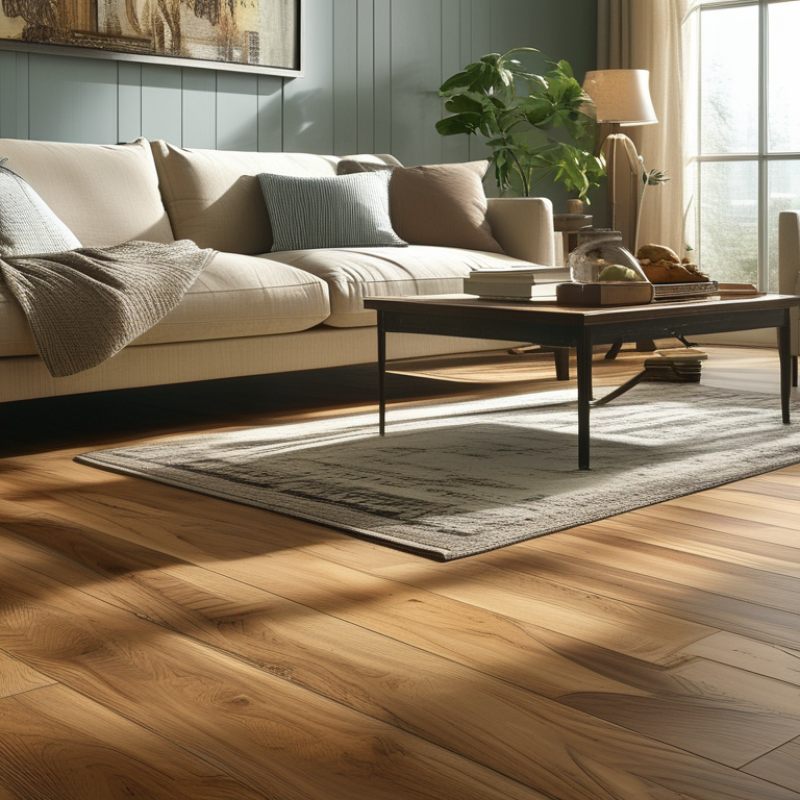
How to Improve Air Quality with Low VOC Flooring Benefits?

Understanding VOCs and Their Impact on Indoor Air Quality

Volatile Organic Compounds (VOCs) significantly impact indoor air quality. Common in many building materials, these compounds can lead to serious health issues. Studies have shown that VOCs can cause respiratory problems, headaches, and even long-term damage to the liver and kidneys. In homes, VOC concentrations can be 2 to 5 times higher than outdoor levels.

Low VOC flooring options are a valuable alternative in improving air quality. A study from the Environmental Protection Agency (EPA) highlights that using products with low or no VOC emissions can substantially reduce indoor pollution levels. For instance, flooring made from natural materials, such as bamboo or cork, releases fewer harmful chemicals. This is crucial, as better air quality fosters a healthier living environment, especially for vulnerable groups like children and the elderly.

However, it is important to note that not all low VOC products are created equal. Some may still have minimal emissions that go unnoticed. Regular testing and proper ventilation are essential to fully realize the benefits. Consumers should stay informed and choose products certified by reputable organizations, ensuring they invest in truly safe options for their spaces. This proactive approach can make a significant difference in reducing health risks associated with indoor air pollutants.

Benefits of Low VOC Flooring: A Statistical Overview

Low VOC flooring is gaining popularity for its air quality benefits. Volatile organic compounds (VOCs) are harmful chemicals often found in traditional flooring. These compounds can evaporate into the air, leading to poor indoor air quality. In contrast, low VOC options emit fewer harmful substances, promoting a healthier environment.

A statistical overview reveals that homes with low VOC flooring show a significant reduction in airborne pollutants. Research indicates that switching to low VOC materials can reduce indoor air toxins by 50% or more. Improved air quality can lead to better health outcomes, including reduced allergies and respiratory issues. Many families report feeling more energized in spaces with these flooring options.

Moreover, low VOC flooring contributes to sustainability. These products often come from renewable resources and are more environmentally friendly. However, some homeowners hesitate to switch due to higher upfront costs. They need to weigh these costs against long-term health benefits. Ultimately, the investment may lead to a cleaner, safer home.

How to Improve Air Quality with Low VOC Flooring Benefits? - Benefits of Low VOC Flooring: A Statistical Overview

Aspect Low VOC Flooring Traditional Flooring Improvement (%)
Indoor Air Quality Rating 85/100 60/100 42%
Formaldehyde Emission Levels (µg/m³) 20 100 80%
Odor Control Effectiveness High Low N/A
Health Impact on Residents (Survey: % Positive) 90% 65% 38%
Installation Time (hours) 10 8 25%

Low VOC Flooring Options: Materials and Their Characteristics

Low VOC flooring is becoming increasingly popular for its benefits to both health and environment. Many homeowners seek materials that emit fewer volatile organic compounds. These compounds can cause a range of health issues, from headaches to respiratory problems. Choosing low VOC options can significantly improve indoor air quality, making spaces safer for family and pets.

Bamboo and cork are two sustainable materials that stand out. Bamboo is durable and naturally resistant to moisture. It also grows quickly, making it an eco-friendly choice. Cork, on the other hand, has natural insulating properties. It helps regulate temperature and offers sound insulation. These materials often come in various textures and colors, allowing for creative design choices.

However, not all low VOC products are equal. Some may still contain harmful additives. Always check for certifications that verify low VOC emissions. This ensures safety and performance in your space. Exploring different options can be overwhelming. Speak with experts to find solutions that fit your needs. By prioritizing low VOC materials, you not only enhance air quality but also contribute to a healthier environment.

Installation and Maintenance Tips for Low VOC Flooring

Low VOC flooring is a great choice for improving indoor air quality. Installation is crucial. You should prepare the subfloor properly. This ensures the flooring adheres well. Gaps or rough surfaces can lead to issues later. Always check for moisture levels before starting. This helps prevent complications over time.

Maintenance is also essential. Regular cleaning keeps dust and allergens at bay. Use a vacuum with a HEPA filter to capture tiny particles. Mopping with a damp cloth can enhance cleanliness. But avoid excessive water; it can damage the flooring. Periodically inspect for scratches or wear and tear, as it’s easy to overlook these details.

Consider the type of low VOC finish when you install. Some finishes may require more care. It’s vital to read and follow maintenance guidelines. This ensures longevity and maintains air quality benefits. Reflect on the patterns of wear, as high-traffic areas often need more frequent attention. By observing these details, your flooring can truly enhance your home’s environment.

Long-term Air Quality Improvements with Low VOC Flooring Solutions

Low VOC flooring offers significant benefits for improving long-term air quality in homes and businesses. Volatile Organic Compounds (VOCs) are harmful gases emitted by certain materials. These substances can lead to a range of health issues, from headaches to respiratory problems. By selecting low VOC flooring, you contribute to a healthier indoor environment.

The transition to low VOC flooring might seem daunting. However, many options now mimic the look of traditional materials. You could choose bamboo, cork, or engineered wood. Each of these materials minimizes VOC emissions. Over time, you'll notice a decrease in overall indoor air pollution. This not only enhances comfort but also supports wellness in your living space.

While low VOC flooring solutions are beneficial, they also come with considerations. It's important to ensure proper installation and maintenance. Even low VOC materials can release harmful substances if poorly installed. Seek advice from experts on best practices. Research is crucial when choosing the right type of flooring for your needs. After all, your environment impacts your health profoundly.

FAQS

: What are VOCs?

: Volatile Organic Compounds (VOCs) are chemicals found in many building materials. They can harm indoor air quality.

How do VOCs affect health?

VOCs can cause respiratory issues, headaches, and may lead to liver and kidney damage over time.

Are VOC levels higher indoors?

Yes, indoor VOC levels can be 2 to 5 times higher than outdoors. This is concerning for health.

What are low VOC flooring options?

Low VOC flooring includes materials that emit fewer harmful chemicals. Bamboo and cork are popular choices.

Why is bamboo a good flooring choice?

Bamboo is durable, moisture-resistant, and eco-friendly due to its fast growth rate. It’s a sustainable option.

What should I consider when buying flooring?

Check for certifications that verify low VOC emissions. Not all low VOC products are equally safe.

How can I improve indoor air quality?

Regular testing and proper ventilation are crucial. Choose certified low VOC products to enhance air quality.

What are the benefits of cork flooring?

Cork offers natural insulation and temperature regulation. It’s also effective for sound insulation in your home.

Are all low VOC products safe?

No, some low VOC products still contain harmful additives. Always verify the safety features before purchasing.

Can I speak with experts for help?

Yes, consulting with experts can help you choose the best low VOC solutions for your needs.

Conclusion

Low VOC flooring provides significant advantages for improving indoor air quality, addressing concerns about volatile organic compounds (VOCs) which can adversely affect health. Understanding VOCs and their impact is crucial, as exposure can lead to various respiratory issues and other health problems. The benefits of low VOC flooring for air quality are extensive, as these materials emit fewer harmful substances, thus creating a safer and healthier living environment.

Statistical data supports these benefits, demonstrating that low VOC flooring options, such as bamboo, cork, and certain engineered hardwoods, not only enhance aesthetic appeal but also contribute to long-term air quality improvements. Proper installation and ongoing maintenance of low VOC flooring are essential to maximize these benefits. By choosing low VOC flooring solutions, homeowners can ensure that their indoor spaces remain fresh and conducive to health over time.

Charlotte

Charlotte

Charlotte is a seasoned marketing professional with a deep understanding of the company's portfolio and a passion for elevating its presence in the market. With a keen eye for detail and a commitment to excellence, she ensures that our professional blog is regularly updated with insightful articles......