Humidity plays a significant role in the quality and performance of solid wood flooring. "Why does humidity affect solid wood flooring" is a crucial question for homeowners and builders alike. Wood is a natural material and is sensitive to changes in its environment. High humidity can cause wood to swell, while low humidity may lead to shrinkage or gaps between planks.
These changes can result in unsightly warping or cracking. A well-installed floor needs attention to humidity levels. Monitoring indoor conditions can help maintain the integrity of solid wood flooring. Ideal humidity levels range from 30% to 50%. However, achieving this balance is often challenging.
Understanding the impact of humidity allows for better decision-making when selecting and maintaining wood floors. It’s not just about aesthetics but also the longevity of the flooring. Investing in quality materials and proper installation techniques enhances durability. Homeowners should consider their local climate and indoor conditions carefully. Awareness is key to preventing potential issues. Ignoring humidity can lead to costly repairs and replacements. Regular maintenance and monitoring are vital for keeping solid wood flooring in optimal condition.
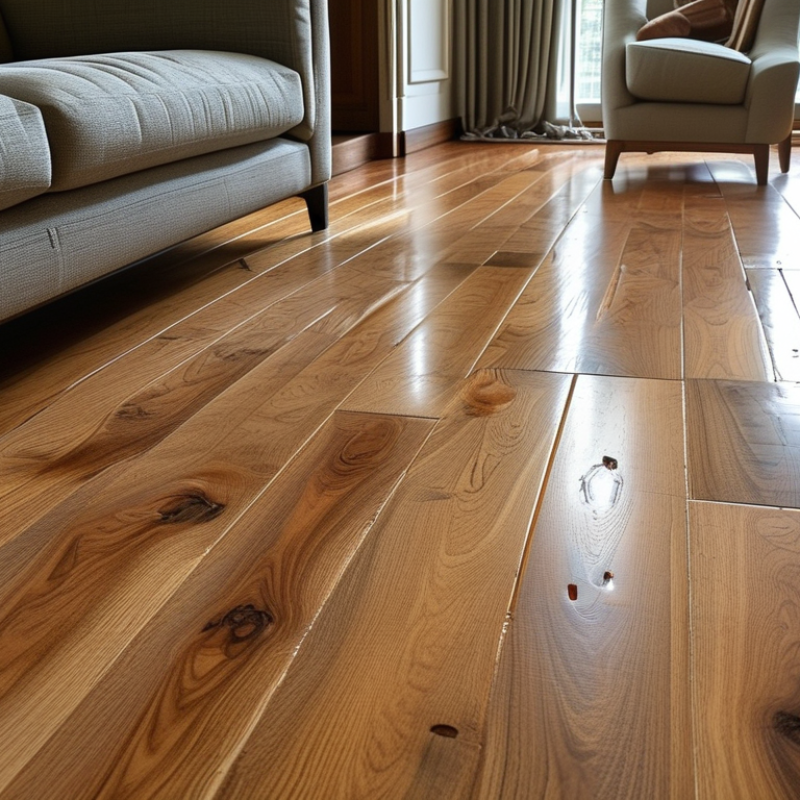
Understanding Humidity and Its Effects on Wood Materials
Humidity plays a crucial role in the quality of solid wood flooring. Wood is a natural material, and it responds to changes in humidity. When humidity levels rise, wood absorbs moisture. This can lead to expansion, causing floors to warp or cup. Conversely, low humidity levels can dry out wood, causing it to shrink and create gaps. Proper humidity control is critical for maintaining the integrity of wood floors.
Tips: Maintain indoor humidity levels between 30% and 50%. Using a dehumidifier in damp seasons can help. In dry months, consider a humidifier to prevent wood from shrinking.
Understanding how humidity affects wood materials is vital for homeowners. Each wood species reacts differently to moisture changes. For instance, softer woods may show damage more quickly than harder varieties. Regular inspections can help identify issues early. Look for signs like cracking or uneven surfaces. Monitoring humidity can save you from costly repairs.
Tips: Use a hygrometer to check indoor humidity regularly. Store wood flooring in a climate-controlled area before installation. This prepares the material for its new environment.
The Science Behind Wood Expansion and Contraction due to Humidity
Humidity plays a crucial role in the quality of solid wood flooring. Wood is a natural material that reacts to changes in moisture levels. When humidity rises, wood absorbs moisture and swells. Conversely, when humidity drops, wood releases moisture and contracts. This cycle of expansion and contraction can lead to issues such as warping, gaps, or even cracking.
Understanding this science helps homeowners maintain their flooring better. It's important to monitor indoor humidity levels consistently. A humidifier or dehumidifier can help stabilize conditions. Aim for a humidity range of 30% to 50%. This not only protects your flooring but also enhances indoor air quality.
Tip: Consider using proper insulation methods. This can minimize fluctuations in humidity levels. Also, when installing wood flooring, leave expansion gaps near walls. This allows the wood to expand and contract without causing damage. Pay attention to seasonal changes, as they can significantly affect humidity levels in your home.
Impact of Humidity on Solid Wood Flooring Quality
How Humidity Levels Affect Solid Wood Flooring Durability
Humidity levels play a crucial role in the durability of solid wood flooring. Wood is a natural material that reacts to changes in moisture in the environment. When humidity levels rise, wood fibers absorb moisture and expand. Conversely, low humidity causes the wood to lose moisture, leading to contraction. According to the National Wood Flooring Association, fluctuations in humidity can cause significant dimensional changes in wood flooring, resulting in gaps or warping.
These effects not only compromise aesthetic appeal but also affect the longevity of the flooring. Research shows that consistent relative humidity levels between 30% and 50% can help maintain optimal wood condition. Beyond appearance, structural integrity may suffer under extreme humidity conditions, making it essential to monitor environmental changes.
**Tip:** Install a humidifier or dehumidifier to maintain stable humidity levels in your home. This practice can prevent issues related to expansion and contraction.
**Tip:** Regularly check your flooring for signs of moisture damage, such as cupping or cracking. Early intervention can save you significant repair costs.
Even with precautions, some homeowners may notice uneven wear or gaps over time. This could lead to questions regarding installation techniques or material quality. Understanding the nuanced relationship between humidity and flooring can enhance maintenance strategies.
Why Does Humidity Impact Solid Wood Flooring Quality? - How Humidity Levels Affect Solid Wood Flooring Durability
| Humidity Level |
Impact on Flooring |
Recommended Action |
Durability Rating |
| Low (below 30% RH) |
Increased risk of cracking and warping |
Use humidifiers to maintain moisture |
3/5 |
| Normal (30% - 50% RH) |
Ideal conditions for longevity |
Maintain consistent humidity |
5/5 |
| High (above 50% RH) |
Risk of mold growth and swelling |
Use dehumidifiers to reduce moisture |
2/5 |
Identifying Signs of Humidity Damage in Wood Flooring
Humidity plays a significant role in the quality of solid wood flooring. When moisture levels in the air fluctuate, the wood can expand or contract. This can lead to visible damage over time. Cupping, crowning, or gaps along the floorboards are key indicators of humidity-related issues. Homeowners need to stay vigilant and monitor these changes regularly.
Identifying signs of humidity damage early is crucial. Cupping occurs when the edges of the boards rise, creating a concave shape. This often indicates excess moisture. On the other hand, gaps between the boards may suggest dry conditions. Additionally, warped boards can make a once-beautiful floor look unkempt. Regular inspections can help mitigate long-term damage and maintain the floor’s integrity.
Maintaining a consistent indoor humidity level is essential. Ideally, it should range between 30% to 50%. A hygrometer can help track these levels. If you notice signs of damage, it's worth reflecting on potential causes. Improving ventilation and using dehumidifiers or humidifiers can protect your flooring investment.
Preventative Measures to Protect Wood Flooring from Humidity Issues
Humidity can have significant effects on solid wood flooring. High moisture levels in the air can lead to wood expansion, causing warping and gaps between planks. According to the National Wood Flooring Association, wood absorbs moisture when humidity rises, jeopardizing its quality. The moisture content of wood should ideally be maintained between 6% to 9%. When this balance is disrupted, the integrity of the flooring is compromised.
To protect wood flooring from humidity issues, several preventative measures can be implemented. Installing a proper vapor barrier during installation helps keep moisture at bay. Additionally, using humidifiers or dehumidifiers can help maintain ideal humidity levels. Regularly monitoring indoor humidity can prevent severe fluctuations. The American Society of Heating, Refrigerating and Air-Conditioning Engineers recommends keeping indoor humidity between 30% and 50% for optimal results.
While these solutions may mitigate the effects of humidity, they may not eliminate them entirely. Old homes with poor insulation can still suffer from humidity issues despite best efforts. Continuous monitoring and care are essential. Regular maintenance, including cleaning and refinishing when necessary, is also crucial to prolonging the lifespan of wood floors.
FAQS
: Humidity affects solid wood quality. High humidity can cause expansion, while low humidity can lead to shrinkage.
Maintain indoor humidity between 30% and 50%. This range helps prevent warping and gaps.
Use a hygrometer. Regular checking helps track moisture changes in your home.
Look for cupping, crowning, or gaps between floorboards. These indicate moisture-related issues.
Install a vapor barrier and use humidifiers or dehumidifiers. These help manage humidity levels effectively.
Yes, poor insulation in older homes can cause ongoing humidity challenges, despite prevention efforts.
Yes, ongoing care and regular inspections can prolong the lifespan of your wood floors significantly.
Different wood species react variably to moisture. Softer woods may display damage faster than harder varieties.
Ignoring humidity can lead to significant damage. This may result in costly repairs and degradation of flooring quality.
Warped boards can make a once-beautiful floor look unkempt, impacting your home’s overall appearance.
Conclusion
Humidity plays a crucial role in the quality of solid wood flooring, as it directly influences the material's behavior. Understanding humidity and its effects on wood materials is essential, as wood naturally expands and contracts in response to moisture levels. This fluctuation can significantly impact the durability of solid wood flooring, leading to potential damage if not properly managed.
To address the question of "Why does humidity affect solid wood flooring," it is important to recognize that high humidity can result in excessive swelling, while low humidity can lead to shrinkage and gaps. Homeowners should be aware of the signs of humidity damage, such as warped or cracked boards, and take preventative measures, such as maintaining consistent indoor humidity levels, using dehumidifiers, and ensuring proper ventilation. By implementing these strategies, the integrity and longevity of solid wood flooring can be preserved, safeguarding against the adverse effects of humidity.

 Prairie Floor