If you want to keep your epoxy garage floors looking new and durable, it's essential to know how to maintain high performance epoxy garage floors. These floors are not just for aesthetics; they add significant value to your home. However, over time, wear and tear can diminish their appeal.
Regular cleaning is vital. Dust and debris can accumulate and lead to scratches. Use a soft broom or vacuum to remove dirt. Occasionally, mopping with a pH-balanced cleaner helps maintain their shine. Despite these efforts, stains can still appear. Respond quickly to spills to avoid long-lasting damage.
Make sure to inspect the floor regularly. Look for cracks or discoloration. Addressing issues early can prevent extensive repairs later. The goal is to keep your garage looking its best while ensuring durability. Taking proactive steps will enhance the life of your epoxy floor. Remember, your effort today results in lasting beauty tomorrow.
Choosing the Right Epoxy Coating for Garage Floors
Choosing the right epoxy coating for garage floors is essential for long-lasting beauty and function. Epoxy coatings typically come in various formulations, including 100% solids, water-based, and solvent-based. A 2020 study from the National Association of Home Builders revealed that 100% solids epoxy offers the best performance, with a hardness rating exceeding 70 on the Shore D scale. This type resists chemicals and abrasions, making it ideal for harsh garage environments.
When selecting an epoxy coating, color and texture play a critical role. Light colors can enhance visibility, but they may show dirt and stains more easily. Dark colors can mask imperfections but may lead to a gloomy atmosphere. According to a report by Painting and Coating Industry, the trend shows that metallic and flake-filled epoxies are increasingly popular, offering unique aesthetics and improved surface durability. However, one must consider application conditions, as improper surface preparation can lead to peeling.
It’s also important to reflect on the installation process. Many homeowners underestimate the importance of proper mixing ratios and ambient temperature. Inadequate mixing can result in a weak bond and inconsistent texture. The ideal ambient temperature for curing epoxy is between 60°F to 85°F. Even with the best products, if prepared poorly, the results can be disappointing. Careful planning and execution are vital for achieving a flawless finish.
Understanding the Curing Process and Its Importance for Durability
Understanding the curing process is vital for maintaining durable epoxy garage floors. Proper curing ensures chemical bonds form fully, creating a strong, long-lasting surface. Rushing this step can lead to weak spots or peeling over time. Ideally, temperatures between 70-85°F and low humidity promote even curing. During the initial 24 to 72 hours, avoid heavy foot traffic or placing objects on the surface. Improper curing can cause cloudiness or bubbles, which are signs of incomplete hardening.
Some might overlook the importance of patience here, but it directly impacts durability. Poor curing also makes the coating more vulnerable to scratches, stains, and wear. Applying a secondary sealant or topcoat after curing can boost long-term resistance. Ensuring consistent conditions during curing might be tricky, especially in inconsistent climates.
Still, paying attention to these details makes your floors look new and resist daily damage longer. Over time, neglecting proper curing might cost more in repairs or re-coating.
Regular Maintenance Practices to Extend the Lifespan of Epoxy Floors
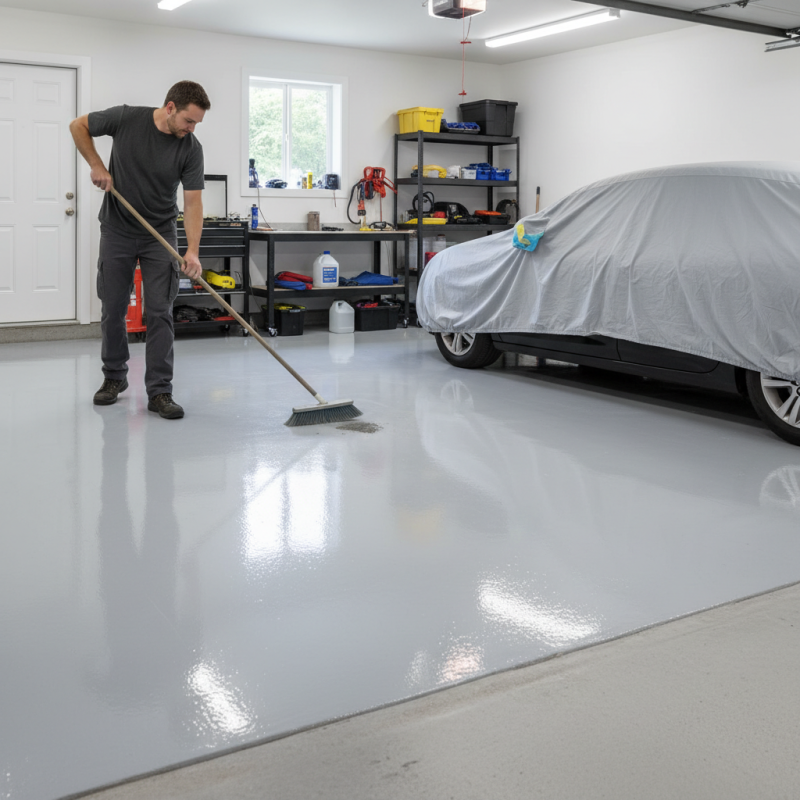
To keep your epoxy garage floors looking new, regular maintenance is essential. Dust and debris can quickly accumulate, dulling the floor’s shine. A simple daily sweep can prevent this buildup. For deeper cleaning, use a mild detergent mixed with warm water. Scrub with a soft-bristle brush. This will help remove stains while preserving the epoxy surface.
Frequent inspections are vital. Look for signs of wear or discoloration. Small chips can lead to larger problems down the line. Applying a fresh coat of sealer every couple of years is a proactive measure. This extends the lifespan and enhances the floor's appearance. Note that heavy objects can create dents, so use protective pads under equipment to avoid damage.
Accidents happen; spills are common. Promptly wipe them up to prevent stains. Some chemicals can hurt the epoxy, so avoid harsh cleaners. Reflect on your maintenance routine. Regular upkeep can be time-consuming, but neglect could lead to costly repairs. Understanding the unique needs of your epoxy floor can keep it looking pristine for years.
How to Keep Your Epoxy Garage Floors Looking New and Durable? - Regular Maintenance Practices to Extend the Lifespan of Epoxy Floors
| Maintenance Practice |
Frequency |
Purpose |
Notes |
| Regular Sweeping |
Weekly |
Remove dirt and debris |
Prevents scratches and damage |
| Mopping with Mild Detergent |
Monthly |
Deep cleaning |
Use non-abrasive cleaners |
| Spot Cleaning Stains |
As needed |
Maintain appearance |
Address spills immediately |
| Applying Floor Wax |
Every 6 months |
Enhance shine and protection |
Follow manufacturer's instructions |
| Inspect for Damage |
Monthly |
Identify issues early |
Repair cracks or peeling |
The Impact of Temperature and Humidity on Epoxy Surface Quality
Temperature and humidity play a crucial role in the quality of your epoxy garage floor. High humidity can slow down the curing process, leading to improper adhesion and a less durable surface. When the air is moist, it becomes challenging for the epoxy to bond effectively with the concrete. You may notice bubbles or uneven surfaces in the finished product. These imperfections can diminish the garage floor’s longevity and aesthetics.
On the other hand, extreme heat can cause the epoxy to cure too quickly. This rapid curing may result in cracks or peeling after a short period. It is essential to monitor both temperature and humidity before applying epoxy. Ideally, aim for a temperature between 60°F and 85°F with low humidity. This range helps ensure a strong, long-lasting finish. Operating outside these conditions may lead to unexpected results, leaving you with a floor that requires adjustments or repairs sooner than anticipated.
Proper planning can mitigate these risks. Measure humidity levels regularly, especially before application. Adjust your schedule for optimal conditions. Remember, a beautiful epoxy floor needs the right conditions to shine. Reflect on your local climate and take the time to prepare.
Common Mistakes to Avoid When Applying Epoxy in Your Garage
Applying epoxy to your garage floor can enhance its durability and aesthetic appeal. However, several common mistakes can lead to disappointing results. One frequent error is neglecting surface preparation. A clean, dry surface is essential for proper adhesion. If dirt, grease, or moisture lingers, the epoxy may peel or bubble. Take the time to scrub the floor and allow it to dry completely.
Another mistake is skimping on the curing time. Epoxy needs adequate time to cure before you can use the garage. Rushing this process can compromise the finish. It’s tempting to park your car inside soon after application, but patience is key. Also, be mindful of temperature and humidity; extreme conditions can impact the curing process.
Failing to apply the epoxy evenly is another critical point to consider. Uneven application can lead to uneven surfaces. Pour the resin in sections and use a roller for a smooth finish. Overworking the epoxy can also introduce air bubbles. If you notice bubbles, don’t panic; you can skim them off after the epoxy has cured partway.
Recognizing these pitfalls will help you achieve a stunning, long-lasting epoxy floor.
FAQS
: The curing process ensures chemical bonds form fully in epoxy garage floors, creating a strong surface.
Proper curing prevents weak spots, peeling, and extends the floor's durability.
Aim for temperatures between 70-85°F for even curing.
High humidity can slow down curing, causing bubbles and poor adhesion.
Neglecting surface preparation and rushing the curing time can lead to poor results.
No, wait for adequate curing time to avoid compromising the finish.
Apply the epoxy evenly and avoid overworking it to reduce air bubbles.
Bubbles can be skimmed off after partial curing, but patience is crucial.
Extreme heat can cause rapid curing, leading to cracks and peeling.
A well-cured floor resists scratches, stains, and wear, saving on repairs over time.
Conclusion
To maintain high performance epoxy garage floors, it is essential to start with the right epoxy coating tailored to your specific needs, ensuring long-lasting durability. Understanding the curing process is crucial, as it directly impacts the strength and longevity of the floor. Regular maintenance practices, such as cleaning and periodic inspections, will help extend the lifespan of your epoxy floors.
Moreover, temperature and humidity play significant roles in the quality and adhesion of the epoxy surface, so paying attention to environmental conditions during application is vital. Avoiding common mistakes, such as improper mixing or neglecting surface preparation, can prevent future issues and maintain the aesthetic appeal of your garage floors. By following these guidelines, you can ensure your epoxy garage floors remain looking new and durable for years to come.

 Prairie Floor