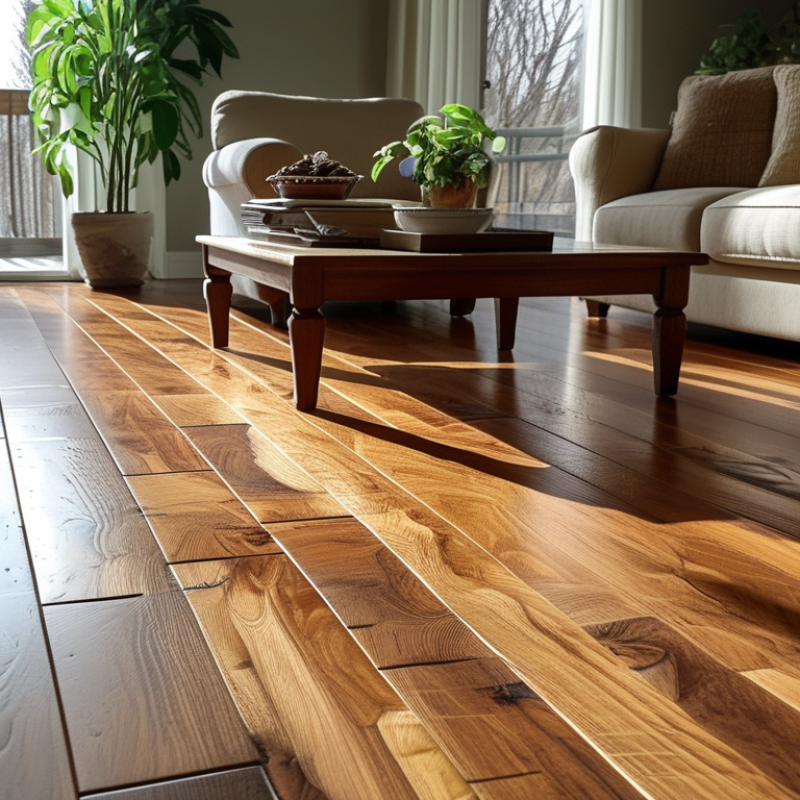
Engineered hardwood floors are popular for their beauty and durability. However, many homeowners encounter a common issue: buckling. The question often arises, "Why is my engineered hardwood floor buckling?" This perplexing problem can result from various factors, including humidity changes, improper installation, or subfloor issues.
When your floor buckles, it can be a frustrating experience. You might notice gaps or uneven surfaces that detract from the visual appeal of your home. It's essential to address this issue promptly to avoid further damage. Understanding the underlying causes of buckling is crucial. For instance, excessive moisture can lead to significant expansion and warping of the boards.
Having expertise in hardwood flooring solutions is vital. Identifying the source of the moisture and rectifying it can help. Quick fixes often include adjusting humidity levels or securing loose boards. However, each situation may require a tailored approach. Recognizing your floor's needs can lead to a lasting solution, restoring the beauty and functionality of your space. It's a journey of both action and reflection.
Buckling in engineered hardwood floors can be a troubling issue for homeowners. Understanding the causes is essential for addressing the problem effectively. One common cause of buckling is excessive moisture. Perhaps the area experienced flooding or high humidity levels. Wood absorbs moisture, leading to swelling, which causes the floorboards to curve and lift.
Another reason might be poor installation. If the planks were not secured properly or if the expansion gaps were insufficient, pressure can build up over time. Movement due to temperature changes can also exacerbate these issues. Regularly checking the climate control in your home can help prevent future problems.
Lastly, heavy furniture can lead to localized buckling. Placing heavy items without protective pads can create stress points that damage the floor. It's important to balance the weight on your floors and periodically rearrange furniture to distribute pressure evenly. Identifying these causes early can save you from more extensive repairs down the line.
When assessing the extent of damage to your engineered hardwood floors, it's crucial to identify the source of buckling. Examine the entire surface for warping and cupping. Look for gaps between the planks and check if they are lifting at the edges. High humidity or poor installation often causes these issues. A small moisture meter can be helpful in checking the moisture levels in the wood and subfloor.
After identifying the type of damage, focus on the affected areas. Use a flashlight to inspect darker corners where damage can be hidden. Consider taking notes about specific spots for future reference. If the damage is localized, you might not need a full replacement. Remember, quick fixes often won’t hold up in the long run. Reflect on what led to the buckling; fixing the root cause is essential for lasting results.
Preparing the workspace for repairing buckled engineered hardwood floors is crucial. Start by clearing the area completely. Remove furniture, rugs, and any decorative items. This helps you see the full extent of the buckling. According to industry reports, about 80% of moisture-related issues are due to inadequate air circulation and humidity imbalances. Ensure the room has proper airflow during repair.
Next, check for moisture damage. Use a moisture meter to assess the subfloor and surrounding areas. The ideal moisture content for hardwood ranges between 6% and 12%. If levels exceed this, it may indicate an underlying problem. Addressing moisture is essential to prevent recurring issues. Prepare tools such as pry bars, floor nailers, and a hammer for the repair process.
Lastly, inspect the buckled planks closely. You might find that some areas need replacement while others can be refitted. Research shows that around 30% of homeowners overlook minor repairs, leading to larger problems. Take the time to reflect on previous maintenance practices. This could save significant money in the future. Always wear protective gear, as splinters and sharp edges can pose safety risks during the repair.
Buckled engineered hardwood floors can be frustrating. Often, humidity is the culprit. High moisture levels can cause the planks to swell and bend. This problem is not uncommon in homes. Fixing it requires patience and the right techniques.
Start by inspecting your floors carefully. Look for areas where the buckling is most pronounced. You might notice gaps or unevenness in the wood. Use a moisture meter to check the humidity levels in your home. If they’re above 50%, take steps to lower them. Use a dehumidifier or improve ventilation in the area. These adjustments can help stabilize the wood.
If buckling persists, you may need to remove the affected planks. Carefully pry them up and inspect the subfloor. Ensure it’s dry and flat. Replace any damaged planks before reinstallation. Remember, it’s essential to leave proper expansion gaps. This allows the wood to breathe. Rushing this process can lead to more damage later. A careful approach will yield better results in the long run.
Preventive measures are crucial to avoid future buckling of engineered hardwood floors. One effective strategy is to maintain a consistent humidity level. Engineered hardwood can expand or contract due to moisture changes. Installing a humidistat or using a dehumidifier can help control humidity. Regularly monitoring your indoor environment can save you from extensive repairs later.
Another key practice is proper installation. Ensure that the subfloor is level and dry before laying down any engineered hardwood. It’s important to leave adequate expansion gaps at the walls and around objects like pipes. This little detail can prevent significant issues down the line. Don’t overlook the benefits of acclimating the planks. Allowing the wood to adjust to your home’s humidity can minimize the risk of buckling.
Regular maintenance plays a vital role as well. Keep your floors clean and free from excess water. Wipe up spills promptly to avoid moisture accumulation. Regularly check for any signs of wear or minor buckling. Addressing these small issues before they escalate can keep your floors looking their best. Remember, being proactive is always better than reactive when it comes to hardwood floor care.
| Fix Methods | Estimated Time | Preventive Measures | Estimated Cost |
|---|---|---|---|
| Adjust Humidity Levels | 1 Day | Use a Dehumidifier/Humidifier | $100 - $300 |
| Re-Alignment | 2-3 Hours | Leave Expansion Gaps | $50 - $150 |
| Replace Damaged Boards | 2-4 Hours | Regular Maintenance Checks | $200 - $600 |
| Install New Underlayment | 1 Day | Choose Quality Materials | $300 - $800 |
: Clear the area of furniture and rugs to see the buckling clearly.
Essential tools include pry bars, floor nailers, and a hammer.
Use a moisture meter and ensure levels are between 6% and 12%.
Address the moisture issue to prevent future buckling problems and repairs.
Maintain consistent humidity levels and monitor your indoor environment regularly.
Ensure the subfloor is level and dry, and leave expansion gaps around objects.
It helps the wood adjust to humidity, reducing the risk of buckling.
Regularly check for wear and cleanliness to prevent excessive moisture buildup.
Ignoring small issues can lead to larger, more costly problems later on.
It helps prevent injuries from splinters and sharp edges while working.
Buckling in engineered hardwood floors can be a frustrating issue for homeowners, often leading to the question, "Why is my engineered hardwood floor buckling?" Identifying the causes is essential, which can include moisture, humidity swings, or poor installation. Assessing the extent of damage allows for appropriate repairs, ensuring a more effective resolution.
Preparing the workspace and using step-by-step repair techniques can restore the floor's integrity. Common repair methods may involve adjusting the flooring to reduce pressure or replacing damaged planks. Additionally, implementing preventive measures, such as regulating indoor humidity and ensuring proper installation, can help avoid future buckling issues, maintaining the beauty and functionality of your floors for years to come.
Prairie Floor