In the evolving world of commercial flooring, understanding what makes a floor "commercial grade" is crucial. Scott Anderson, a renowned flooring expert, once stated, “High durability and functionality are key indicators of a commercial grade floor.” This underscores the importance of both strength and performance in high-traffic environments.
As businesses strive for longevity in their spaces, factors like material selection, design, and maintenance are paramount. A floor must not only withstand daily wear but also maintain an aesthetic appeal. Businesses often face dilemmas when balancing cost and quality. Investing in a true commercial grade floor can initially seem daunting, but the long-term benefits can outweigh the risks.
Challenges such as choosing suitable materials and ensuring proper installation can make this decision complex. Reflecting on these considerations allows business owners to make more informed choices. Ultimately, a thorough understanding of what defines a floor as "commercial grade" sets the foundation for sustainable and effective investments in commercial spaces.
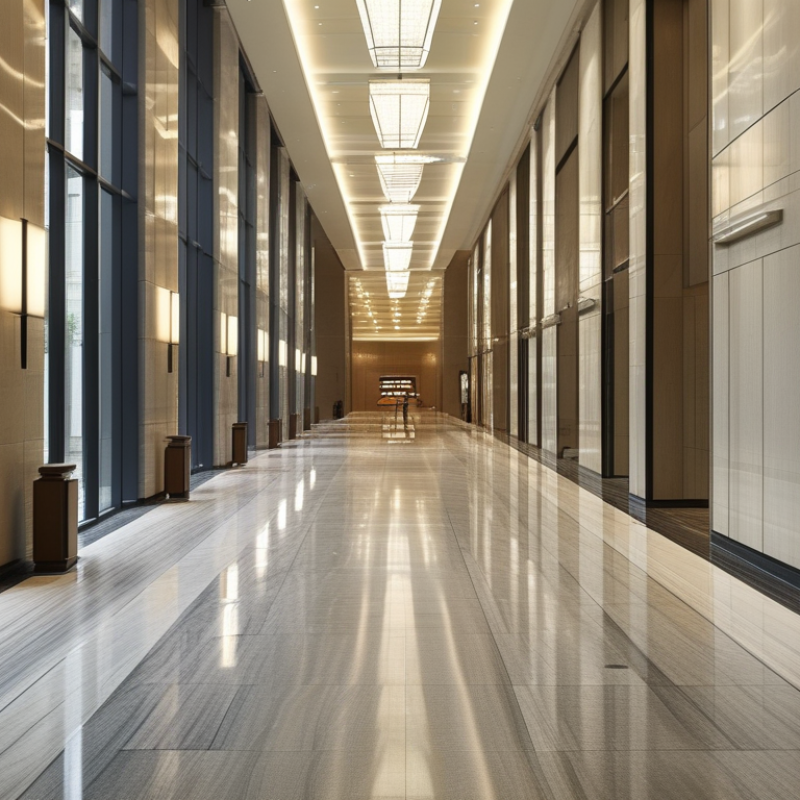
In 2026, defining what makes flooring commercial grade has become essential for industry standards. Commercial grade flooring must withstand heavy foot traffic and resist wear. Materials like vinyl and concrete are now popular choices due to their durability. However, we must also consider aesthetics. The look of flooring in commercial settings influences customer perceptions.
Key attributes include slip resistance and ease of maintenance. Floors should be easy to clean, as messes happen daily in busy environments. However, many products claim to meet these standards without proper testing. It's crucial for buyers to seek reliable certifications. Some flooring options may promise strength but fail under real-world conditions.
Sustainability is another factor. The demand for environmentally friendly materials has risen. However, not all eco-friendly options are practical for commercial use. Flooring must balance sustainability with durability. This ongoing challenge leaves room for improvement in industry practices and standards. Continued research and feedback are vital for advancing commercial grade flooring.
In 2026, commercial grade floors are defined by their innovative materials. Polyvinyl chloride (PVC) has been a staple due to its durability and resistance to wear. Recent studies show that 60% of commercial spaces now utilize PVC for its low maintenance. However, some industry experts warn of environmental concerns associated with PVC production.
Another popular choice is bio-based materials, like bamboo and cork. These materials appeal to businesses focused on sustainability. They offer similar durability to traditional options, yet have a lower ecological footprint. Data indicates that these options have seen a 25% increase in use over the past two years. Despite their benefits, questions about the long-term wear of bio-based products in high-traffic areas persist.
Additionally, rubber flooring remains a notable contender for specific commercial environments. It provides excellent shock absorbency and is often seen in gyms and hospitals. However, its initial cost can deter some businesses. Balancing budget constraints with longevity and performance is an ongoing challenge for property managers today. Each material presents unique qualities and potential drawbacks. Finding the right fit requires careful consideration and expert guidance.
| Material Type | Durability Rating | Cost per Square Foot | Maintenance Level | Sustainability Index |
|---|---|---|---|---|
| Luxury Vinyl Tile (LVT) | High | $3.50 | Low | 85 |
| Epoxy Flooring | Very High | $4.00 | Medium | 90 |
| Concrete | Extremely High | $6.00 | Low | 70 |
| Carpet Tiles | Medium | $2.50 | High | 75 |
| Laminate Flooring | Medium | $2.00 | Medium | 80 |
Commercial flooring must meet strict durability and maintenance standards in 2026. Businesses require floors that can withstand heavy foot traffic and various environmental conditions. High-quality materials often exhibit greater resilience to scratches, stains, and wear. This ensures longevity in spaces like retail stores, offices, and warehouses. Floors should also resist slip hazards, providing safety to customers and employees alike.
When it comes to maintenance, commercial flooring must be easier to clean and maintain over time. Regular upkeep often prevents long-term damage and keeps the appearance intact. Materials that are moisture resistant can significantly reduce the risk of mold or mildew in humid environments. However, not all commercial flooring offers the same level of ease when it comes to maintenance. Some options might require specialized cleaning products or frequent professional assistance.
Choosing the right flooring is a complex decision. Businesses must balance aesthetic appeal with practical needs. Floors may become scratched or discolored under heavy use. It can be challenging to maintain a pristine look in high-traffic areas. Ultimately, understanding the requirements and potential pitfalls can guide smarter flooring choices for commercial spaces.
Innovative technologies are transforming the flooring industry in 2026. With a focus on sustainability, manufacturers are adopting advanced materials that reduce environmental impact. According to a recent industry report, around 70% of new flooring products will incorporate recycled or bio-based materials by 2026. This shift not only benefits the planet but also improves indoor air quality.
Smart flooring solutions are emerging as well. Sensors embedded in floors can monitor foot traffic and help building managers optimize space usage. This technology is expected to increase efficiency by 25% in commercial spaces, as noted in a recent study from a leading architectural firm. However, challenges remain, such as ensuring data security and consumer privacy.
Moreover, aesthetic trends are shifting. Natural textures and earthy colors are preferred. Reports indicate that 65% of designers are prioritizing these elements to create a calming environment. Yet, balancing aesthetics and durability will continue to be a crucial focus. As technology evolves, the goals of functionality and environmental responsibility may clash with creative ambitions, prompting ongoing discussion in the industry.
Sustainability is becoming a vital factor in commercial flooring decisions. In 2026, companies face increasing pressure to adopt eco-friendly practices. A recent report from the Global Sustainability Institute indicates that 65% of businesses prioritize sustainability in their procurement strategies. Flooring choices significantly impact a building's overall carbon footprint.
Natural materials such as bamboo and cork are gaining traction. These options are renewable and biodegradable, appealing to environmentally conscious organizations. The same report highlights that sustainable flooring can reduce energy consumption by 15% in commercial spaces. This shift not only supports the environment but also enhances corporate image.
However, challenges remain. Many sustainable options are still viewed as costly. Some companies hesitate to invest upfront, despite potential long-term savings. Furthermore, the lack of industry standards can lead to confusion. Understanding certifications and performance metrics is crucial for informed decision-making. Balancing sustainability with cost and performance remains a complex issue in commercial flooring.
: Commercial flooring must withstand heavy foot traffic and environmental challenges. It should resist scratches, stains, and wear.
Regular upkeep prevents long-term damage. It keeps the flooring looking good and can extend its lifespan significantly.
Some flooring options require specialized products. Others might need frequent professional cleaning, which can be costly and time-consuming.
Moisture-resistant materials reduce the risk of mold and mildew. This is particularly vital in humid environments like kitchens and bathrooms.
Technologies like embedded sensors help monitor foot traffic. This allows for optimized space usage, enhancing efficiency in commercial areas.
Many manufacturers focus on sustainability. By 2026, 70% of new flooring may use recycled or bio-based materials to lower environmental impact.
Designers are favoring natural textures and earthy colors. These trends aim to create calmer environments but must balance durability with aesthetics.
Businesses must find a balance between looks and durability. High-traffic areas often show wear, making maintenance a complex issue.
Yes, data security and consumer privacy are critical challenges. Ensuring that monitoring technologies do not compromise user safety is essential.
Understanding durability, maintenance needs, and aesthetic options is crucial. Reflecting on potential pitfalls can help in making informed decisions.
In 2026, the term "What makes a floor 'commercial grade'" refers to a set of rigorous standards that prioritize durability, maintenance, and innovative materials suited for high-traffic environments. Commercial grade flooring is defined by its ability to withstand wear and tear while requiring minimal upkeep, making it ideal for businesses that demand resilience and cost-effectiveness.
Key materials utilized in contemporary commercial flooring include advanced composites and eco-friendly options that enhance performance while addressing sustainability concerns. Additionally, innovative technologies, such as smart flooring solutions and enhanced finishes, play a critical role in shaping the future of commercial spaces. The emphasis on sustainability further highlights the importance of choosing flooring that not only meets practical requirements but also embraces environmental responsibility.
Prairie Floor