Refinishing old engineered wood floors can bring back their original beauty and extend their lifespan. According to industry expert Emily Davidson, “With the right techniques, you can transform worn floors into stunning surfaces.” Understanding how to refinish old engineered wood floors is essential for any homeowner looking to revitalize their space.
These floors, while durable, can show signs of wear over time. Scuffs, scratches, and faded finishes are common issues. The process demands patience and attention to detail. It's easy to overlook aspects, leading to subpar results. Selecting the right products is crucial. Not all finishes work well with engineered wood.
Many try DIY refinishing but may struggle. Hiring a professional ensures expertise. However, understanding the basic techniques helps homeowners make informed decisions. Refinishing can be a rewarding project. When done correctly, it not only rejuvenates the floors but also enhances the entire room's appeal.
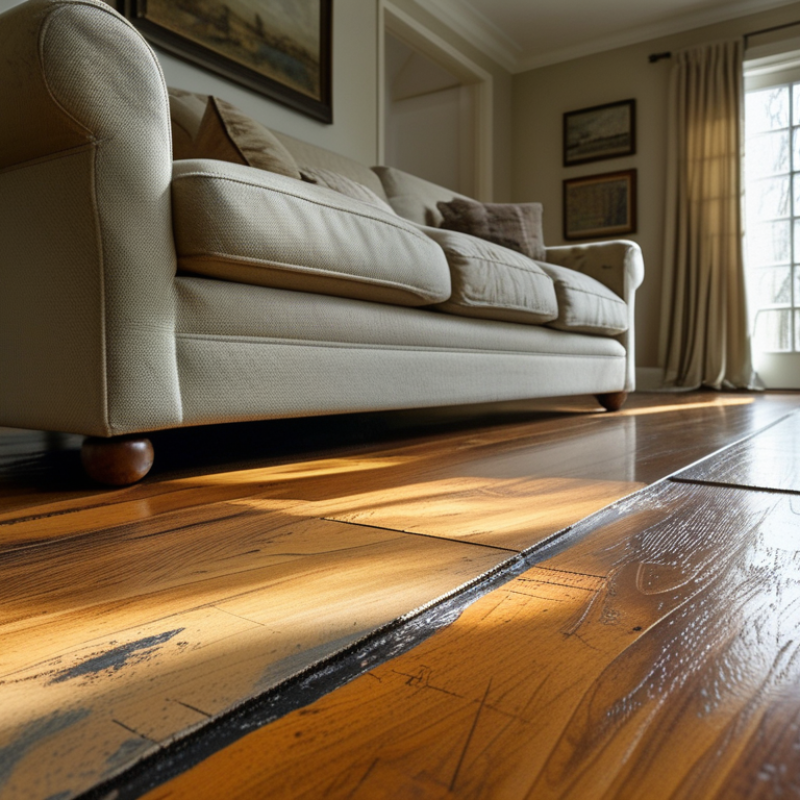
Choosing the Right Tools for Refinishing Engineered Wood Floors
When refinishing engineered wood floors, choosing the right tools is crucial. Begin with a quality
sander. A drum sander is effective but
requires skill. Beginners might struggle with its weight and power. An orbital sander is user-friendly,
but be cautious; it can leave swirl marks if not handled properly. Wear protective gear to avoid dust inhalation.
Next, select the right grit sandpaper. Start with a coarser grit, like 40 or 60. This grit removes
the old finish effectively. As you refine the floor, switch to finer grits, such as 120 or 220,
for a smooth finish. Testing on a small area first is wise. This way, you can see how the wood reacts before committing.
Don’t forget about edge sanders. These tools help you reach corners and
tight spaces. Many overlook them, resulting in uneven finishes. Apply wood filler to any dents or scratches before starting.
After sanding, a good vacuum will clean dust. A clean surface is vital for an even finish. Finally, quality sealants can enhance
durability. Choose one designed for engineered wood, and follow all manufacturer recommendations.
Assessing the Condition of Your Engineered Wood Flooring
Assessing the condition of engineered wood flooring is a crucial step before refinishing. According to industry reports, nearly 30% of homeowners neglect this initial evaluation. This often leads to subpar results and wasted resources. Visual inspection is your first line of defense. Look for signs of wear, scratches, and discoloration. If your floors seem uneven, that could indicate underlying issues.
Tip: Use a moisture meter to assess humidity levels in the wood. High moisture can weaken the floor structure, making refinishing a challenge. Experts suggest that moisture content should ideally be below 12%.
Another important factor is to check for squeaks or movement. These noises can signify loose boards or even structural problems. Repairing these issues first can ensure a smoother refinishing process.
Tip: Clean the surface thoroughly before assessment. Dirt can disguise scratches and dents, leading you to underestimate the floor's condition. A clean surface will help you identify all imperfections accurately. Regular maintenance can extend the life of your engineered wood floors significantly.
Assessment of Engineered Wood Flooring Condition
Preparing the Surface: Cleaning and Repairing Old Floors
When refinishing old engineered wood floors, preparing the surface is crucial. Start by thoroughly cleaning the floors. Use a vacuum to remove dust and debris. Follow with a damp mop to remove any stubborn dirt. Ensure the surface is completely dry before moving forward. This step will help in achieving a smooth finish.
Next, inspect the floor for any damage. Look for scratches or dents that need repair. Use wood filler to address small imperfections. For deeper scratches, sanding might be necessary. Remember, rough patches can affect the final look. After repairs, perform another round of cleaning. Make sure no residue is left behind. These steps prepare the surface for refinishing, allowing for a successful outcome.
Applying the Right Finish: Types and Techniques for Engineered Wood
When refinishing engineered wood floors, choosing the right finish is crucial. Water-based polyurethane is a popular choice. It dries quickly and has low odor. It is perfect for busy households. However, it may not provide the warmth some prefer. Oil-based finishes, on the other hand, have a richer color but take longer to dry. They can also have a strong smell.
Applying the finish requires careful technique. Always prepare the surface properly. Start with sanding to remove the old finish. Use a floor sander for even results. Ensure dust and debris are completely removed before applying the finish. Consider using a roller or brush for application. Thin coats are better than thick ones. Allow each coat to dry fully for a professional-looking outcome. Sometimes, imperfections will appear even with the best techniques. It’s essential to assess them critically and decide whether to accept them or re-do the section.
Choosing the type of finish involves considering both aesthetics and durability. You might prefer a matte finish for a modern look. Alternatively, a glossy finish can highlight the wood's natural beauty. Each choice has its pros and cons. It's important to weigh the options carefully. The goal is to enhance the character of your engineered wood floor while ensuring a lasting result.
10 Essential Tips for Refinishing Old Engineered Wood Floors
| Tip |
Description |
Recommended Finish Type |
Application Technique |
| Clean Thoroughly |
Remove dirt and dust before refinishing. |
Water-based poly |
Mop or vacuum |
| Assess Damages |
Identify scratches, dents, and water damage. |
Oil-based poly |
Visual inspection |
| Choose the Right Grit |
Use appropriate sandpaper grit for refinishing. |
Sanding sealer |
Orbital sander |
| Test Finish in a Small Area |
Ensure compatibility before full application. |
Matte finish |
Brush or pad |
| Apply Finish Evenly |
Use even strokes to avoid streaks. |
High-gloss poly |
Long-handled roller |
| Allow Drying Time |
Follow manufacturer’s drying times. |
Any recommended finish |
N/A |
| Wait Before Walking |
Let the finish cure before using the floor. |
Same as final coat |
N/A |
| Avoid Excessive Moisture |
Control humidity levels during and after refinishing. |
Any moisture-resistant finish |
Hygrometer measurement |
| Consider Professional Help |
Hire experts if condition is too poor. |
Varies based on finish |
Consultation |
Maintaining Your Newly Finished Engineered Wood Floors for Longevity
Maintaining your newly finished engineered wood floors is crucial for their longevity. Regular cleaning is essential. Use a soft broom or a microfibre mop to avoid scratches. Water can damage the wood, so damp mopping is advisable. Too much moisture can lead to warping. Pay attention to high-traffic areas; they wear out faster.
Consider placing mats at entrances to reduce dirt and grit. These small changes can make a significant difference. However, don’t overlook the importance of humidity control. Engineered wood is sensitive to moisture levels. Keep your home's humidity between 30% and 50% to prevent issues. Failing to monitor humidity can lead to gaps and buckling.
Avoid wearing high heels on the floors. It seems trivial, yet it causes dents. You can also use protective pads under furniture to prevent scratches. Refrain from dragging items across the floor. Instead, lift them to maintain the finish. Regularly check for signs of wear. Act quickly if you notice any damage. Repairing early can save time and cost later.
Conclusion
Refinishing old engineered wood floors can breathe new life into your living space, and understanding how to refinish old engineered wood floors is essential for achieving a professional-looking result. Start by choosing the right tools, including sanders and brushes tailored for engineered wood. Next, assess the condition of your floors, identifying areas that require repair before moving on to the cleaning and surface preparation stage. This ensures that the new finish adheres properly and enhances the overall appearance.
Applying the right finish is crucial; explore various types and techniques that suit your flooring. Finally, to maintain the longevity of your newly finished floors, establish a regular cleaning routine and adopt preventive measures to protect against wear and tear. By following these tips, you can successfully revitalize your engineered wood floors and extend their life while enjoying their beauty for years to come.

 Prairie Floor