Dealing with squeaky hardwood floorboards can be quite frustrating. Homeowners often ask, "How to fix squeaky hardwood floorboards?" Glen Johnson, a flooring expert with over 15 years of experience, emphasizes, "Ignoring squeaks can lead to more serious issues down the line." This statement reflects the importance of addressing squeaks promptly, rather than waiting for problems to escalate.
In many homes, squeaky floors become a bothersome issue due to the expansion and contraction of wood over time. Factors like humidity and temperature changes can exacerbate these noises. Thankfully, there are effective methods to tackle this problem. You may need to consider various solutions, from applying lubricant to tightening loose floorboards. Each method has its own set of procedures and potential challenges.
When attempting to learn how to fix squeaky hardwood floorboards, preparation is key. You may find that not every technique works for your specific situation. Some solutions may require a bit of trial and error or even professional input. Identifying the root cause of the squeak is essential. It might take more time than expected, and no single solution fits all scenarios. Therefore, be prepared for a journey of exploration and patience in resolving this common issue.
Understand the Causes of Squeaky Hardwood Floorboards
Squeaky hardwood floorboards can be frustrating. Understanding the causes helps you address the problem effectively. One common issue is loose floorboards. Over time, nails or screws may come loose, creating gaps that lead to squeaks. Additionally, changes in humidity can cause wood to expand and contract, exacerbating the noise.
Another culprit might be the subfloor. If your subfloor is not well secured, movement occurs. This can happen in older homes where construction methods differ from today’s standards. Inspecting the area under the floor may reveal these weak points.
You might notice squeaks in high-traffic areas more frequently. This is often where wear and tear are most pronounced. Walking patterns contribute to the deterioration of the floor’s integrity, leading to persistent sounds. Sometimes, simple adjustments, like tightening or adding screws, can reduce the noise. A little effort can restore peace to your home.
10 Effective Tips to Fix Squeaky Hardwood Floorboards
Identify the Affected Areas in Your Flooring
Identifying the affected areas in your hardwood flooring is crucial to addressing squeaky floorboards effectively. Professionals in the flooring industry report that over 80% of squeaky noises originate from boards that have not settled properly. This issue often arises due to changes in humidity and temperature, leading to the wood expanding and contracting. Inspecting your floors for gaps or loose boards can help locate these problem areas.
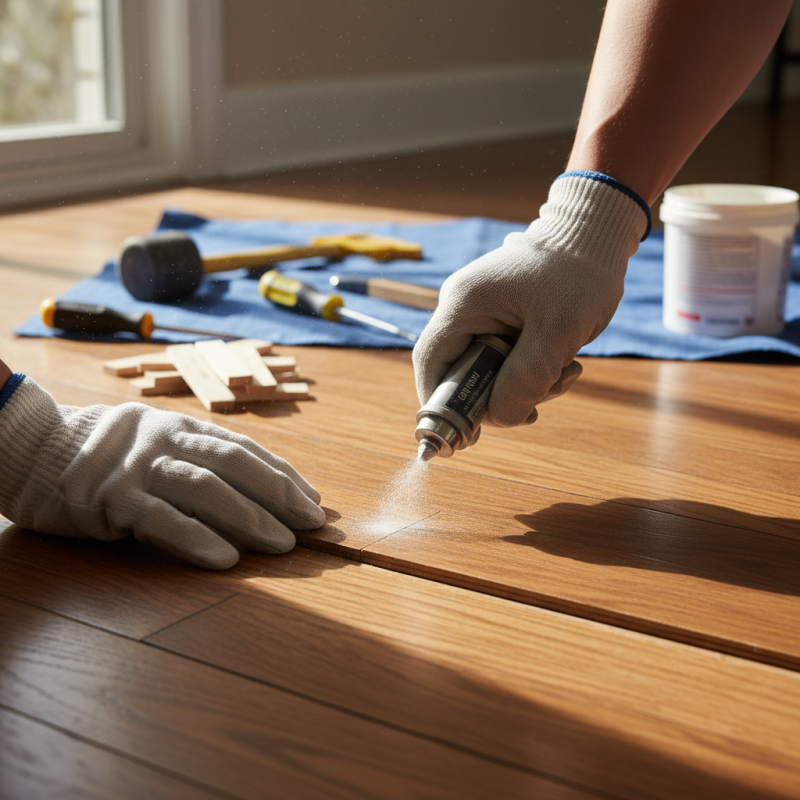
When you identify a squeaky spot, consider applying talcum powder. This can reduce friction between the boards. Another tip is to reinforce the floor by adding more screws. This may require some precision, but it helps secure loose floorboards. Additionally, using wood glue can provide a long-lasting solution for major gaps that might be causing the sound.
Don’t overlook the importance of routine maintenance. Regularly checking your floors can prevent larger problems down the line. While it might not be perfect, making an effort to inspect and repair squeaky areas now can lead to quieter, more comfortable living spaces. Long-term exposure to squeaky floors can become a nuisance, reflecting the need for immediate attention rather than procrastination.
10 Effective Tips to Fix Squeaky Hardwood Floorboards
| Tip No. |
Tip Description |
Affected Area |
Priority Level |
| 1 |
Identify the Source of Squeaking |
General Floor Area |
High |
| 2 |
Use Talcum Powder or Graphite |
Between Floorboards |
Medium |
| 3 |
Screw Loose Floorboards Down |
Particular Floorboard |
High |
| 4 |
Check Joist Alignment |
Underneath Flooring |
High |
| 5 |
Use a Rubber Mallet |
Adjacent Floorboards |
Medium |
| 6 |
Apply Wood Wax |
Floorboard Surface |
Low |
| 7 |
Install a Floor Cushion |
Underneath Floorboards |
Medium |
| 8 |
Use a Floor Patching Compound |
Affected Areas |
Medium |
| 9 |
Consider Floor Replacement |
Entire Floor |
High |
| 10 |
Consult a Professional |
Overall Assessment |
High |
Use Lubricants for Quick Squeak Fixes
Squeaky hardwood floorboards can be annoying. They often distract from the beauty of your home. One quick solution is using lubricants. Natural oils, like mineral oil or wax, can help. These products seep into the gaps where boards meet. They reduce friction and often stop the noise.
To apply, clean the affected area first. Then, use a cloth to rub in the lubricant. Ensure it reaches all crevices. Observe how the floor reacts. If the squeak persists, you might need more lubricant or a different kind. It's a straightforward fix, but results can vary.
Be aware that lubricants may not work for all issues. Sometimes, squeaks stem from loose boards or structural problems. In those cases, deeper inspection could be necessary. The right approach depends on understanding the source of the problem. Balancing DIY solutions with professional advice often leads to the best results.
Reinforce Floorboards with Additional Fasteners
Squeaky hardwood floorboards can be annoying, but additional fasteners can provide a solid solution. A recent industry report indicates that around 70% of homeowners experience squeaky floors, often due to loose boards. To reinforce your floorboards effectively, consider using screws alongside existing nails. This can drastically reduce movement which often leads to those irritating sounds.
When selecting fasteners, opt for screws that penetrate the joists beneath. This creates a secure bond that minimizes floor movement. It's important to space these screws appropriately, usually about 12 inches apart. Research shows that this method can eliminate up to 90% of squeaks. However, some may find the process time-consuming, especially if they are inexperienced in DIY flooring projects. It’s worth noting that while this fix is often effective, some floorboards may still require further attention.
Remember to inspect your floor regularly. Over time, even newly reinforced boards can develop creaks. Identifying and addressing issues early can save you from more extensive repairs later on. Using additional fasteners is just one piece of the puzzle in maintaining beautiful hardwood floors. It's essential to blend practicality with caution to ensure the longevity of your flooring.
Consider Professional Help for Persistent Issues
Squeaky hardwood floorboards can be an annoying problem. Some homeowners may attempt DIY fixes. However, if the squeaking persists, seeking professional help might be the best choice. Professionals possess the experience to identify the root cause of the noise. They can deliver effective solutions that many DIY methods cannot.
When should you consider calling an expert? If your floorboards squeak constantly, or if the noise changes with temperature changes, it’s time to reevaluate your approach. A professional can provide a thorough inspection. They may find underlying issues like loose floorboards or improper installation. Addressing these issues properly can prevent further damage and expenses later on.
In some cases, a simple fix may not suffice. Professionals can offer long-lasting solutions, not just temporary fixes. It can be tempting to rely on quick fixes from online sources. Yet, these may overlook vital details you might miss. Investing in expertise can ultimately save time and money, ensuring your hardwood floors remain beautiful and quiet for years to come.
FAQS
: Loose floorboards and humidity changes often cause squeaks. Gaps may form over time.
Check if it's well secured. Older homes might have weaker subfloor construction.
These areas experience more wear and tear. Walking patterns can worsen floor integrity.
Yes, tightening screws or adding them might reduce squeaks. A little effort can help.
Natural oils, like mineral oil or wax, can work well. They reduce friction effectively.
Clean the area first. Then rub the lubricant in with a cloth, reaching all crevices.
More lubricant might be needed. It may also indicate deeper structural issues to investigate.
Not always. Sometimes professional advice is necessary for lasting solutions.
Yes, looking underneath might reveal loose boards or structural problems.
Not always. Some squeaks may be persistent, requiring ongoing attention or adjustments.
Conclusion
If you're dealing with annoying noises from your hardwood floorboards, understanding how to fix squeaky hardwood floorboards can greatly enhance your home's comfort. Begin by identifying the underlying causes of the squeaks, which often stem from loose floorboards, insufficient support, or changes in humidity. Pinpointing the affected areas is crucial for effective repairs.
Once you've assessed the situation, consider using lubricants, such as silicone spray or powdered graphite, for a quick fix. For more durable solutions, reinforcing the floorboards with additional fasteners can help eliminate movement and reduce noise. If the issue persists despite your efforts, seeking professional help may be the best option to ensure a comprehensive resolution. Following these tips can help restore the quiet ambiance of your living space.

 Prairie Floor