Cork has emerged as a popular option in sustainable flooring choices. But why is cork a renewable flooring resource? Dr. Emily Carter, an expert in sustainable materials, emphasizes, "Cork harvesting supports environmental balance without harming trees." This characteristic sets cork apart as a remarkable flooring material.
Cork is harvested without cutting down trees. Instead, the cork bark is removed, allowing the tree to regenerate. This process takes place every nine years, showcasing its renewability. Cork forests also support biodiversity. They provide habitats for various wildlife species, enhancing ecosystem health.
Additionally, cork flooring offers practical benefits. It is naturally resistant to mold and mildew. This makes it an ideal choice for home environments. However, some might wonder about its durability compared to traditional materials. While cork is resilient, it can be susceptible to dents and scratches. Understanding both the strengths and weaknesses of cork is essential. This reflection is vital as homeowners explore sustainable choices in flooring.
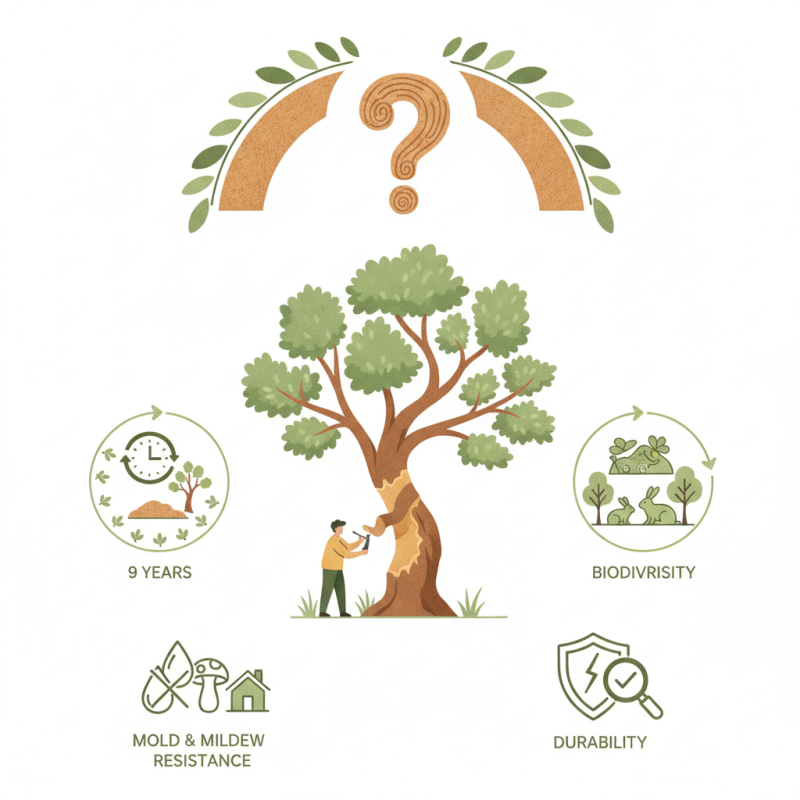
Cork, a unique flooring material, boasts natural properties that underline its sustainability. This renewable resource is harvested from the bark of cork oak trees. This process does not harm the tree and allows it to regenerate. Reports from the Forest Stewardship Council indicate that cork forests sequester carbon effectively—storing around 14 million tons of CO2 annually. Such benefits highlight cork's role in combating climate change.
The composition of cork contributes to its eco-friendly profile. Cork is naturally antimicrobial, which reduces the need for chemical treatments. Its unique cellular structure provides excellent insulation, leading to energy savings in heating and cooling. A study by the European Commission shows that using cork flooring can result in up to 30% energy savings when compared with conventional flooring options. However, challenges exist. The production process can generate waste, and the industry must improve in minimizing its environmental footprint.
While cork offers remarkable benefits, there are areas for reflection. Sourcing practices can vary, leading to concerns over sustainability if not managed properly. The ongoing demand for cork flooring should stimulate responsible harvesting. Consumers must prioritize products certified by reputable organizations. Balancing demand with ecological responsibility is essential for the future of cork as a flooring option.
| Property | Description | Sustainability Benefits |
|---|---|---|
| Renewable Resource | Cork is harvested from the bark of cork oak trees without harming the tree itself. | Promotes forest conservation and biodiversity. |
| Carbon Sequestration | Cork trees absorb substantial amounts of CO2 from the atmosphere as they grow. | Helps mitigate climate change by reducing greenhouse gases. |
| Durability | Cork flooring is resilient, water-resistant, and can last for decades. | Reduces the need for frequent replacements, minimizing waste. |
| Natural Insulator | Cork has excellent thermal and acoustic insulation properties. | Enhances energy efficiency in buildings, lowering heating and cooling costs. |
| Biodegradable | At the end of its life cycle, cork can decompose naturally. | Reduces landfill waste and environmental impact. |
: Cork comes from the bark of cork oak trees.
Harvesting does not harm the tree; it allows the bark to regenerate.
Cork absorbs carbon dioxide, helping to combat climate change.
Yes, cork can lead to energy savings of up to 30% compared to conventional flooring.
Yes, cork decomposes naturally within six months to two years.
Look for products certified for sustainable harvesting and eco-friendly practices.
The production process can create waste, and sustainable practices must improve.
Yes, around 30% of cork is recycled, supporting a circular economy.
Cork is typically harvested once every nine years.
Awareness is crucial for promoting sustainable practices and proper disposal methods.
Cork is increasingly recognized as a sustainable choice for flooring due to its unique natural properties and renewable harvesting process. The bark of the cork oak tree is harvested without harming the tree itself, allowing it to regenerate and continue to thrive. This renewable flooring resource contributes to environmental conservation by reducing deforestation and maintaining biodiversity.
In addition to its eco-friendly harvesting, cork flooring offers significant environmental benefits compared to alternatives, such as lower carbon emissions during production and improved insulation properties. Its durability and longevity make it a cost-effective choice, as it can withstand wear and tear over time. Furthermore, cork is biodegradable, providing end-of-life options that minimize waste, reinforcing the question, "Why is cork a renewable flooring resource?" Overall, cork stands out as a responsible flooring option that aligns with sustainable living practices.

 Prairie Floor