When considering new flooring for your home, two popular options emerge: SPC and WPC. Understanding the nuances of these materials is crucial for making an informed decision. Many homeowners wonder, "What is the difference between SPC and WPC flooring?" Both types of flooring offer unique benefits, but they serve different needs.
SPC, or Stone Plastic Composite, is known for its durability and water resistance. It's often ideal for high-traffic areas. WPC, or Wood Plastic Composite, provides a softer feel and better insulation. Choosing between these options can be challenging, especially without clear information. Recognizing your lifestyle, budget, and aesthetic preferences is important in this process.
While both SPC and WPC have their merits, each has limitations too. SPC is harder underfoot, which may not be ideal for everyone. Conversely, WPC may not perform as well in humid environments. Evaluating these aspects can guide you toward the best choice for your space.
Understanding SPC and WPC Flooring: Definitions and Characteristics
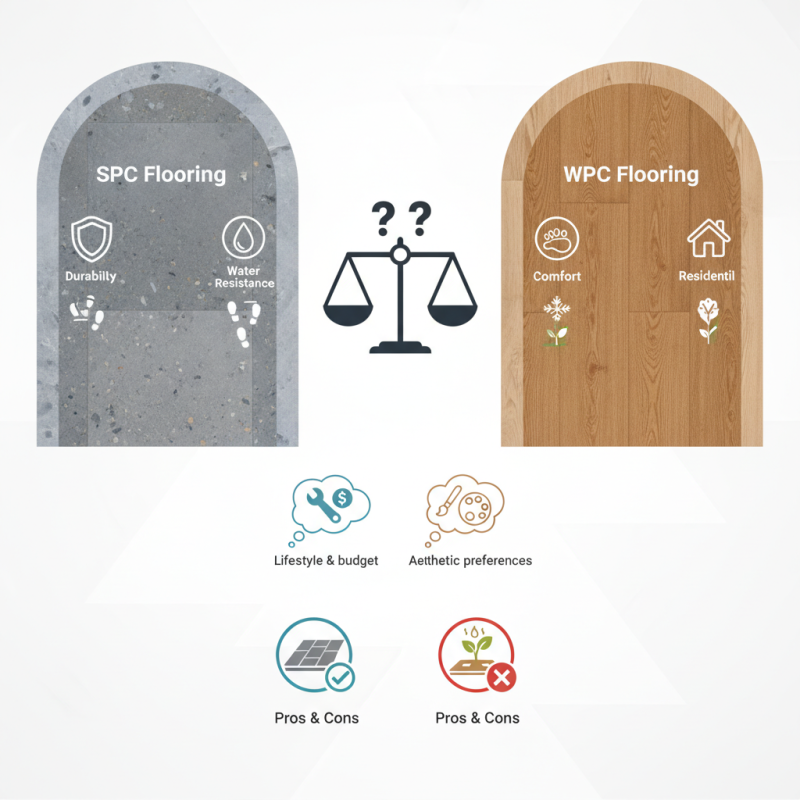
SPC (Stone Plastic Composite) and WPC (Wood Plastic Composite) are two popular flooring options in the market today. SPC is known for its durability. It consists of a rigid core made of stone and plastic. This makes it waterproof and resistant to scratches. Its dense structure provides an excellent sound barrier, making it suitable for busy households.
[Image]
On the other hand, WPC feels warm and comfortable underfoot. It is made from a combination of wood fibers and plastic. This gives it a more natural look and texture. WPC is also water-resistant, but not entirely waterproof. While SPC is ideal for high-traffic areas, WPC might be better for residential spaces.
Choosing between SPC and WPC can be challenging. One factor could be your lifestyle. If you have pets or kids, the durability of SPC may be a better match. However, WPC can bring warmth to your home. Not all spaces require the heavy-duty nature of SPC. It's essential to weigh your needs against the unique features of each flooring type.
Key Differences Between SPC and WPC Flooring Materials
When choosing between SPC and WPC flooring, it’s essential to understand their key differences. SPC (Stone Plastic Composite) flooring combines limestone and stabilizers, making it dense and durable. WPC (Wood Plastic Composite) flooring, on the other hand, uses a blend of wood and plastic, providing a warmer feel underfoot. This fundamental difference impacts their installation, longevity, and performance, especially in varying climates.
Tips: Consider the temperature of your space. SPC is more effective in areas with fluctuating temperatures. It handles expansion and contraction better than WPC. If you live in a humid climate, WPC may be more at risk of warping. Pay attention to any water exposure as well; SPC is often a more suitable option for moisture-prone areas.
Both flooring options have their pros and cons. SPC is ideal for high traffic areas due to its rigidity. However, you might find WPC has better sound absorption qualities, making it a choice for residential settings. Evaluate your needs carefully. Think about foot traffic and your lifestyle before making a decision. Ultimately, both options offer unique benefits to enhance your space.
Comparison of SPC and WPC Flooring Options
Advantages and Disadvantages of SPC Flooring
SPC flooring, or Stone Plastic Composite, offers a durable and water-resistant option for many homeowners. One significant advantage is its stability. SPC is less likely to warp or swell when exposed to moisture. This makes it an ideal choice for bathrooms and kitchens. Additionally, its rigid core provides comfort underfoot while also minimizing noise levels.
However, SPC flooring is not without its drawbacks. The installation process can be complex. Uneven subfloors may require additional preparation. This could lead to unexpected costs and time delays. Moreover, while SPC is waterproof, it still can be scratched or damaged. Heavier furniture or pets may leave marks that are difficult to repair.
Homeowners must weigh these factors carefully. Ultimately, choosing SPC flooring necessitates thoughtful consideration. Assess the specific needs of your space. The longevity of SPC flooring is appealing, but reflect on your lifestyle too. It may not suit every situation. Evaluate these aspects before making your final decision.
Advantages and Disadvantages of WPC Flooring
WPC (Wood Plastic Composite) flooring is a popular choice for many homeowners. Its unique blend of wood fibers and plastic offers a durable option. This material is water-resistant, making it suitable for bathrooms and kitchens. Installation is typically straightforward, which appeals to DIY enthusiasts. However, there are drawbacks to consider.
One significant disadvantage is its susceptibility to scratches. Although WPC is more resilient than traditional hardwood, pets and heavy furniture can still cause damage. Additionally, not all WPC products are made equal. Some may contain lower-quality materials, affecting durability. Environmental concerns also arise; not all manufacturers use sustainable practices.
WPC flooring can be prone to fading over time. Direct sunlight may cause some colors to dull. Homeowners might find it necessary to replace faded planks sooner than expected. This longevity issue is critical to think about. Choosing WPC flooring requires careful consideration of these pros and cons. Make informed decisions based on your specific needs and lifestyle.
Factors to Consider When Choosing Between SPC and WPC
When choosing between SPC (Stone Plastic Composite) and WPC (Wood Plastic Composite) flooring, several factors are crucial. SPC is known for its density and durability. Reports suggest it can withstand a variety of harsh conditions. It is often preferred in areas with high moisture levels, such as bathrooms and kitchens. In fact, studies indicate that SPC can handle over 20% more floor traffic than its WPC counterpart.
WPC flooring, meanwhile, offers a softer feel and is often chosen for residential applications. It typically has a thicker core, providing comfort underfoot. However, WPC is less resistant to water. According to industry analyses, it holds up better in standard humidity but struggles in extreme wetness. This aspect can lead to concerns about long-term performance.
Cost is another consideration. SPC tends to be more affordable due to its manufacturing process. Reports highlight that SPC costs are about 10-15% lower than WPC on average. Buyers should consider installation and maintenance rates. Some might overlook these details. Understanding nuances can lead to better choices for specific needs.
FAQS
: SPC flooring combines limestone and stabilizers, creating a dense and durable material.
WPC flooring blends wood and plastic, offering a warmer feel underfoot compared to SPC.
SPC is more suitable for humid areas due to its resistance to moisture and warping issues.
Yes, WPC has better sound absorption qualities, making it ideal for residential settings.
Yes, WPC can be prone to scratches and fading, and not all products are of high quality.
SPC is better for high traffic areas due to its rigidity, while WPC is softer and quieter.
No, SPC is typically 10-15% cheaper than WPC, making it a more affordable option.
WPC installation is straightforward, appealing to DIY enthusiasts, while SPC requires different methods depending on conditions.
Direct sunlight can fade WPC colors over time, potentially requiring early replacements.
Consider your lifestyle, foot traffic, and exposure to moisture for the best flooring decision.
Conclusion
Choosing between SPC (Stone Plastic Composite) and WPC (Wood Plastic Composite) flooring can significantly impact the aesthetics and functionality of your space. Both types offer unique characteristics and benefits that cater to various needs. What is the difference between SPC and WPC flooring? SPC is generally denser and more durable, making it ideal for high-traffic areas and environments prone to moisture. In contrast, WPC provides a warmer feel and superior underfoot comfort, appealing to those prioritizing comfort over heavy foot traffic.
When selecting the right flooring, consider factors such as environmental conditions, installation methods, and personal preferences regarding aesthetics and maintenance. Each option has its advantages and disadvantages; SPC floors offer strength and stability, while WPC floors excel in comfort and resilience. Understanding these differences will help you make an informed decision tailored to your specific requirements.

 Prairie Floor