In today's real estate market, the importance of sustainable choices cannot be overstated. Homebuyers are increasingly interested in eco-friendly options that offer health, environmental, and economic benefits. This brings us to the significant question: "Why are sustainable floors better for resale value?"
Choosing sustainable flooring materials can enhance a home’s appeal. Bamboo, cork, and reclaimed wood are popular choices that resonate with buyers. Not only do these materials look beautiful, but they also signal a commitment to environmental stewardship. Homes with sustainable features often attract buyers willing to pay a premium.
However, investing in sustainable floors isn’t just about aesthetics or immediate gains. It requires careful consideration of installation choices and long-term maintenance. Homeowners must weigh the costs against potential resale value. While sustainable floors can yield better returns, the initial investment may be daunting. It's essential to reflect on personal priorities and market trends.
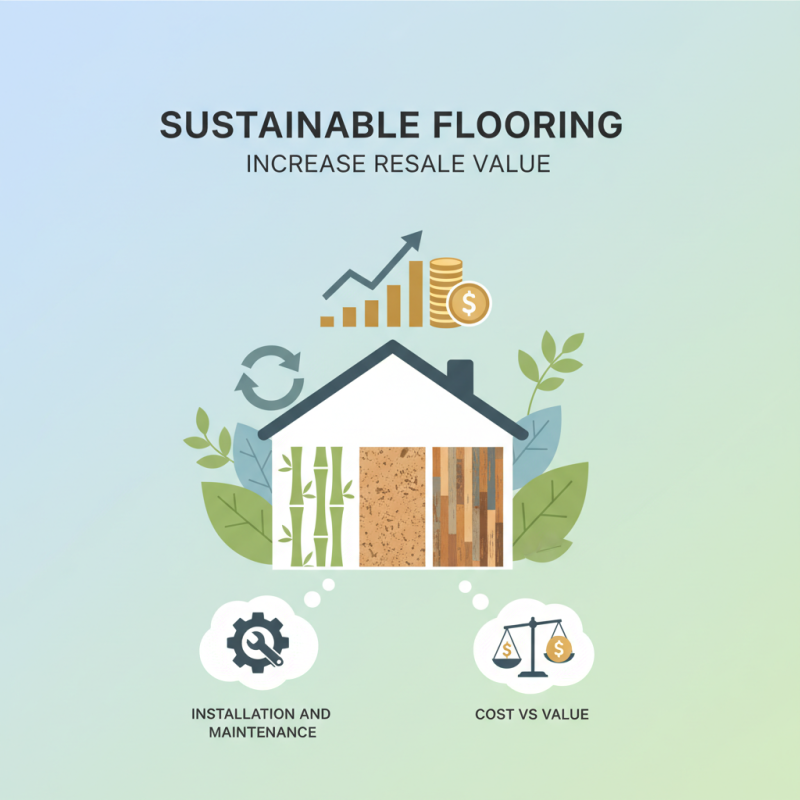
Sustainable flooring options are becoming increasingly popular among homeowners. Statistics show that 74% of homebuyers are willing to pay more for a property with eco-friendly features. This willingness can enhance resale value significantly. Sustainable floors, such as bamboo and cork, not only help the environment but also attract environmentally conscious buyers.
Bamboo flooring, for example, is known for its rapid growth and minimal impact on forests. Treatments used on bamboo ensure durability and can last over 25 years. Additionally, cork is harvested without harming the tree, making it an attractive choice for those who value sustainability. Reports indicate that homes with sustainable features sell 10-15% faster than conventional homes.
However, while many homeowners appreciate these options, some may question whether the initial investment is justified. Sustainable floors can be more expensive upfront. Yet, the long-term savings, both in maintenance and energy efficiency, can make them worthwhile. Buyers often prioritize homes that offer eco-friendly benefits, which can enhance future resale value.
Sustainable flooring options have gained traction for their economic advantages in home resale. Offering these floors can elevate a property's appeal. Buyers today are more environmentally conscious. They often prefer homes with sustainable features, increasing demand.
Homes with sustainable floors tend to sell faster. Reports indicate homes with eco-friendly materials can attract higher offers. Potential buyers appreciate lower long-term costs. Energy-efficient floors contribute to lower utility bills. This not only benefits them but also enhances the value of the home in the eyes of savvy purchasers.
Investing in sustainable materials can also reflect positively on the homeowner's brand. However, some might wonder if the initial costs outweigh the benefits. This requires careful consideration. It's essential to balance upfront expenses with potential future gains. Sustainable flooring represents a forward-thinking approach. Choosing eco-friendly options invites a modern lifestyle that resonates with today's buyers.
Home buyers today are more conscious than ever about sustainability. They often prefer eco-friendly materials. Sustainable floors can significantly influence their purchasing decision. Buyers are looking for homes that align with their values. This shift is transforming the real estate market.
Natural materials like bamboo and cork are increasingly desirable. These options not only look great but also come with lower carbon footprints. Many buyers appreciate the health benefits of such floors. They contribute to better indoor air quality. Yet, some may worry about durability. It's important to show how sustainable floors can withstand wear over time.
Moreover, the investment in sustainable flooring can yield higher resale values. Homes equipped with such materials often sell faster. This is due to the rising demand among eco-conscious buyers. However, it's vital to remember that not all sustainable options are created equal. Some may lack the expected quality. Therefore, careful selection is essential to ensure long-term satisfaction.
Sustainable flooring options have gained traction among homeowners. This trend is not just about aesthetics or environmental benefits. It's also about long-term financial gain. Eco-friendly flooring materials, like bamboo and cork, often retain their value well. They appeal to a growing market of eco-conscious buyers.
When assessing resale value, consider durability. Sustainable floors tend to endure wear better than conventional options. They may also require less maintenance, saving homeowners money over time. However, the market is still evolving. Some buyers may overlook these benefits. Their lack of awareness can hinder resale opportunities.
Investing in sustainable flooring is a reflection of values. Buyers are increasingly searching for homes with green features. However, trends fluctuate, and what seems desirable today may not hold the same appeal years from now. Balancing eco-friendliness with style and practicality is key in today's market.
| Flooring Type | Initial Cost ($/sq.ft) | Resale Value Increase (%) | Environmental Impact Score (1-10) | Durability (Years) |
|---|---|---|---|---|
| Bamboo Flooring | $5.00 | 15% | 8 | 20 |
| Cork Flooring | $4.50 | 10% | 9 | 25 |
| Recycled Wood Flooring | $6.00 | 12% | 10 | 30 |
| Linoleum Flooring | $3.50 | 8% | 7 | 40 |
| Natural Stone Flooring | $10.00 | 20% | 6 | 50 |
In today's real estate market, sustainability is not just a trend; it's an asset. Many buyers are actively looking for homes that feature sustainable flooring options. A recent report by the National Association of Realtors found that 73% of homebuyers prefer energy-efficient properties. This preference influences home value positively. Sustainable floors, such as bamboo or reclaimed wood, appeal to eco-conscious consumers, enhancing a property's marketability.
Real estate professionals can leverage this shift. Green building standards are becoming crucial. According to the US Green Building Council, properties with sustainable features can sell for up to 30% more than conventional homes. Investors recognize the long-term savings and benefits of energy-efficient materials. However, not all sustainable choices offer equal returns. It’s essential to conduct thorough market research before suggesting upgrades.
Moreover, the perception of sustainability can vary by region. Not every market prioritizes eco-friendly options. Agents must understand local buyer preferences. Missteps can lead to unnecessary expenses. Rather than assume what’s popular, data-driven strategies should guide renovation decisions. Engaging with local communities can provide valuable insights into what buyers desire most. Ultimately, embracing sustainability requires an informed approach that balances investment with market demand.
: Homeowners value aesthetics, environmental benefits, and long-term financial gain from sustainable flooring.
Sustainable floors generally endure wear better and require less maintenance, positively impacting resale value.
No, not all sustainable choices provide the same returns; market research is vital for informed decisions.
Trends change over time, and what is desirable today may not be appealing years later.
Many buyers prefer energy-efficient homes, which can positively affect property values and marketability.
They can leverage buyer preferences for sustainable options to enhance property appeal and marketability.
Not every market values eco-friendly options equally; knowledge of local preferences is crucial for agents.
Misunderstanding buyer preferences can lead to unnecessary expenses and poor investment choices.
Engaging with local communities can provide insights into buyer desires, guiding better renovation decisions.
Sustainable flooring often reduces maintenance costs, benefiting homeowners in the long run, but awareness varies.
Sustainable flooring options present significant advantages for homeowners looking to enhance their property’s resale value. Why are sustainable floors better for resale value? For starters, eco-friendly materials appeal to a growing demographic of environmentally conscious buyers. These materials not only contribute to a healthier living space but also demonstrate a commitment to sustainability, which can positively influence buyer preferences.
Additionally, sustainable floors typically offer long-term economic benefits, including lower maintenance costs and improved energy efficiency, which can make properties more attractive in a competitive market. Real estate professionals recognize the rising trend of sustainability and can leverage this aspect to attract potential buyers, ultimately leading to better value retention over time. Thus, investing in sustainable flooring is not just a responsible choice for the environment but also a savvy financial decision for those aiming to maximize their home’s resale potential.

Prairie Floor