Choosing the right flooring for your bathroom is crucial. It affects safety, comfort, and the overall look of the space. When selecting tiles, slip resistance is a key factor. Bathrooms can be slippery, especially when wet. This poses a risk for falls and injuries, particularly for children and elderly individuals.
Understanding how to choose slip resistant tiles for bathrooms requires attention to material texture and tile rating. Tiles come in various finishes, some providing better grip than others. Additionally, ASTM testing gives insight into slip resistance levels. Common options include textured ceramic and resilient vinyl. These materials can enhance safety while adding to your bathroom's style.
However, not every slip resistant tile is aesthetically pleasing. Some options may compromise design for safety. Reflect on the balance between functionality and appearance. It’s essential to evaluate your choices, considering both looks and safety. Making an informed decision can protect your loved ones and enhance your bathroom experience.
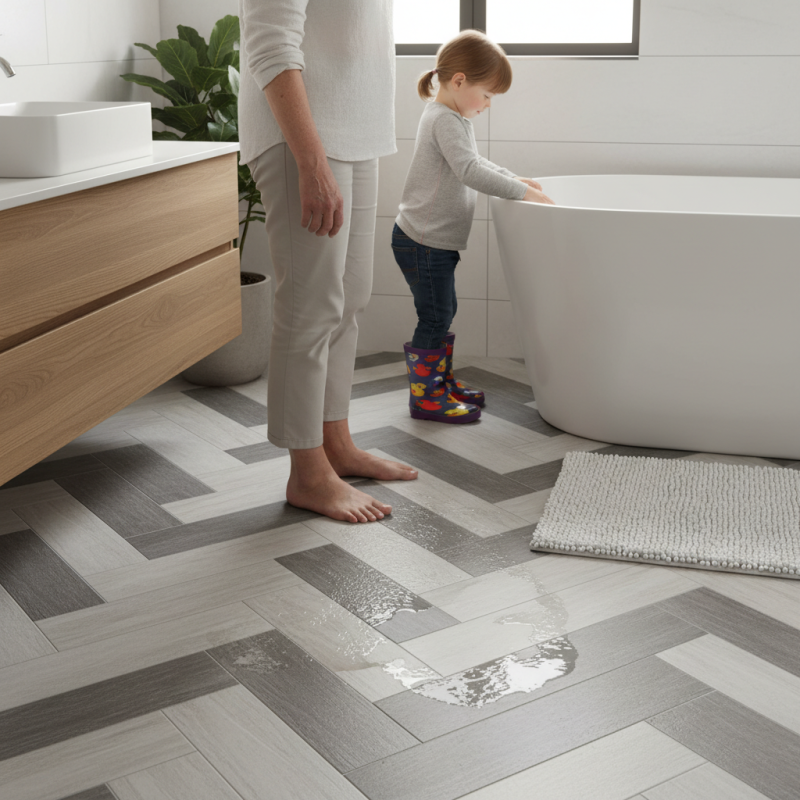
Benefits of Slip Resistant Tiles in Reducing Bathroom Accidents
Bathrooms are notorious for slip and fall accidents. These accidents can lead to serious injuries, especially among the elderly. According to the National Safety Council, over 200,000 injuries occur annually in bathrooms due to falls. This alarming statistic highlights the importance of slip-resistant tiles in reducing these mishaps.
Slip-resistant tiles are designed with textured surfaces, which provide better traction. Studies show that areas with such tiles can decrease slip-related accidents by up to 80%. This dramatic reduction makes them an essential choice for any bathroom renovation. Additionally, materials like porcelain and ceramic can enhance durability while maintaining their non-slip properties.
Tips: When choosing slip-resistant tiles, seek products with a coefficient of friction rating above 0.60. Avoid glossy finishes, as they can be slippery when wet. Regular maintenance is key; dirty tiles can lose their grip, making accidents more likely. Always consider your household's needs when selecting tile styles and textures.
Why Should You Choose Slip Resistant Tiles for Bathrooms?
Industry Statistics on Bathroom Slip-and-Fall Incidents and Legal Implications
Bathroom safety is a serious concern, with slip-and-fall incidents occurring more frequently than many realize. According to the National Floor Safety Institute, approximately 20,000 deaths occur each year due to falls. Additionally, slip-and-fall accidents account for about 85% of non-fatal injuries. A significant number of these incidents happen in bathrooms where water is present, making slip-resistant tiles even more crucial.
To further understand the legal implications, the Centers for Disease Control and Prevention reported that medical costs related to fall injuries totaled more than $50 billion annually. When a business neglects to maintain safe flooring, legal action becomes a possibility. Property owners must be aware that failing to implement safety measures can lead to legal repercussions and increased liability insurance costs.
Tips: Choosing slip-resistant tiles can drastically reduce the likelihood of these incidents. Look for tiles rated for slip resistance, especially in a bathroom environment. Ensure proper installation and maintenance to prevent wear over time. Regularly check for slippery spots or loose tiles—small details that can lead to major problems if overlooked. Unforeseen accidents can happen quickly, and preparedness is key.
Material Options: Comparing Slip Resistance Ratings of Various Tile Types
When it comes to choosing slip-resistant tiles for bathrooms, material options play a critical role. Different tile types offer varying levels of slip resistance, which can impact safety significantly. For instance, ceramic tiles generally have a glazed surface that can be slippery when wet. However, unglazed porcelain tiles often provide better traction, making them a safer choice for moist environments.
Natural stone tiles, like slate or textured granite, are popular for their unique looks. They can be quite slip-resistant due to their natural textures. Yet, these materials often require proper sealing to maintain their slip-resistant properties. Despite their beauty, not all natural stones are created equal in terms of safety. Some polished stones can become dangerously slick when wet.
Vinyl tiles are also a viable option and come in various designs. They often feature added slip-resistant coatings, making them safer for bathroom use. Although they can mimic natural textures, some vinyl options may lack durability. Always consider the specific slip resistance rating when selecting tiles. Each choice comes with pros and cons that need careful evaluation. Regular maintenance and awareness of wear over time can impact performance.
Maintenance and Longevity of Slip Resistant Tiles for Bathroom Environments
When it comes to bathroom environments, maintenance and longevity are critical.
Slip resistant tiles are an excellent choice for these spaces. According to the National Floor Safety Institute, approximately 200,000 Americans visit emergency rooms due to slip and fall injuries each year. Choosing the right flooring can significantly reduce this number, making bathrooms safer.
Slip resistant tiles not only enhance safety but also offer durability. Studies indicate that these tiles can last for decades with proper care. A report from the Tile Council of North America states that high-quality slip resistant tiles can endure heavy foot traffic without showing significant wear. Regular cleaning enhances their lifespan, with simple practices like mopping with mild cleaners proving effective.
However, not all slip resistant tiles are created equal. Some may require more frequent maintenance to retain their non-slip properties. It's essential to choose tiles with an appropriate PEI rating for your bathroom's usage. Over time, textured surfaces might accumulate grime, affecting their effectiveness. Reflecting on these aspects helps homeowners make informed choices.
Design Considerations: Aesthetic Appeal without Compromising Safety in Bathrooms
When choosing tiles for bathrooms, slip resistance plays a vital role in maintaining safety. Aesthetically, many assume that safety must compromise design. However, there's a blend of both that elevates bathroom spaces. A report from the National Association of Home Builders (NAHB) indicates that 81% of homeowners prioritize safety features, showing a clear market demand for attractive yet functional designs.
Many slip-resistant tiles come in various textures and colors. These options ensure a stylish finish without sacrificing safety. For instance, textured tiles can reduce the risk of slips significantly, according to studies by the Tile Council of North America, which suggest that materials with a coefficient of friction (COF) above 0.5 are ideal. This means that functionality and visual appeal can coexist if homeowners choose wisely.
However, not all slip-resistant tiles are equal. Some may appear appealing but fail to meet safety standards, which can create a false sense of security. It's crucial to consider how well a tile will provide grip under wet conditions. Balancing beauty and safety is essential. In the end, assessing both design and functionality can lead to an inviting and secure bathroom environment.
Why Should You Choose Slip Resistant Tiles for Bathrooms?
| Tile Material |
Slip Resistance Rating (R Rating) |
Water Absorption (%) |
Price Range (per sq. ft.) |
Aesthetic Options |
| Porcelain |
R10 |
0.5 - 3.0 |
$3 - $6 |
Matte, Glossy, Textured |
| Ceramic |
R9 |
3.0 - 7.0 |
$2 - $5 |
Patterned, Colored, Glossy |
| Stone |
R11 |
0.1 - 3.5 |
$5 - $15 |
Natural Finish, Polished |
| Vinyl |
R9 |
> 1.0 |
$1 - $4 |
Various Prints, Textures |
| Glass |
R10 |
0.0 - 1.0 |
$8 - $20 |
Translucent, Colorful |
FAQS
: They reduce slip and fall accidents, especially among the elderly.
Studies show they can reduce accidents by up to 80%.
Porcelain and ceramic are popular due to their durability and non-slip properties.
Seek tiles with a rating above 0.60 for better traction.
Glossy surfaces can become slippery when wet, increasing fall risks.
Dirty tiles can lose grip, making accidents more likely.
Neglect can lead to legal issues and increased liability costs for property owners.
Regular checks help identify minor issues before they lead to accidents.
They could face lawsuits and higher insurance premiums.
Yes, accidents can happen quickly, highlighting the need for constant vigilance.
Conclusion
Choosing slip resistant tiles for bathrooms is crucial for enhancing safety and preventing accidents. These tiles significantly reduce the risk of slip-and-fall incidents, which are all too common in wet bathroom environments. Industry statistics highlight the prevalence of such accidents, underscoring the potential legal implications for homeowners and businesses. When selecting these tiles, it’s important to compare the slip resistance ratings of various materials, ensuring that they meet safety standards while still complementing the bathroom's aesthetic.
Moreover, maintenance and longevity are essential factors to consider, as slip resistant tiles must withstand moisture and heavy foot traffic. Homeowners can enjoy both functionality and visual appeal by finding tiles that combine safety with stylish design. In summary, understanding how to choose slip resistant tiles for bathrooms involves evaluating their safety features, material options, and maintenance needs, ensuring a safe and beautiful space.

 Prairie Floor