When considering "What is the best flooring for radiant heating systems," it is crucial to examine expert opinions. One authority in the field, Sarah Johnson, a renowned interior designer, states, "The right flooring can significantly enhance the efficiency of radiant heating." Her insights reflect the importance of pairing the correct materials with heating systems.
In 2026, several flooring options stand out for their compatibility with radiant heating. Tile, for example, is praised for its excellent heat conductivity. It can warm up quickly and retain heat, making rooms comfortable. However, not all tiles are created equal. Some may crack easily, raising concerns about durability. Engineered wood is another option. It expands and contracts less than solid wood, which can be beneficial. Yet, it may require careful selection to avoid thermal stress.
Carpet is often overlooked, but certain types work well too. They provide warmth underfoot and comfort. However, their insulating properties can hinder heat conduction. Each option has pros and cons, making the decision complex. Understanding the materials' interaction with heat is essential. As we explore these flooring choices, it's vital to consider both functionality and aesthetics, ensuring every space is both stylish and well-heated.
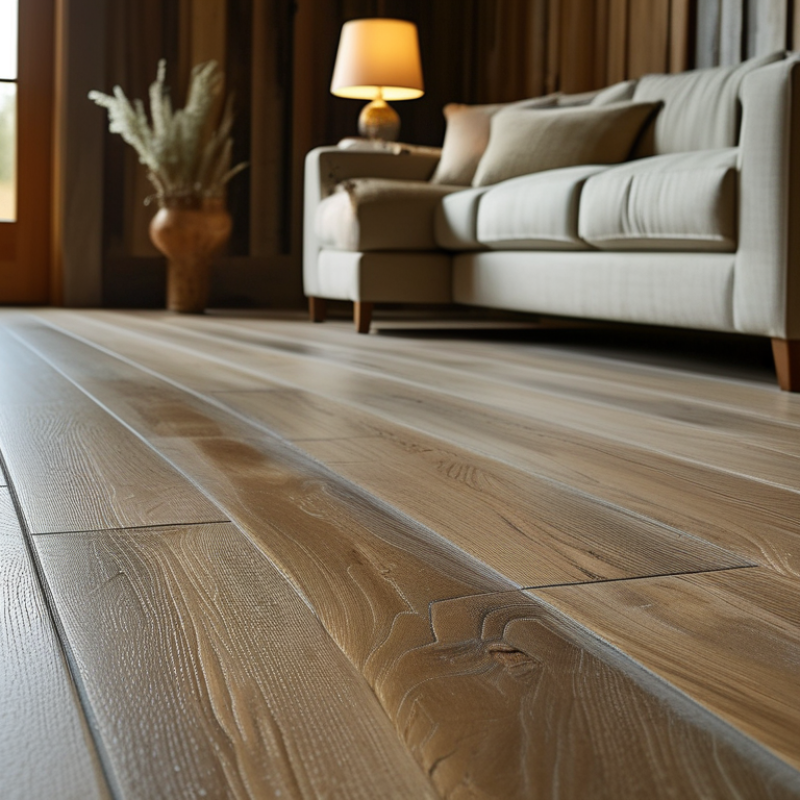
Best Flooring Materials for Radiant Heating Systems in 2026
When choosing flooring for radiant heating systems, durability and thermal conductivity are crucial. Tile and natural stone are excellent options. They transfer heat efficiently and can withstand high temperatures. Their hard surfaces can feel cold initially, but they quickly warm up and create a cozy environment. A drawback is that they can be slippery, which requires careful consideration in homes with children or elderly residents.
Engineered wood can be a viable alternative. It manages temperature fluctuations well and offers a warm, inviting aesthetic. However, not all species perform equally. It's important to choose options rated for use with radiant heating. Some may warp or crack over time, which can be a concern for long-term reliability.
Luxury vinyl tile (LVT) also deserves attention. It’s versatile and can mimic the look of wood or stone while being waterproof. Though it’s generally compatible with radiant heating, its insulating properties can lessen efficiency. Regular maintenance is key to ensure longevity. The right choice balances warmth, comfort, and practicality for your home.
Best Flooring Options for Radiant Heating Systems in 2026
| Flooring Type |
Thermal Conductivity (W/m·K) |
Comfort Level |
Durability Rating |
Cost per Square Foot ($) |
| Engineered Hardwood |
0.13 |
High |
8/10 |
$5 - $10 |
| Porcelain Tile |
1.2 |
Medium |
9/10 |
$3 - $7 |
| Vinyl Plank |
0.18 |
High |
7/10 |
$2 - $5 |
| Cork Flooring |
0.09 |
Very High |
6/10 |
$4 - $8 |
| Carpet Tiles |
0.05 |
Medium |
5/10 |
$1 - $3 |
Advantages of Different Flooring Types for Radiant Heating
Choosing the right flooring for radiant heating systems is essential. Different materials can significantly impact the performance and efficiency of heating.
Tile and stone are popular for their excellent heat transfer capabilities. They warm up quickly and maintain heat longer, making spaces cozy and inviting.
On the other hand, hardwood offers a warm aesthetic and can work well, but its heat conduction is less efficient. It might take longer to warm up than tile or stone.
Bamboo is a unique option, combining sustainability with good thermal efficiency. However, its durability under constant heat may require careful consideration.
Carpeting could be a tempting choice for comfort, but it often insulates against heat. This can lead to inefficiency in heating. Choosing the right underlayment becomes crucial in such cases.
The flooring type you select will influence how well your radiant heating system performs, making research and planning vital to your decision.
Considerations for Choosing Flooring with Radiant Heat
When selecting flooring for radiant heating systems, several factors warrant careful consideration. The thermal conductivity of the material is crucial. Certain types of flooring can retain heat better than others. For instance, tile and stone are excellent options. They conduct heat effectively and offer a cool surface that feels warm underfoot when heated.
However, not all materials are compatible with radiant heat. Carpeting may insulate against warmth, making it less efficient for use with these systems. Vinyl and laminate can work, but their performance varies. Look for products explicitly designed for radiant heating. Proper installation is essential to maximize efficiency. Air gaps can reduce the system's effectiveness. Each space has unique requirements and limitations.
Consider maintenance and durability, too. Natural wood can expand and contract with heat. Long-term exposure might lead to warping. In contrast, engineered wood is often more stable. Assessing aesthetics is important but should not overshadow practical criteria. Your flooring choice should balance efficiency, comfort, and design appeal.
Comparative Analysis of Top Flooring Options for 2026
When considering flooring options for radiant heating systems in 2026, several key materials stand out. According to industry reports, tile and stone remain top contenders. They have excellent thermal conductivity, allowing for efficient heat transfer. For instance, ceramic tiles can achieve an average thermal conductivity of 0.5 to 2.0 W/mK, making them ideal for this purpose.
Wood is another popular choice, but it must be carefully selected. Engineered hardwood performs better than solid wood when it comes to heat resistance. Reports suggest that it can handle temperature fluctuations better. The right finish can also enhance heat efficiency. However, not all wood types are suitable for radiant heating.
Tips: Ensure your flooring type supports the system capacity. Measure the heat output requirements accurately. Regular maintenance can prolong the lifespan of your floors, ensuring consistent heat distribution.
Carpet may seem cozy, but it poses challenges with radiant heating. Some carpets act as insulators, effectively reducing heat transfer. For carpets, low pile options with thermal conductivity just under 0.05 W/mK are preferable. However, they can still lead to uneven heating if not paired with suitable padding. Always evaluate your specific heating needs before making a final choice.
Installation and Maintenance Tips for Radiant Heating Floors
When considering radiant heating systems, installation and maintenance are critical. According to recent industry reports, a well-installed radiant floor can increase efficiency by 20% compared to traditional heating methods. Proper insulation is essential. Without it, heat loss can rise dramatically, impacting your energy costs.
Maintaining a radiant heating system involves regular checks. It’s advisable to inspect tubing and connections annually to prevent leaks. According to the National Association of Home Builders, about 15% of radiant system complaints stem from poor maintenance. Regular maintenance can prevent efficiency drops and costly repairs.
Humidity control is another vital factor. Wooden flooring, commonly preferred for its aesthetic appeal, can warp if humidity fluctuates too much. Air quality matters too; installing dehumidifiers may help. Understanding these nuances can greatly enhance your heating experience.
Best Flooring Options for Radiant Heating Systems in 2026
This chart illustrates the suitability ratings of various flooring options for radiant heating systems in 2026. The ratings are based on considerations such as heat retention, comfort, and compatibility with heating systems.
FAQS
: Tile and natural stone are excellent. They transfer heat well and resist high temperatures.
Yes, they can be slippery, so caution is needed in homes with children or the elderly.
It can handle temperature changes well, but not all types are suitable. Some may warp.
Yes, it mimics wood or stone and is waterproof. However, its insulating properties may reduce efficiency.
Bamboo is sustainable with good thermal efficiency, but its durability under heat should be assessed.
Carpeting might be comfortable but can insulate against heat and reduce efficiency.
A good underlayment can improve heat transfer in carpeted areas, making it an important consideration.
Durability, thermal conductivity, and maintenance requirements all influence the efficiency of your heating system.
An unsuitable choice can result in inefficient heating and discomfort in the living space.
Regular maintenance is crucial for longevity and performance, especially with luxury vinyl and hardwoods.
Conclusion
When considering "What is the best flooring for radiant heating systems," several factors come into play that can significantly impact performance and comfort. The article outlines the best flooring materials suited for radiant heating, including options like tile, wood, and laminate, highlighting their unique advantages. Each flooring type has distinct benefits such as heat conductivity, aesthetic appeal, and durability, making them more or less suitable for different environments.
Additionally, readers are guided through essential considerations when selecting flooring for radiant heating, including thermal properties and material compatibility. A comparative analysis of the top flooring options for 2026 provides insights into their effectiveness and practicality. Finally, the article concludes with valuable installation and maintenance tips to ensure optimal performance of radiant heating floors, allowing homeowners to achieve a warm and inviting living space.

 Prairie Floor