Why Use Anti Fatigue Mats in Industrial Workspaces?

Time:2026-09-13 Author:Henry
0%

Why use anti-fatigue mats in industrial workspaces? The question begins with the worker, not the product. On a concrete assembly floor, an operator may stand beside a conveyor for eight hours, shifting weight while reaching, turning, and inspecting parts. Hard surfaces can increase pressure beneath the heels and forefoot. Fatigue may appear quietly, through slower movements, aching calves, or reduced attention near the end of a shift.

The National Institute for Occupational Safety and Health (NIOSH) identifies prolonged standing as a contributor to discomfort, lower-limb fatigue, and musculoskeletal strain. OSHA’s ergonomic guidance also recommends reducing standing stress through job rotation, supportive footwear, adjustable workstations, and resilient flooring. An anti-fatigue mat may help by cushioning impact and encouraging small postural movements. It is not a complete solution. Dr. Karen Jacobs, an occupational therapist and ergonomics researcher, describes the principle clearly: “Ergonomics is fitting the task to the worker.”

That principle matters.

A suitable mat should resist oil, remain stable, drain moisture, and match the task’s movement demands. Its edges must lie flat. A soft surface can become unsafe if it curls, slides, or blocks a cart. Research findings are useful, but not flawless; comfort improvements do not automatically prove fewer injuries. Supervisors should combine worker feedback with housekeeping checks, absence records, and discomfort surveys. The strongest answer to Why use anti-fatigue mats in industrial workspaces is therefore practical: they can support safer standing, but only within a broader, measured ergonomic program.
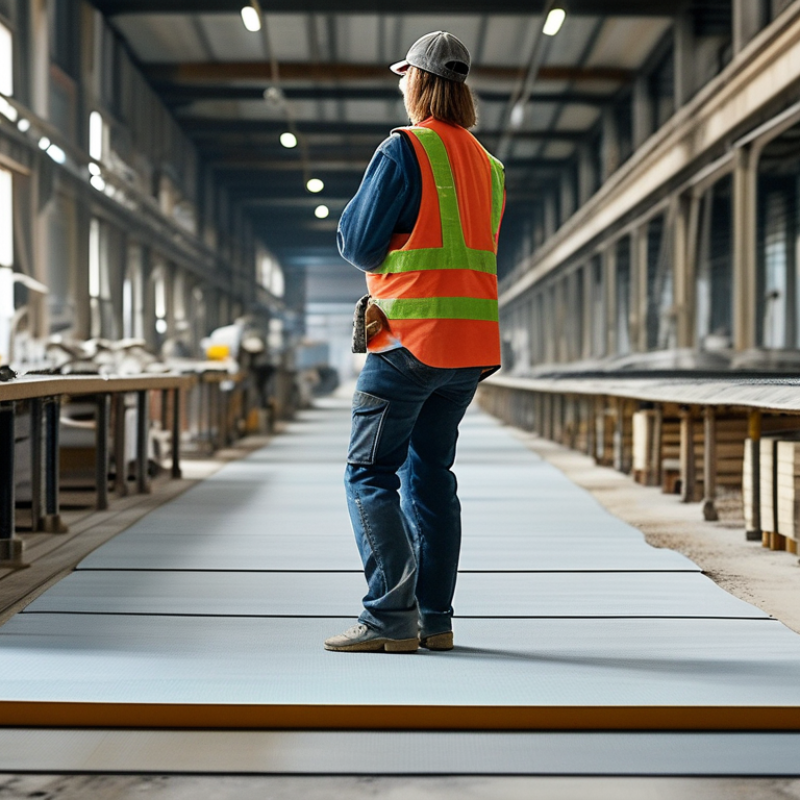
Why Use Anti Fatigue Mats in Industrial Workspaces?

What Are Anti-Fatigue Mats in Industrial Workspaces?

Anti-fatigue mats are resilient floor surfaces designed for workstations where employees stand for long periods. They usually contain rubber, foam, or layered polymers. Their slightly cushioned structure reduces hard-floor impact and encourages small foot movements. That matters near assembly benches, packing lines, inspection tables, and machine controls.

The U.S. Bureau of Labor Statistics reported 946,290 cases involving days away from work for sprains, strains, and tears in 2023. Not every case results from standing, but the figure shows why ergonomic controls deserve attention. OSHA identifies prolonged standing as a factor linked with discomfort and fatigue. The Canadian Centre for Occupational Health and Safety also notes that resilient flooring and anti-fatigue mats may reduce standing discomfort. May is important here. A mat is not medical treatment. It cannot correct poor footwear, awkward reach distances, vibration, or excessive workload.

A useful mat has beveled edges, stable backing, suitable drainage, and enough thickness for the task. Soft is not always better. Excessive cushioning can make turning difficult and increase trip risk. Wet areas require surfaces that resist slipping and remain easy to clean. A practical review should check mat condition, worker feedback, and incident records after installation. The result may be modest. That is still useful. Ergonomics works best as a combined system, not a single floor product.

How Prolonged Standing Causes Workplace Fatigue

Why Use Anti Fatigue Mats in Industrial Workspaces?

How Prolonged Standing Causes Workplace Fatigue

Standing on a hard floor for hours is not passive work. The feet absorb constant pressure, while the calves remain slightly contracted. Blood can pool around the lower legs. That may create aching feet, swollen ankles, and a heavy feeling by the end of a shift. Workers often notice the discomfort before they recognize the fatigue.

In a production area, small movements rarely provide enough recovery. A worker may reach, turn, lift, and return to the same spot hundreds of times. Concrete and thin flooring transmit impact through the shoes and joints. Fatigue can affect posture, balance, and attention. A tired worker may lean on a machine or lock the knees without noticing. Risk can increase quietly.

An anti fatigue mat adds controlled cushioning beneath the feet. Its surface can encourage subtle movement instead of rigid standing. It may also reduce contact stress at common work positions. The mat must fit the station, stay flat, and resist oils or moisture where applicable. It cannot correct poor footwear, excessive shift length, or an awkward workstation. That limitation matters. Better results usually come from combining supportive flooring with movement breaks, task rotation, and adjustable work heights. Some mats feel comfortable at first but become tiring if too soft. Worker feedback still matters.

Why Use Anti-Fatigue Mats in Industrial Workspaces?

How prolonged standing contributes to workplace fatigue

Prolonged standing can increase discomfort in the feet, legs and lower back because muscles remain continuously loaded and the lower limbs have less opportunity to recover. The chart presents an evidence-informed 0–10 discomfort scale across a typical standing shift; anti-fatigue mats are intended to reduce localized pressure and encourage small postural adjustments, not to replace scheduled movement and rest breaks.

Source context: occupational ergonomics research on prolonged standing, lower-limb discomfort and resilient flooring interventions. Scores are presented as a normalized comparison scale rather than company-specific measurements.

How Anti-Fatigue Mats Support Comfort and Worker Safety

Why Use Anti Fatigue Mats in Industrial Workspaces?

How Anti-Fatigue Mats Support Comfort and Worker Safety

In industrial workspaces, workers may stand for hours beside machines, benches, or packing stations. A hard concrete floor sends pressure into the feet, knees, and lower back. Anti-fatigue mats provide a slightly flexible surface under each step. This cushioning can reduce discomfort and help workers maintain a steadier posture. That small change matters during long shifts.

Comfort also supports safer work habits. When feet hurt, workers may lean, shift suddenly, or lift with poor body alignment. A worker who moves less carefully can lose balance near tools or equipment. Textured mat surfaces may improve traction around dry work areas. Some mats also reduce cold transfer from concrete floors. The difference can be noticeable by the final hour.

However, a mat is not a complete safety solution. Mats are not perfect. I have seen edges curl when mats were poorly placed or neglected. Dust, oil, and moisture can also make surfaces hazardous. Supervisors should inspect mats regularly and replace damaged sections promptly. Workers should keep nearby areas clear and report movement or wear. The right mat depends on floor conditions, task duration, footwear, and cleaning routines. A comfortable surface still requires thoughtful daily checks.

What Features to Consider When Choosing an Industrial Mat

Why Use Anti-Fatigue Mats in Industrial Workspaces?

Choosing an industrial mat requires more than checking its price or thickness. Prolonged standing on concrete can increase foot, leg, and lower-back discomfort. The European Agency for Safety and Health at Work reports that musculoskeletal disorders affect about 60% of workers in Europe. OSHA also identifies prolonged standing and hard surfaces as important ergonomic concerns.

Start with the work task. A mat for a dry assembly station needs different features from one used near oils or metal shavings. Select resilient foam or rubber with enough density to support the body without feeling rigid. A very soft surface may increase instability. Not always better.

Look for beveled edges that reduce trip risks and textured surfaces that improve traction. Slip resistance matters most where water, coolant, or dust may collect. The National Floor Safety Institute links workplace slips and falls to floor conditions, so drainage and routine cleaning deserve practical attention. For welding or heat-producing tasks, verify documented heat resistance. For chemical exposure, check compatibility data rather than guessing.

Size also affects performance. The mat should cover the worker’s main standing zone, including frequent pivoting areas. Modular sections can simplify replacement, but seams may collect debris. Inspect them weekly. In real facilities, damaged corners are often ignored until someone trips. That weakens an otherwise sound ergonomic plan. Ask for compression, slip-resistance, and fire-performance test results from recognized laboratories before installation.

How to Install, Maintain, and Replace Anti-Fatigue Mats

Anti-fatigue mats work best when installed for the actual task, not simply placed under a worker’s feet. Measure the standing area, including steps and turning points, before ordering mats. The floor must be clean, dry, level, and free from oil. A loose mat can create a greater hazard than a hard floor. Place beveled edges toward walkways, and connect adjoining sections tightly. Do not cover damaged flooring or block emergency routes. Follow the manufacturer’s installation instructions and your workplace safety procedures.

Keep the surface clear of metal scraps, packaging, and liquid spills. Inspect the mat at the start of each shift, especially around corners and seams. Vacuum or sweep it regularly, then use a damp cloth with mild detergent. Avoid harsh solvents, excessive water, and stiff brushes. They may weaken the surface or leave it slippery. Let the mat dry completely before workers return.

Replace a mat when it curls, cracks, slides, or stays compressed after pressure is removed. A strong odor, torn edge, or visible separation also deserves attention. Do not hide serious damage with tape. One common mistake is waiting until someone trips. Another is choosing a thicker mat without checking cart access or door clearance. Review comfort, stability, and cleaning results after installation. The right mat should support movement without becoming part of the problem.

FAQS

How do anti-fatigue mats improve comfort during long industrial shifts?

They provide a slightly flexible surface beneath the feet. This can reduce pressure on feet, knees, and the lower back. The final hour may feel less punishing.

Can an anti-fatigue mat make a work area safer?

It may support steadier posture and more careful movement. Pain can cause sudden shifting or poor lifting alignment. A mat helps, but it cannot replace safe procedures.

Which mat features matter for dry assembly stations?

Choose resilient foam or rubber with supportive density. Textured surfaces can improve traction. Avoid extremely soft mats because they may increase instability. Softer is not always better.

What should workers consider around oil, water, or dust?

Select a surface with suitable slip resistance and cleaning needs. Check chemical compatibility instead of guessing. Remove spills quickly, especially near machines and walkways.

How large should an industrial mat be?

It should cover the main standing zone, including frequent steps and turning points. Measure the area before ordering. A small mat may leave pivoting feet on concrete.

How should anti-fatigue mats be installed?

Place them on a clean, dry, level floor free from oil. Keep adjoining sections tight and position beveled edges toward walkways. Never block emergency routes.

How can workers maintain an anti-fatigue mat?

Inspect corners and seams at the start of each shift. Remove metal scraps, packaging, and liquid spills. Sweep regularly, then use mild detergent and a damp cloth. Let the surface dry completely.

When should an anti-fatigue mat be replaced?

Replace it when it curls, cracks, slides, or remains compressed. Torn edges, strong odors, and separated seams also need attention. Tape is not a real repair.

Are thicker anti-fatigue mats always more effective?

No. Thickness can affect stability, cart movement, and door clearance. Review comfort, balance, and cleaning results after installation. I would not choose thickness alone.

Conclusion

Why use anti-fatigue mats in industrial workspaces? These specially designed floor coverings help reduce the physical strain caused by prolonged standing on hard surfaces. By providing cushioning and encouraging subtle foot and leg movement, they can improve comfort, support better posture, and help reduce fatigue during long shifts. A more comfortable work area may also help employees stay focused and move safely while performing repetitive or stationary tasks.

When selecting an industrial anti-fatigue mat, consider its thickness, surface texture, slip resistance, drainage needs, edge design, and resistance to workplace conditions such as oils, moisture, or heavy traffic. Proper installation is equally important: the mat should lie flat, fit the work area, and have secure edges to reduce tripping risks. Regular cleaning and inspections can preserve its performance, while damaged, compressed, or worn mats should be replaced promptly. Together, suitable materials, proper maintenance, and timely replacement help create a safer and more supportive industrial workspace.

Henry

Henry

Henry is a dedicated marketing professional with a profound expertise in the company's offerings. With years of experience in the industry, he possesses an impressive understanding of the market dynamics and consumer behaviors that drive success. Henry is committed to sharing his insights through......