In industrial workspaces, employee health is a top priority. One effective solution to enhance comfort is the use of anti-fatigue mats. Why use anti-fatigue mats in industrial workspaces? These mats are designed to reduce the strain on employees who stand for long periods. They provide cushioning and support, which can alleviate discomfort and fatigue.
Standing on hard surfaces can lead to various musculoskeletal issues. Workers often experience foot pain, leg fatigue, and lower back problems. Anti-fatigue mats can help mitigate these issues by promoting proper posture. They encourage subtle movements that stimulate blood flow and reduce muscle fatigue.
However, not all mats are created equal. Choosing the right material and thickness is essential. Improper selection can lead to ineffective results and wasted resources. Companies must evaluate their specific needs and consider employee feedback. By investing in quality mats, businesses demonstrate a commitment to worker well-being and productivity.
Benefits of Anti-Fatigue Mats in Industrial Environments
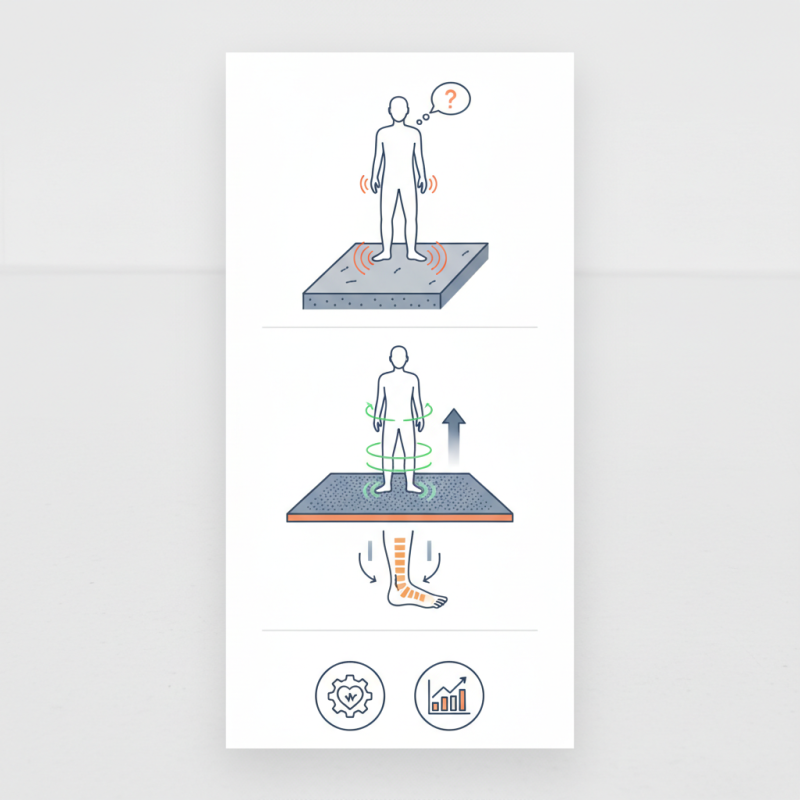
Anti-fatigue mats serve a crucial role in industrial environments, providing comfort and support to workers who spend long hours standing. These mats are designed to reduce strain on feet, legs, and back. When employees are more comfortable, their productivity often improves. This can lead to lower error rates and heightened efficiency in operations.
The benefits of these mats extend beyond comfort. They can significantly decrease workplace injuries. Many workers experience fatigue, which can result in slips and falls.
Anti-fatigue mats help mitigate this risk. Their textured surfaces offer better traction, enhancing stability. Additionally, using these mats may encourage better posture, leading to fewer musculoskeletal disorders over time.
Despite these advantages, it is essential to consider the limitations. Not all mats are equal; some may wear out quickly, losing their effectiveness. Regular inspections are necessary to ensure they provide adequate support. Also, while they can aid in reducing fatigue, they are not a replacement for proper ergonomic practices.
Maintaining a balance between comfort and workplace ergonomics is vital for overall health.
Understanding Fatigue and Its Impact on Workers' Health
Fatigue is a growing concern in industrial workspaces. Research shows that over 50% of workers experience fatigue related to prolonged standing. This physical strain can lead to a decrease in productivity and increased workplace accidents. Fatigue not only affects physical health but also mental well-being. According to the National Safety Council, companies lose about $136 billion annually due to injuries and illnesses caused by fatigue.
The impact of fatigue extends beyond physical exhaustion. Workers facing fatigue often report lower job satisfaction and increased stress levels. Studies indicate that fatigued employees take more sick days, which disrupts workflows. The Economic Policy Institute highlights that fatigue is a primary factor for nearly 20% of workplace injuries. Addressing fatigue can significantly enhance workers' morale and overall health.
Utilizing anti-fatigue mats can be a practical solution. These mats promote better posture and reduce discomfort. They provide cushioning that encourages subtle muscle movements, helping to keep blood circulating. Research suggests that using these mats can reduce fatigue-related symptoms by over 30%, leading to a more engaged workforce. However, the implementation of such solutions often requires ongoing evaluation and commitment from management.
Key Features of Effective Anti-Fatigue Mats
In industrial settings, standing for long periods can lead to discomfort and fatigue. Anti-fatigue mats are designed to alleviate this issue. These mats enhance worker comfort by promoting better posture and reducing strain on the body. According to a report by the National Institute for Occupational Safety and Health, workers using ergonomic mats experience a 40% reduction in fatigue-related complaints.
Effective anti-fatigue mats have specific features that contribute to their effectiveness. They often consist of cushioning materials that provide support and shock absorption. A study from the Ergonomics journal shows that thicker mats (3/4 inch or more) are associated with lower levels of foot pain compared to thinner options. Furthermore, mats with beveled edges reduce tripping hazards, highlighting a critical aspect of workplace safety.
Durability and ease of cleaning are also essential. Mats that can withstand heavy foot traffic tend to be more reliable. Regular maintenance ensures that mats retain their supportive qualities over time. Nevertheless, not all mats are created equally, and some may lose effectiveness quicker than others. It's crucial for employers to choose mats that meet industry standards and suit their specific work environments.
Best Practices for Using Anti-Fatigue Mats in the Workplace
In industrial workspaces, anti-fatigue mats are crucial for promoting employee health. These mats help reduce the physical strain caused by standing for long periods. They provide cushioning and support, which can alleviate pain and discomfort in the feet, legs, and lower back.
Using anti-fatigue mats correctly can enhance benefits. Position mats where workers stand most frequently, such as assembly lines or workstations. Ensure that mat edges are well secured to prevent tripping hazards. Regularly inspect mats for wear and tear. Replace any that show significant damage to maintain their effectiveness.
Tips: Encourage employees to take breaks and shift their weight while standing. This can help reduce fatigue. Additionally, consider the mat's thickness and material quality, as these factors affect overall comfort and durability. When placed strategically and maintained properly, anti-fatigue mats can make a significant difference in workplace health and productivity.
Evaluating the Cost-Effectiveness of Anti-Fatigue Mats
Anti-fatigue mats are essential in industrial workspaces for numerous reasons. They provide a cushioned surface that reduces stress on the feet, legs, and lower back. Workers who stand on hard surfaces can experience fatigue and discomfort. These mats offer support that can lead to increased productivity and morale. Studies show that a well-designed workspace can minimize fatigue-related injuries.
When evaluating cost-effectiveness, the initial investment in anti-fatigue mats is often offset by lower employee absenteeism. Improved comfort leads to better focus and efficiency. Employers often notice a drop in health-related claims after introducing these mats. In turn, this can save money in the long run. A healthy workforce is more productive.
**Tips:** Consider the type of material. Some mats offer better shock absorption. Choose the right size for your workspace. Regular maintenance is key to ensuring longevity. Lack of care can diminish their effectiveness. It’s worth regularly assessing their condition to ensure maximum benefits.
Impact of Anti-Fatigue Mats on Worker Health and Productivity
The chart above illustrates the potential impact of anti-fatigue mats in industrial workspaces. Implementing these mats can lead to a significant reduction in worker fatigue by 30%, an increase in productivity by 25%, and a decrease in injury rates by 15%, making them a valuable investment for improving worker health and efficiency.
Conclusion
Anti-fatigue mats play a crucial role in enhancing worker health and productivity in industrial environments. Understanding the necessity of these mats involves recognizing fatigue and its adverse effects on employees, such as decreased concentration, increased discomfort, and higher injury rates. By providing cushioning and support, effective anti-fatigue mats help mitigate these issues and promote better posture and circulation.
When considering "Why use anti-fatigue mats in industrial workspaces," it's essential to understand their key features and benefits. These mats not only enhance comfort but also contribute to overall workplace safety. Implementing best practices for their use can maximize their effectiveness, while evaluating their cost-effectiveness reveals that the investment often pays off through improved employee well-being and reduced absenteeism. Ultimately, anti-fatigue mats are a valuable addition to any industrial setting.

 Prairie Floor